
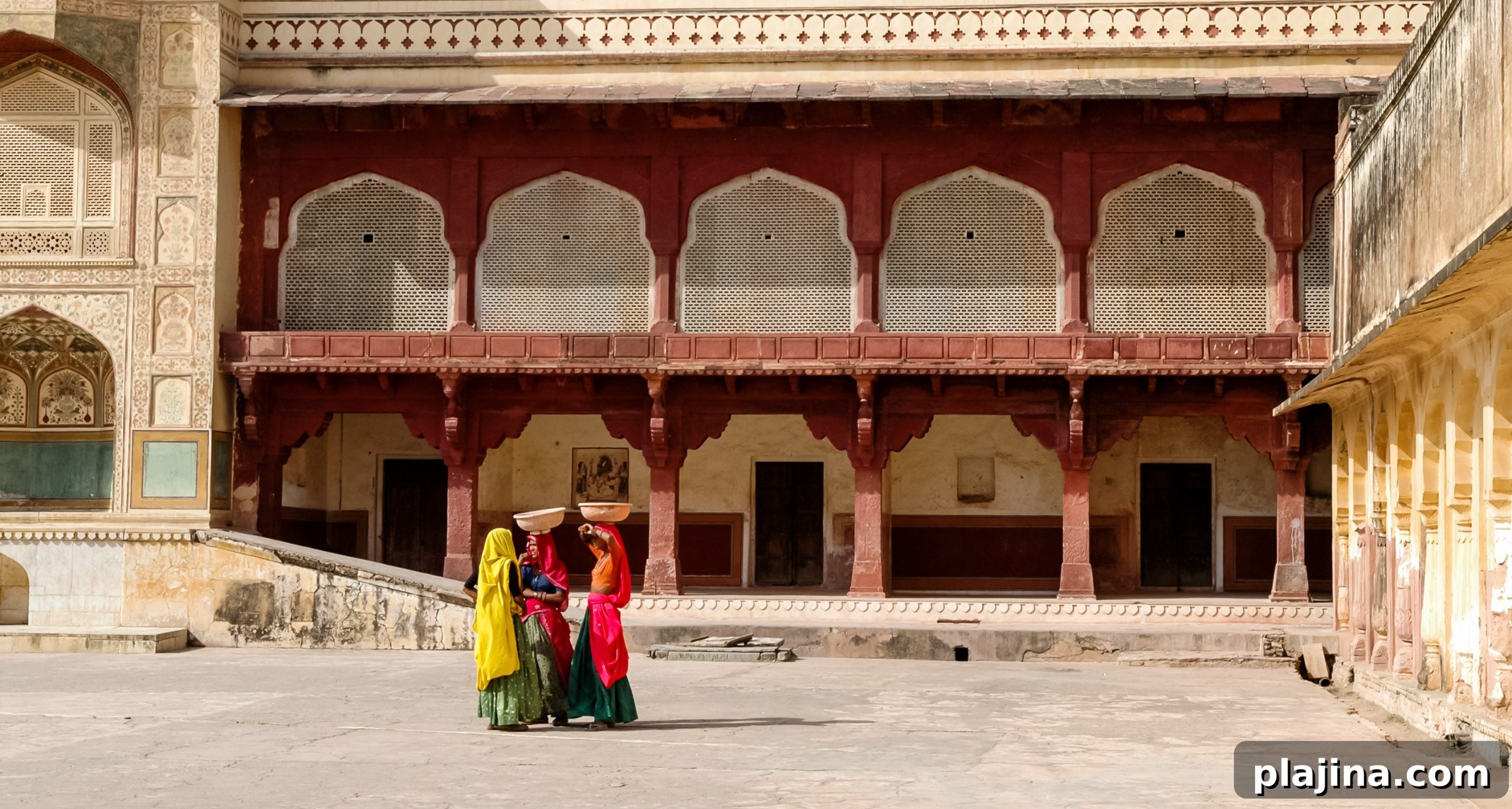
Rajasthan, known as the “Land of Great Kingdoms,” is India’s largest state, situated in the country’s northwest and largely covered by the Thar Desert. This region was once part of the Indus Valley Civilization—one of the world’s oldest urban cultures—and later hosted numerous powerful kingdoms and dynasties. The architectural and cultural legacy left behind by these civilizations is rich and varied, ranging from imposing forts and ornate palaces to intricately carved temples and bustling historic cities.
Visitors to Rajasthan can explore a wide array of historic sites that showcase the state’s diverse past. Majestic hilltop forts offer panoramic views and strategic architecture that reflect centuries of warfare and governance. Grand palaces reveal the opulence of royal courts with lavish interiors, mirror work, and frescoed walls. Ancient temples display exquisite stone carvings and devotional art, while stepwells and caravanserais tell stories of water management and trade across arid lands.
Many towns and cities preserve their historic cores, with narrow lanes, havelis (traditional mansions), and vibrant markets where crafts, textiles, and jewelry continue to be made by artisans following age-old techniques. Festivals, music, and dance in Rajasthan are deeply rooted in local traditions, adding living cultural layers to the state’s architectural heritage.
Rajasthan’s historic sites are not only architectural marvels but also repositories of social and artistic history—paintings, manuscripts, weaponry, and everyday objects found in museums and palaces offer insights into the lifestyles, beliefs, and technologies of past eras. Conservation efforts across the state aim to protect these monuments while making them accessible to travelers and scholars alike.
From the desert forts to the royal cities, Rajasthan presents an immersive journey through centuries of Indian history. Exploring its monuments and cultural centers allows visitors to appreciate the skill of past builders, the splendor of royal patronage, and the resilience of communities that have maintained their heritage through changing times.