
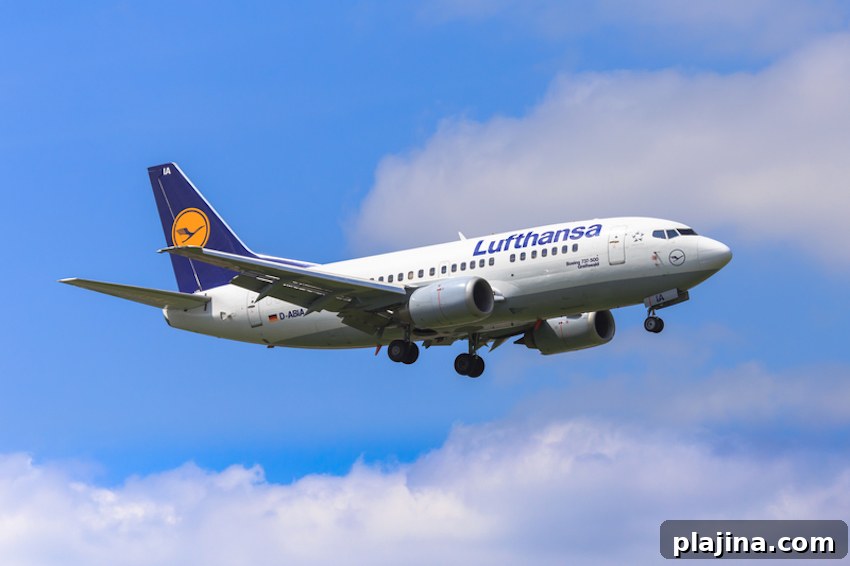
German carrier Lufthansa continues its strategy to strengthen its position in European air travel by pursuing acquisitions of smaller airlines facing financial uncertainty. By integrating struggling carriers, Lufthansa aims to broaden its route network, enhance connectivity across the continent, and reduce competition from low-cost, no-frills operators.
In April, Lufthansa submitted a bid for Alitalia, the troubled Italian airline that recently accepted a government loan to remain operational. With a repayment deadline looming in December and doubts about Alitalia’s ability to meet that obligation, the carrier has become an acquisition target. Italian authorities have signaled they want to retain significant influence in any deal, indicating a preference to hold a 51 percent stake if a sale to Lufthansa proceeds.
Lufthansa has also been linked to interest in Norwegian Airlines, a fast-growing budget carrier that expanded rapidly across Europe and into long-haul markets but has faced heavy indebtedness. Norwegian’s financial difficulties drew attention from multiple potential buyers, including IAG, which was among the first airline groups to publicly express interest in acquiring the airline. Any purchase of a budget operator like Norwegian would give Lufthansa access to an extensive low-cost network and airport slots, while reshaping competitive dynamics in key markets.
The wider consolidation trend reflects several pressures on European aviation: rising operational costs, intense price competition from low-cost carriers, and lingering demand uncertainty following global travel disruptions. Larger legacy carriers such as Lufthansa see consolidation as a route to stabilize capacity, capture market share, and achieve economies of scale in purchasing, maintenance, and route planning.
Regulatory considerations and political sensitivities are likely to shape outcomes. Governments sometimes intervene to protect national interests, jobs, and strategic air links, which can influence the structure and timing of any deal. Regulators will also scrutinize acquisitions for potential harm to competition, particularly on lucrative domestic and short-haul routes where low-cost carriers have a strong presence.
For customers, consolidation can bring both benefits and drawbacks. On the positive side, an expanded network under a major carrier can offer more seamless connections, coordinated schedules, and integrated frequent-flyer benefits. On the downside, reduced competition on some routes risks higher fares and fewer budget options, especially in markets where a budget airline served as a primary low-cost alternative.
As Lufthansa pursues possible acquisitions, the industry will watch how negotiations unfold, how governments respond, and how regulators evaluate the competitive implications. Any successful deals will likely reshape the European market, affecting airline strategies, route availability, and consumer choice across the region.