
Ecuador is home to several active and impressive volcanoes, offering rare opportunities to witness dramatic volcanic landscapes and explore diverse hiking routes. Below are some of the most active and notable volcanoes in Ecuador, each providing distinct outdoor experiences and striking Andean scenery:
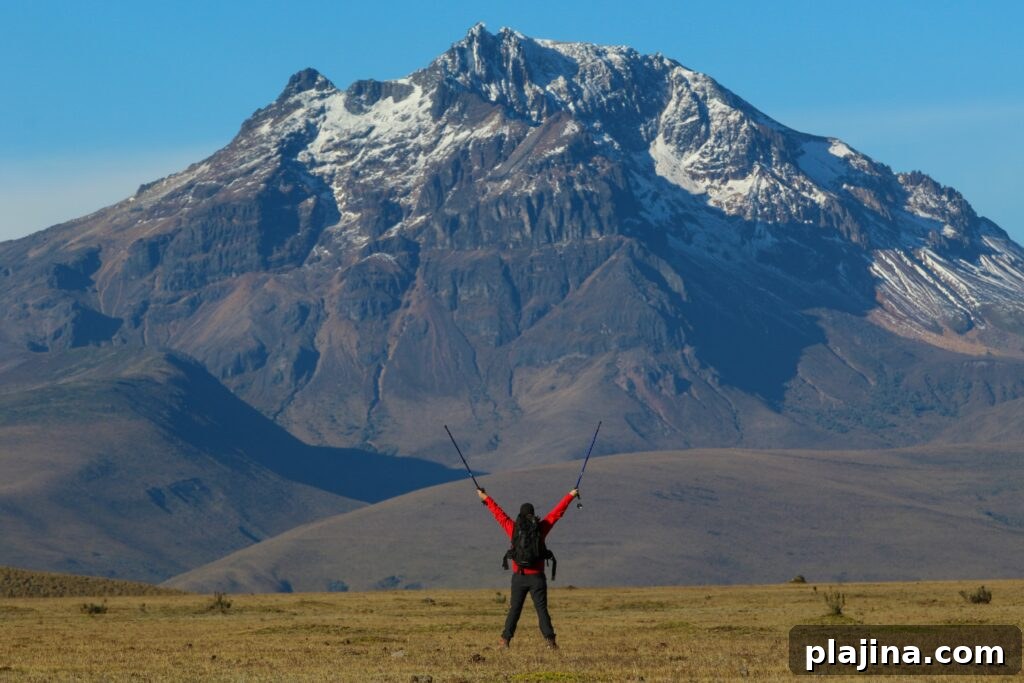
Cotopaxi © Ecuador Tourism Board
Cotopaxi
Cotopaxi is one of the highest active volcanoes in the world, rising to 19,347 feet within Cotopaxi National Park. Its perfect conical silhouette and frequently snow-capped summit make it one of Ecuador’s most iconic peaks. Cotopaxi remains volcanically active and has a history of eruptions, so climbs are only recommended for experienced mountaineers. Ascent demands solid acclimatization, technical climbing skills, and the ability to navigate crevasses, steep ice and snow. Successful summit attempts reward climbers with expansive views across the high Andean plains and a memorable alpine experience.
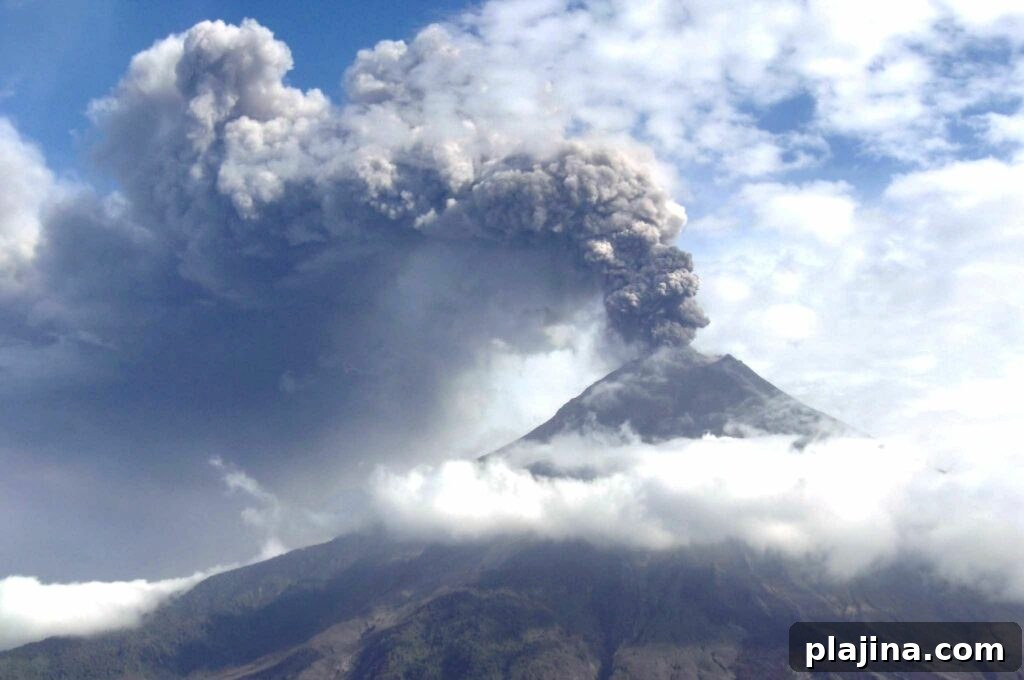
Tungurahua © Ecuador Tourism Board
Tungurahua
Tungurahua, often called the “Throat of Fire,” rises to about 16,480 feet in the Cordillera Central. It has been intermittently active in recent decades, with notable eruptive phases since 1999. Despite its activity, Tungurahua attracts adventurous visitors who prefer to observe the volcano from safe viewpoints and surrounding ridges. The nearby town of Baños serves as a convenient base, offering hiking, mountain biking, and hot springs that complement a visit to the volcano’s scenic highland environment.
Chimborazo
Chimborazo towers at 20,564 feet and is one of Ecuador’s most recognizable peaks. Although not as frequently active as some neighbors, Chimborazo’s immense, glacier-covered flanks and perpetual snowcap create a dramatic alpine profile visible from great distances on clear days. The mountain’s high glaciers—such as Veintimilla, Politécnica and Whymper—shape challenging climbing routes that require technical skill, proper equipment and acclimatization. Reaching Chimborazo’s higher elevations provides sweeping views across the central Andes.
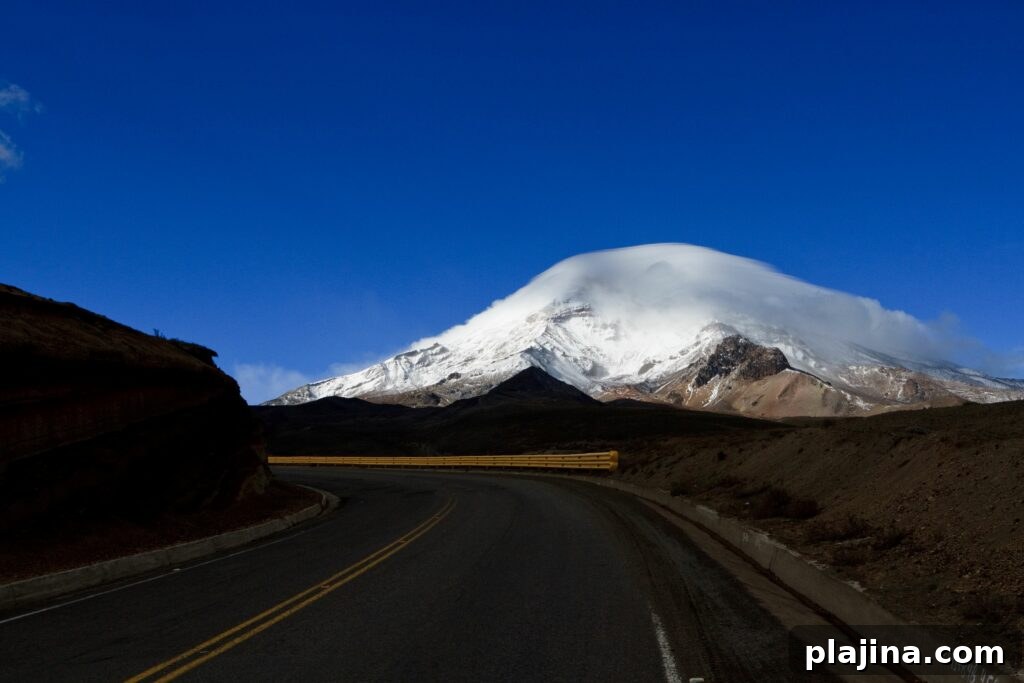
Chimborazo © Ecuador Tourism Board
Sangay
Sangay, reaching about 17,159 feet, is known for its persistent activity and rugged isolation. Located where the Andes transition toward the Amazon basin, Sangay’s remote setting and frequent eruptions make it a dramatic and powerful landmark. The volcano’s name reflects local impressions of its force. Access can be challenging, and visits are typically undertaken with experienced guides and careful planning to account for safety and changing conditions.
Cayambe
Cayambe rises to roughly 18,996 feet and is one of Ecuador’s highest snow-capped volcanoes. Unique among major peaks in Ecuador, part of Cayambe lies on the equatorial line. The mountain’s glaciers and mixed terrain of ice, rock and scree demand strong physical preparation and mountaineering skills. Climbers who tackle Cayambe should be ready for technical glacier travel and rapidly changing high-altitude weather conditions, but they will be rewarded with striking vistas and the thrill of standing on a peak intersected by the equator.