
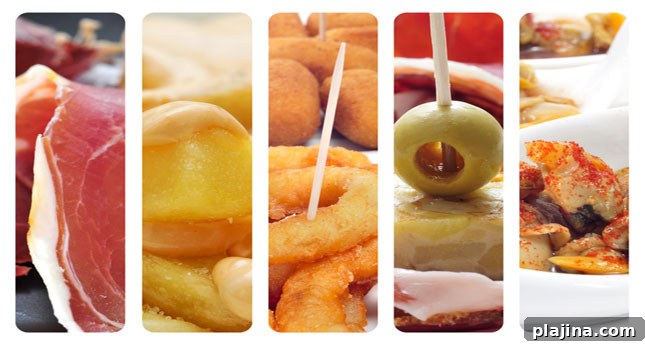
On a recent trip to Madrid, I dove into a wide variety of tapas — manchego cheese, fried cod, eggs with Spanish ham and potatoes, among many others. As the tapas tradition that originated in Spain has spread worldwide, it’s worth exploring three well-known legends about how tapas began.
Tapar in Spanish means “to cover” or “to lid.” One popular explanation says that people used to place a piece of bread or meat over their sherry glass to keep flies away. Those small covers evolved into the practice of serving little bites alongside drinks, which became known as tapas.
Another story involves King Alfonso X. According to this version, the king fell ill and was advised to eat while drinking wine. He reportedly decreed that taverns could not serve alcohol unless accompanied by a small portion of food. This royal order is often cited as a catalyst for the custom of serving food with drinks. It’s important to distinguish tapas from simple appetizers: tapas are usually shared by a group and together can form an entire meal.
A third theory traces tapas back to farmworkers who carried modest portions of food to sustain them during long days in the fields. That idea of moving from place to place tasting small plates survives today in the Spanish practice of going from one tapas bar to the next, trying a different dish at each stop. Notably, these establishments are typically called tapas bars rather than tapas restaurants, emphasizing the informal, social nature of the experience.
Whatever the true origin, tapeo — the practice of eating tapas, defined by gathering with friends to eat, drink and socialize — captures a mindset I deeply appreciate. Tapas are more than food; they’re a social ritual that encourages conversation, variety and shared enjoyment. For locals and visitors alike, hopping between tapas bars invites discovery: new flavors, small surprises on the plate and the chance to connect over simple, well-prepared dishes.
Beyond the legends, regional variations across Spain show how adaptable tapas have become. In some places they lean toward seafood and olive oil, in others toward cured meats and hearty stews. The essential idea remains the same: small portions meant to be shared, creating a leisurely pace and a focus on companionship. This communal approach to eating explains why tapas culture has been embraced internationally, often adapted to local ingredients while preserving the core values of sharing and sociability.
Tapas also encourage culinary creativity. Chefs and home cooks experiment with textures and flavors on small plates, turning humble ingredients into memorable bites. For travelers, the ritual of sampling multiple tapas provides a practical way to taste a region’s specialties without committing to a single large dish. It’s a tasting tour built into a social evening.
In short, whether tapas began as practical covers for drinks, a royal health mandate, or the portable meals of field workers, the tradition evolved into a vibrant food culture. Tapeo remains a celebration of food and fellowship — a delightful reason to gather with others, share tastes and enjoy the rhythm of Spanish dining. For anyone who relishes food and company, tapas offer a welcoming, flavorful invitation to slow down and savor the moment.