
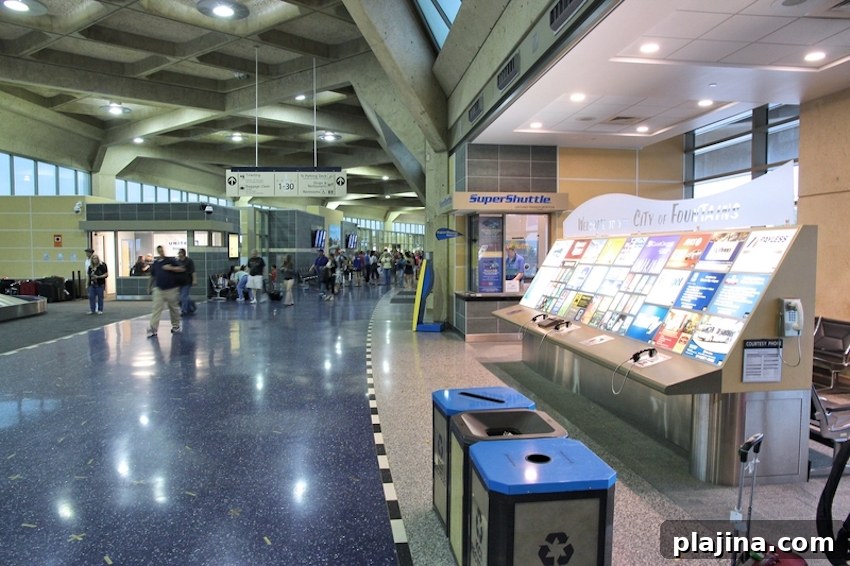
Last month, Kansas City International Airport began construction on a new $1.5 billion single-terminal project. The airport, which has operated with a three-terminal layout since it opened in 1972, will undergo its most significant transformation in decades.
The new facility is being built to handle passenger volumes that have nearly tripled since the airport first opened. By consolidating operations into one terminal, the airport aims to improve efficiency, reduce transfer times, and provide a more cohesive travel experience for passengers and airlines alike.
Designed by Chicago-based Skidmore, Owings & Merrill, the terminal will cover approximately 1 million square feet and include 39 gates. The project is the largest infrastructure investment in Kansas City’s history and is expected to generate around 5,000 jobs during construction and in ongoing airport operations.
“A modern airport that is attractive to passengers and airlines is an important competitive advantage for any major metropolitan area,” said Tim Cowden, CEO of the Kansas City Area Development Council. He noted that the new single terminal at KCI builds on the region’s history of investing in cultural assets, sports facilities, and transportation infrastructure, and represents the next phase of regional growth.
In addition to the terminal itself, the airport plans several complementary improvements. These include expanded parking options, a two-level curbside pick-up and drop-off area, and larger gate areas to accommodate more passengers and bigger aircraft. Travelers can also expect an upgraded post-security environment with more amenities, creating a more pleasant and convenient airport experience.
When complete, the consolidated terminal is intended to streamline passenger flows, support increased flight options, and better position Kansas City to compete as a regional travel hub. The redesign emphasizes modern passenger services while aiming to meet long-term capacity needs without adding unnecessary complexity to the travel experience.
The single-terminal project marks a major step in updating an airport that had remained largely unchanged for nearly half a century. With its scale and scope, the development signals a significant investment in the city’s transportation infrastructure and in the region’s economic future.