
Elephants rank among the planet’s most intelligent animals. With the largest brain of any terrestrial species and a number of neurons comparable to the human brain, they demonstrate sophisticated social structures and long-distance communication. Their intelligence and gentle demeanor contribute to the widespread human fascination with them.
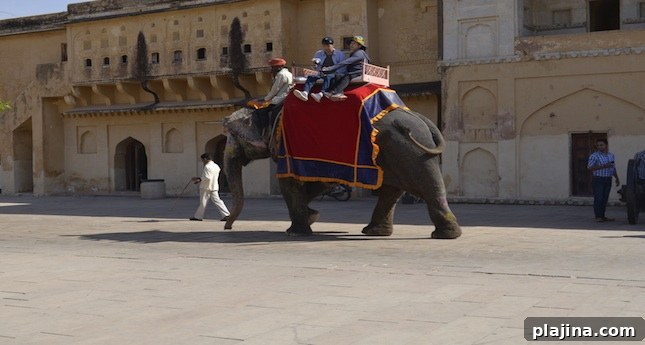
In India, elephant rides have been a common attraction for tourists at historic sites and popular destinations. However, that practice is facing increased scrutiny and may be nearing an end.
In December, the Supreme Court of India expressed concern about the welfare of elephants used in tourism and asked the central government to respond within four weeks. The court indicated that the practice could contravene existing animal welfare laws, prompting calls for tighter regulation or an outright ban.
Reports from India and other countries have raised alarm about the conditions some captive elephants endure. Concerns include inadequate nutrition, untreated illness, insufficient veterinary care, and other forms of neglect. Similar issues have been documented in nations such as Thailand, Vietnam, and Zimbabwe, where tourism and working elephants have faced criticism from animal welfare groups.
Beyond welfare concerns in captivity, wild elephant populations are under severe threat. Poaching for ivory and the ongoing loss and fragmentation of habitat have driven numbers down across Africa and Asia, putting many populations at risk. Conservationists argue that reducing demand for elephant capture and ensuring stricter protections for wild herds are essential steps.
Tourism operators, local communities, and conservation organizations are increasingly exploring alternative, humane ways for people to experience and appreciate elephants. These include guided observation in ethical sanctuaries, community-led ecotourism, and educational programs that emphasize respect for elephant behavior and conservation needs.
Where captive elephants are still used in tourism, improved regulations and enforcement are being advocated: mandatory veterinary checks, limits on working hours, better nutrition and living conditions, and training programs that replace harsh control methods with positive reinforcement. Advocates stress that any interaction with elephants should prioritize the animals’ physical and psychological wellbeing.
As legal and social pressure grows, destinations that have relied on elephant rides for income may face economic and cultural adjustments. Transitioning to ethical tourism models can help preserve livelihoods while promoting conservation and humane treatment of elephants. For visitors, choosing experiences that support welfare-focused operators helps encourage better standards worldwide.
Ultimately, protecting elephants—both in the wild and in captivity—requires coordinated action: stronger enforcement of animal welfare laws, targeted conservation efforts to curb poaching and habitat loss, and public awareness that respects the complexity and needs of these remarkable animals.