
The 2017 Atlantic hurricane season brought unprecedented destruction across much of the Caribbean. The storms that year caused approximately 3,364 deaths and nearly $295 billion in damage across the region. Three Category 5 hurricanes—Harvey, Irma and Maria—accounted for the bulk of the devastation, striking especially hard in Puerto Rico, the U.S. and British Virgin Islands, and the northern Leeward Islands, including Dominica and Sint Maarten/Saint Martin.
The subsequent season was less intense overall, but 2019 produced Category 5 Hurricane Dorian, which became the strongest and most costly natural disaster to hit The Bahamas. By contrast, 2020 has been relatively mild for storms (as of press time), but the region faced a different catastrophic shock: the COVID-19 pandemic. The health crisis triggered an economic tsunami that affected every country and territory across the Caribbean.
Despite repeated setbacks, the islands’ communities and cultures have repeatedly rebuilt with determination. Areas hit hardest over the past several years have launched notable recovery and resilience initiatives that blend environmental restoration, infrastructure rebuilding and tourism reinvention.
In the British Virgin Islands, the Tourist Board launched the Seeds of Love initiative in spring 2018, months after Irma and Maria. The program focused on replanting native trees and vegetation lost to the storms, reducing erosion and protecting fragile ecosystems while underscoring the link between tourism and environmental stewardship. Citizens and schoolchildren joined visitors in planting and maintaining thousands of fruit trees, coconut palms and other native flora, creating opportunities for meaningful voluntourism.
Building on that effort, the BVI introduced the BVI Love marketing campaign in September. The campaign emphasizes green initiatives, economic diversification and sustainable tourism as the territory reopened to visitors. Premier Andrew Fahie noted changing traveler preferences and the need to stand out in a competitive market by promoting authentic experiences that highlight local culture and environmental stewardship.
The U.S. Virgin Islands, hit by both Irma and Maria in quick succession, also focused on rebuilding and modernization. By June 2019 about half of the hotels had reopened, with additional properties coming back online afterward despite some pandemic-related delays. The cruise industry recovered relatively quickly, and many visitor services were restored. To reassure travelers, the territory’s Department of Tourism adopted the #StillNice campaign to highlight intact reefs, beaches and attractions.
Reconstruction in the USVI created opportunities to upgrade infrastructure and public facilities. Plans include a multi-phase modernization of Cyril E. King Airport on St. Thomas and Henry E. Rohlsen Airport on St. Croix. Improvements at St. Thomas encompass a four-level parking garage and transportation center, additional jet bridges, and upgraded terminal spaces and amenities. Upgrades at St. Croix include expanded lounge seating, more concessions, remodeled restrooms and added air-conditioning.
The Bahamas’ Grand Bahama and the Abacos suffered severe damage from Hurricane Dorian. Freeport avoided the worst damage, and prior to the pandemic many hotels, restaurants and attractions had already reopened. Major port and downtown redevelopment projects in Nassau began moving forward, including a multi-year upgrade of Prince George Wharf. The project aims to add a new cruise terminal, retail and dining outlets, waterfront park space, an outdoor event area and a multimedia Junkanoo museum to showcase Bahamian culture, along with improved lighting and a tram to better connect the port and downtown.
Tourism-dependent economies across the Caribbean were deeply impacted by COVID-19, but signs of recovery began to appear. Data from travel insurance aggregator Squaremouth showed that among destinations travelers booked through its portal between March and mid-August for travel in 2021, Mexico ranked first internationally, followed by Aruba, The Bahamas, the U.S. Virgin Islands and Jamaica—an indication of continued interest in Caribbean travel.
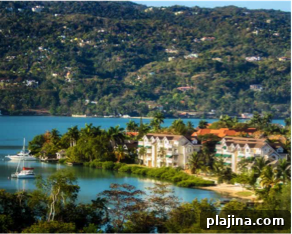
PHOTO: © DFIKAR | DREAMSTIME.COM
Early in the pandemic, most CARICOM countries, Bermuda and The Bahamas implemented similar entry protocols for international visitors: pre-arrival PCR tests, online health forms, temperature screenings, possible testing on arrival and occasionally mandatory quarantine at approved hotels for up to 14 days. As the year progressed, many destinations adjusted restrictions and introduced new incentives to attract travelers.
Examples of these adjustments include Sint Maarten, where two all-inclusive Sonesta resorts rebuilt or renovated after Irma offered resort credits to offset COVID testing costs for short stays. The Dominican Republic removed the requirement for a negative PCR test as of mid-September and adopted random rapid testing on arrival, while offering complimentary travel assistance insurance for commercial-flight visitors staying in hotels through year-end, covering COVID-related medical care and other travel contingencies.
Airlines also adapted to evolving demand and health requirements. American Airlines announced pre-flight COVID testing at Miami International Airport for select routes to Jamaica and The Bahamas and plans to expand testing services to other Caribbean routes. JetBlue expanded its Caribbean schedule with new nonstop routes from Newark to Montego Bay, Cancún, Aruba, Nassau, Turks & Caicos and Sint Maarten, and with additional flights from other U.S. gateways such as Raleigh-Durham and San Francisco.
Since the hurricanes, many hotels and resorts across the Caribbean have been rebuilt, renovated or repositioned, with openings staged through 2020 and into 2021. Additional properties are slated to launch over the next two years. As borders reopen and travel confidence returns, the region’s sun-drenched beaches, clear waters and warm hospitality are expected to draw visitors back in significant numbers, fueling recovery for communities that have shown resilience time and again.