After two decades, my favorite aunt announced she was planning to remarry and blend her small family with her fiancé’s large extended one. Her daughter’s reaction? “Mom, I love you. He’s a great guy. His kinfolk seem nice, and I know you’ll be happy, but let’s cut to the chase … what does this mean for me?” My aunt replied, “We’ll just have to wait and see.”
Business travelers feel much the same way about Marriott International’s acquisition of Starwood Hotels & Resorts: curious, cautious and eager for specifics. Executives and industry insiders mostly answer with “wait and see,” but several concrete details about the combined company are already clear.
Marriott is now the largest hotel company in the world, operating more than 6,000 properties with nearly 1.2 million rooms across 120 countries. Travelers can find a Marriott property in most major destinations. The expanded portfolio now includes top luxury names such as The Ritz-Carlton, St. Regis and Bvlgari. Lifestyle and evolving brands like Westin, Renaissance and Autograph Collection sit alongside mainstream premium brands including Marriott Hotels and Sheraton. Newer, design-forward and budget-friendly options such as Moxy, AC Hotels and Aloft broaden the choices for different tastes and budgets. In short, the combined Marriott offers travelers many options to match their preferences and price points.

JW Marriott Panama © MARRIOTT INTERNATIONAL – CARIBBEAN & LATIN AMERICA
“Our focus is not on being bigger, but on being better,” says Tim Sheldon, president of Marriott Caribbean and Latin America (CALA). He emphasizes the company’s commitment to service and memorable guest experiences while adding that new brands and expanded market reach deliver more options for customers.
The merger has enabled Marriott to re-enter markets where it had scaled back. Argentina, for example, is again an active market for Marriott with Sheraton, The Luxury Collection and the newly introduced Tribute brand present. Expansion remains a priority: Marriott has a robust development pipeline and planned openings aimed at increasing its regional footprint, with particular attention to Mexico and other priority markets.
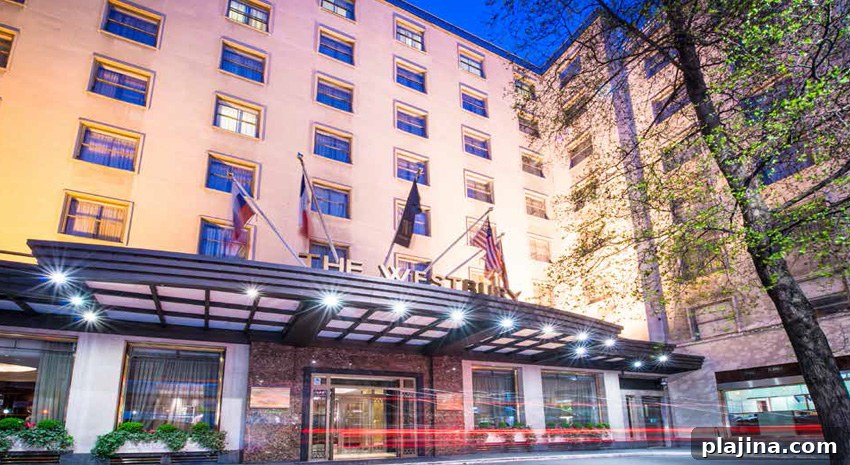
In December 2016, The Luxury Collection added five flagship properties to its roster: The Wellesley and The Westbury in London; Hôtel de Berri in Paris; Cristallo Resort & Spa in Cortina, Italy; and The Alexander in Yerevan, Armenia. These additions underscore Marriott’s continued investment in high-end, unique hotels.
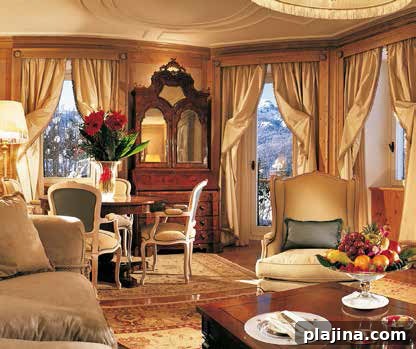
Cristallo Resort & Spa © MARRIOTT
Matthew Carroll, vice president of Marriott Hotels, explains that the merger accelerated efforts to refresh flagship Marriott Hotels worldwide. Renovations are updating guestrooms with contemporary finishes: converting tub/shower combos to walk-in showers, replacing carpet with hard surfaces, and modernizing layouts to better meet guest expectations.
Marriott is also testing innovations. In October it launched an experimental “live beta” hotel concept at Charlotte Marriott City Center called M Beta. “Beta buttons” placed around the hotel invite guest feedback on amenities and new ideas. Trials have included personal greeters instead of traditional front desk check-in, on-demand fitness content in the studio, and a coffeehouse featuring locally sourced coffee.
One of the most pressing concerns for travelers has been the fate of loyalty programs. On the first day after the acquisition closed, Marriott allowed members to link Marriott Rewards and Starwood Preferred Guest (SPG) accounts, providing instant Elite status matching and unlimited points transfers between accounts. That move eased immediate uncertainty and started the integration of member benefits.

Renaissance São Paulo © MARRIOTT INTERNATIONAL – CARIBBEAN & LATIN AMERICA
Combined loyalty members benefit from broader redemption options. Marriott Rewards and The Ritz-Carlton Rewards members can redeem points for stays in destinations such as the Maldives, Santoríni and Bora-Bora, while SPG members gain access to properties in Aruba, Tuscany’s Serchio Valley and Kruger National Park. The joint program also provides members with exclusive, hard-to-buy experiences in music, sports and entertainment—events that many members increasingly value over traditional rewards.
Thom Kozik, vice president of global loyalty at Marriott International, notes that members are seeking experiences rather than just points. The merged program aims to deepen emotional engagement by offering unique access—such as throwing out a first pitch at a major league game or attending private concerts—which differentiates the combined loyalty offering from competitors.
Mobile capabilities from both brands are being emphasized to improve convenience. When members book directly, Marriott’s app enables mobile check-in and check-out, alerts when rooms are ready, and Mobile Requests to communicate needs to hotels before, during and after stays. SPG’s app offers SPG Keyless at participating hotels, letting guests check in, receive room numbers and unlock doors with a smartphone or Apple Watch.
Not all reactions have been positive. Some long-time Starwood loyalists remain skeptical. Gary Leff, who writes about travel loyalty, points out differences in how the brands rewarded members: Marriott historically rewarded based on spend, while Starwood was seen as more generous to elite members with suite upgrades and breakfast perks. Which approach Marriott will adopt fully remains uncertain.
Overall, Marriott took early steps to reassure Starwood members and move toward a unified experience. For Marriott, the ultimate objective is to offer a single, compelling loyalty program that makes choosing Marriott the natural decision for travelers. Achieving that will take time.
The integration is complex: Marriott must coordinate with suppliers, credit card partners, airlines, rental car companies and other rewards partners while carefully upgrading reservations, loyalty and operations systems. To avoid the technical disruptions that have affected some airline mergers, Marriott is proceeding methodically. Significant changes are expected to roll out gradually over the coming six to nine months rather than overnight. For now, travelers can expect continuity with incremental improvements as the company combines resources and brands.
MARRIOTT INTERNATIONAL
Demographic: With a diverse and evolving portfolio that spans upper midscale to luxury, Marriott attracts a wide range of travelers seeking consistent service, thoughtful amenities, strong local connections and robust loyalty benefits.
Offerings: Marriott operates more than 6,000 properties worldwide, totaling about 1.2 million rooms in 120 countries. Guests can participate in Marriott Rewards, The Ritz-Carlton Rewards and Starwood Preferred Guest.
BRANDS:
Luxury: St. Regis, W, The Luxury Collection, The Ritz-Carlton/The Ritz-Carlton Reserve, Bvlgari Hotels & Resorts, JW Marriott, EDITION
Upper Upscale: Westin, Le Méridien, Sheraton, Tribute Portfolio, Autograph Collection, Renaissance, Marriott Hotels, Delta Hotels by Marriott, Marriott Executive Apartments, Marriott Vacation Club, Gaylord Hotels, Design Hotels
Upscale: Four Points by Sheraton, Element, Aloft, AC Hotels by Marriott, Courtyard, SpringHill Suites, Residence Inn
Upper Midscale: Moxy, Fairfield Inn & Suites, Protea Hotels by Marriott, TownePlace Suites