
Hotel industry diversity has room to grow, but progress is underway. Energized by the racial reckoning of 2020, hoteliers are treating diversity, equity and inclusion (DEI) with renewed urgency. Significant gaps remain, yet companies and organizations are taking concrete steps to improve representation, promote inclusion and build long-term pathways into leadership roles.
Black workers represent roughly one in five hotel employees in the United States, according to the U.S. Department of Labor. However, leadership statistics tell a different story: a 2020 report from the Castell Project, “Black Representation in Hospitality Industry Leadership 2020,” found that Black professionals hold only about one in 60 positions at the vice president level or above and account for roughly 1.5 percent of executive roles across the hospitality industry—far below the executive representation average across all industries.
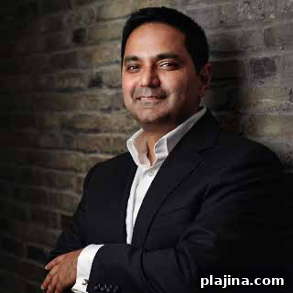
PHOTO: © ALEX MIRZA
Research from MogulRecruiter shows women and minorities make up about 60 percent and 40 percent, respectively, of frontline hotel roles in the U.S., but those figures fall dramatically at the general manager and senior executive levels. Women hold approximately 20 percent of U.S. hotel general manager positions, and minorities hold about 10 percent. Black professionals are 15 percent of frontline staff but only 1 percent of general managers.
Alex Mirza, founder and CEO of Mogul, a hospitality-focused technology company, describes efforts to change that dynamic through data-driven talent discovery. Mogul’s talent database tracks more than 500,000 hospitality leaders in supervisory roles and above, with more than half identifying as women and roughly a third identifying as minorities. Mirza emphasizes that while the data-driven tools are improving access to diverse talent, “our work is just getting started.”
Mirza’s commitment to diversity is personal and longstanding. He recalls an early-career incident at a Waldorf Astoria that revealed bias in unexpected ways: after a presentation to a board, three white men mistook him for a valet and handed him the keys to high-end cars. The encounter underscored implicit biases that persist even for seasoned professionals and highlighted the steeper, more explicit barriers women and ethnic minorities face when pursuing senior roles in hospitality.
The NAACP has also assessed hotel companies on minority representation across job tiers. Its 2019 evaluation showed limited progress since 2005, assigning mid-range grades to several major brands. For instance, the report assigned grades such as C to some leading operators and noted uneven or poor representation at top management levels. These findings reinforced calls for systemic change and more measurable commitments from hotel companies.
Despite the challenges, DEI is now a higher priority for hotel leaders than in years past. Below are examples of actions some hotel companies and properties are taking to expand opportunities, support diverse suppliers and build inclusive workplace cultures.
HYATT HOTELS
Hyatt has a long history of inclusion and formalized DEI efforts decades ago. The company established the Hyatt Diversity & Inclusion Council in the Americas in 1998 and began linking executive incentives to DEI progress in 2017. In response to renewed calls for racial equity, Hyatt launched initiatives such as Change Starts Here and World of Care to accelerate DEI, increase accountability and improve communications across its business.
Malaika Myers, Hyatt’s chief human resources officer, has said the company seeks to enable colleagues to bring their whole selves to work, believing diverse perspectives drive innovation and better connect Hyatt to the communities it serves. Hyatt’s U.S. leadership team is currently majority white, and the company has set 2025 goals that include doubling representation of women and people of color in key leadership roles, directing $1 million to support Black communities through its foundation, and ensuring Black-owned businesses account for 10 percent of its minority- and women-owned supplier spend.
Hyatt’s Hyatt Loves Local program helps minority-owned small businesses affected by the pandemic by offering complimentary space and resources. For example, Hotel 50 Bowery in New York has collaborated with local grassroots initiatives to raise funds and increase visibility for Chinatown businesses and community voices.
HILTON HOTELS CORP.
Hilton has pursued education and workforce partnerships to grow the hospitality talent pipeline. The company announced a collaboration with Morris Brown College and CGI Merchant Group to create a $30 million hotel and hospitality training center on Morris Brown’s Atlanta campus, designed to cultivate early-career talent and strengthen long-term relationships between schools and employers.
Hilton has also set targets for leadership diversity: the company aims to reach gender parity in global leadership by 2027 and achieve 25 percent ethnic diversity in U.S. leadership roles by that year. Hilton plans public reporting on progress and ties executive compensation to DEI outcomes. Current corporate leadership figures show room for improvement, and Hilton’s public commitments are intended to accelerate change.
MARRIOTT INTERNATIONAL
Marriott and the J. Willard and Alice S. Marriott Foundation announced a major partnership with Howard University to launch the Marriott-Sorenson Center for Hospitality Leadership, backed by a $20 million endowment. The center aims to expand educational and professional opportunities for Howard students and develop future hospitality executives. Marriott also established the Arne M. Sorenson Hospitality Fund to build leadership talent across the industry, beginning with an initial $1 million contribution from the company.
Marriott has set a target of gender parity in global leadership by 2025, building on current leadership where women occupy a substantial portion of roles but continued progress is needed to reach full parity.
CONCORD HOSPITALITY ENTERPRISES
Concord Hospitality highlights diversity and belonging as part of its core identity. With a management portfolio of more than 135 hotels across North America, the company runs affinity groups, a Diversity & Belonging Council and initiatives that promote candid conversations and anti-racism. Concord has run campaigns and internal programs to reinforce inclusion and equal treatment for all employees.
Concord is focusing on intentional recruitment to increase diversity at senior levels. Currently at roughly 20 percent diversity in leadership, the company aims to reach at least 40 percent by partnering with workforce development organizations, mentoring programs, employee referral efforts and flexible hiring standards that value experience, passion and service over formal degrees.
FAIRMONT SAN FRANCISCO
Fairmont San Francisco supports initiatives that expand hospitality employment for Black workers and other underrepresented groups. The hotel partners with organizations focused on equality and inclusion in hospitality and supports the Primed & Prepped Culinary Arts Program, which prepares young people of color, ages 14–24, for careers in culinary arts and hospitality management. The program offers mentorship, training and pathways to internships and jobs.
The hotel also hosts a Candid Conversation Series to spotlight inclusion topics and engage leaders and community partners in dialogue. Fairmont regularly marks cultural observances such as Pride, Cinco de Mayo and Juneteenth as part of its DEI commitments.
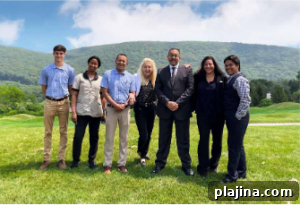
PHOTO: © CRYSTAL SPRINGS RECORT
CRYSTAL SPRINGS RESORT
Crystal Springs Resort in Hamburg, New Jersey, created a targeted hiring program in partnership with the city of Paterson, a majority Hispanic community, and Passaic County. Launched in 2019, the Paterson Workforce Development initiative seeks to create meaningful employment opportunities for residents tied to the municipal workforce development division. Since the program’s start, the resort has employed more than 50 people from the initiative in roles ranging from housekeeping and laundry to kitchen and maintenance positions.
Understanding transportation and housing can be barriers to sustained employment, Crystal Springs provides daily carpool shuttle service from Paterson to the resort, assists with ridesharing options and, in qualified cases, offers housing with reasonable rent contributions. Many program participants have benefited from stable employment while rebuilding after economic, legal or personal setbacks.