
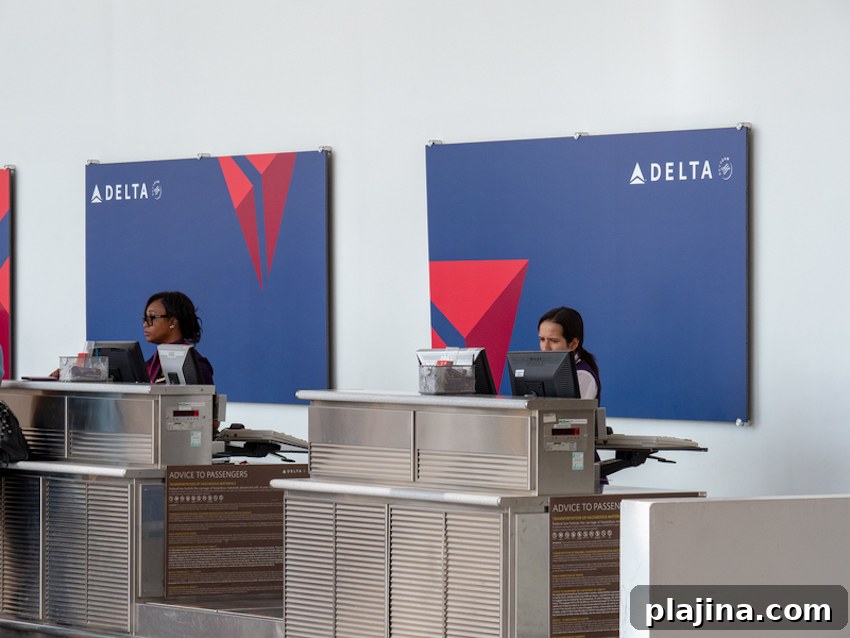
Following a wave of recent adjustments across the industry, American Airlines and Delta Air Lines have increased checked baggage fees, joining several other carriers in raising prices. With these changes, most major North American airlines now charge higher fees for checked luggage, with the notable exceptions of Southwest — which continues to allow two free checked bags per passenger — and Alaska Airlines, which still charges $25 per bag, the long-standing industry norm.
JetBlue initiated the trend last month, prompting quick follow-up moves from other carriers including United Airlines, Air Canada and WestJet. American and Delta announced fee increases that mirror JetBlue’s structure: the first checked bag fee rises from $25 to $30, and the second checked bag fee increases from $35 to $40. These new rates took effect on September 21.
“This is the first time American has changed its domestic checked bag fees since 2010 and follows similar changes made by other airlines,” American Airlines said in a press release, emphasizing that the update aligns its baggage pricing with recent industry adjustments.
Delta confirmed the same revised fee schedule, citing alignment with competitor pricing and operational considerations. The synchronized fee structure across multiple carriers simplifies expectations for travelers but also reflects a broader shift in airline ancillary revenue strategies that has been underway for several years.
Southwest remains an outlier in the market by continuing its policy of two free checked bags, a policy that many passengers find attractive for family or group travel. Alaska Airlines also stands apart by keeping the $25 checked bag fee, preserving the previous industry standard while other carriers move toward higher ancillary charges.
For passengers, these changes mean slightly higher travel expenses for those who check luggage. Travelers who want to avoid the new fees can consider strategies such as packing carry-on only when possible, using loyalty status or co-branded credit cards that cover checked bags, or comparing fares and inclusion of baggage across carriers when booking. As airlines continue to refine route networks and revenue models, fees for extras such as checked bags remain an important factor in travel budgeting and booking decisions.