
Measuring 427 square miles and divided into 18 districts, Hong Kong is one of the most densely populated cities on the planet. As a major global financial center with a busy commercial port, it is also among the world’s most developed — and costly — urban centers, boasting more skyscrapers than any other city. The city’s institutional and financial strength blends with a unique cultural mix that fuses Eastern and Western influences.
PHOTOS:©ALEXANDERSHALAMOV|DREAMSTIME.COM
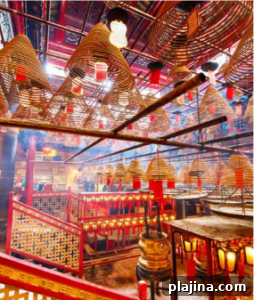
Beyond its skyline of glass and steel, Hong Kong is famous for bustling street stalls, vibrant markets and serene temples. Longstanding traditions remain central to daily life — the Man Mo Temple in Sheung Wan, for example, is a striking reminder of the city’s spiritual and cultural heritage.
The city’s culinary scene highlights its dual nature: you can dine at dozens of Michelin-starred restaurants or savor simple, authentic flavors at dai pai dong food stalls and neighborhood cafés. Rooftop bars are a celebrated local institution; among them are Ozone at The Ritz-Carlton, widely recognized as one of the highest bars in the world, Sevva in Central’s Prince’s Building, and Sugar at the EAST hotel in Quarry Bay, each offering memorable skyline views and creative cocktails.
Hong Kong’s arts and entertainment history stretches back decades. The city became a significant filmmaking center in the mid-20th century and gained global recognition through figures like Bruce Lee in the 1970s and 1980s. Today, the West Kowloon Cultural District serves as the contemporary heart of Hong Kong’s cultural life. This ambitious 98-acre development blends tradition with innovation and includes notable venues such as the Arts Pavilion, the Xiqu Centre for traditional Chinese theatre, Freespace for contemporary performances, the Art Park and the recently opened M+ museum, a major institution for visual culture and design.
Surprisingly to some visitors, much of Hong Kong is green: about 70 percent of the territory remains rural or protected, offering exceptional outdoor experiences. The region is home to numerous scenic hiking trails regarded among Asia’s best, and it includes geologically significant areas recognized for their natural value.
Whether you seek high-end dining and world-class cultural institutions, or the intimacy of street markets, historic temples and mountain trails, Hong Kong presents a rich and varied urban tapestry where modern life and deep tradition exist side by side.