
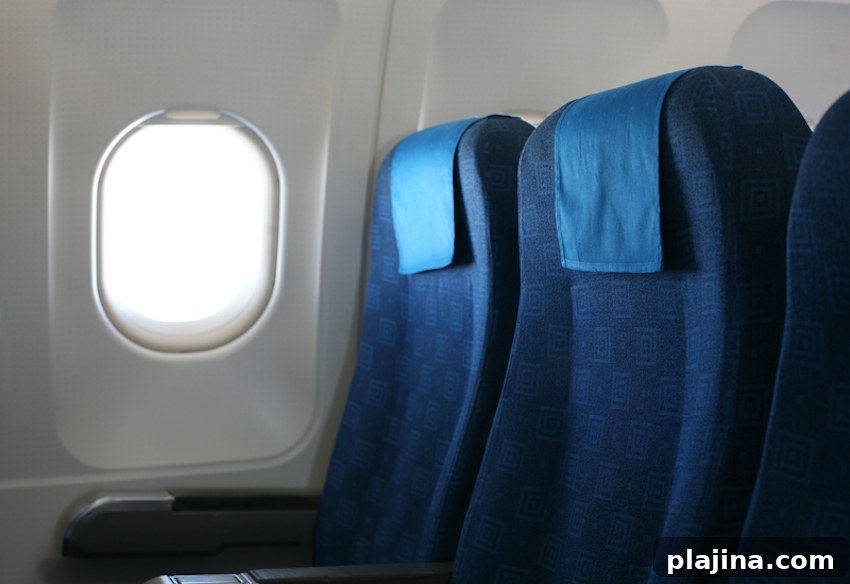
The future of aircraft design is taking shape with the rise of virtual windows. Traditional windows create structural weak points that increase weight, limit aerodynamic efficiency and raise fuel consumption. Replacing physical windows with high-resolution displays could allow aircraft to be lighter, faster and more fuel-efficient, which in turn may lower operating costs and help reduce ticket prices.
Virtual windows present outside views digitally, using cameras and screens or fiber-optic displays to recreate the experience of looking out. Passengers could see live exterior footage, enhanced views, or choose from customizable displays such as flight information, scenic overlays or mood lighting. This flexibility lets airlines tailor the cabin experience while avoiding the engineering compromises imposed by conventional windows.
Some airlines have already begun experimenting with windowless designs. For example, certain suites on Emirates’ Boeing 777-300ER first-class cabin use fiber-optic technology to deliver exterior imagery to suites that do not have physical windows. By streaming outside views to these private spaces, the airline preserves the feeling of openness without the structural penalties of additional cutouts in the fuselage.
Beyond weight and fuel savings, virtual windows offer other advantages. They can improve cabin pressurization and thermal performance by reducing the number of openings in the aircraft skin. Windowless cabins also allow for more flexible interior layouts, since seating and partitions no longer need to align with the plane’s window placement. In premium cabins, virtual windows can enhance privacy and immersion by controlling what each passenger sees, while in economy cabins they can reduce the claustrophobic feel often associated with interior seats.
There are important design and operational considerations before virtual windows become widespread. Camera systems must provide high-resolution, low-latency images across a range of lighting conditions, including glare and darkness. Redundancy and reliability are critical for in-flight systems, and displays must meet aviation safety and certification standards. Passenger acceptance is another factor: some travelers may prefer real windows for authenticity or reassurance, while others may appreciate the enhanced options virtual windows provide.
In addition to technical challenges, airlines will weigh the cost of retrofitting existing fleets against the benefits for new-build aircraft. For manufacturers, integrating virtual windows could simplify fuselage design and reduce assembly complexity, but it will also introduce new supply-chain requirements for cameras, displays and processing hardware. As the technology matures, economies of scale and improvements in display efficiency and camera capability will determine how quickly virtual windows are adopted across different market segments.
Ultimately, virtual windows represent a convergence of aerospace engineering and digital experience design. By replacing structural cutouts with advanced imaging systems, aircraft can achieve measurable gains in performance and flexibility, while offering passengers a customizable, potentially more engaging inflight environment. As airlines and manufacturers continue to pilot and refine these systems, passengers can expect to see more creative cabin concepts that blend real-world views with digital enhancements.