
Travelers are often drawn to historic neighborhoods and the buildings that reveal a community’s past, yet preserving these places is rarely simple or inexpensive. Earlier this year, The National Trust for Historic Preservation released its 2023 list of America’s 11 Most Endangered Historic Places, an annual spotlight on sites of national significance that face the threat of destruction or irreparable harm.
© Courtesy of The Greater Southwestern Exploration Co.
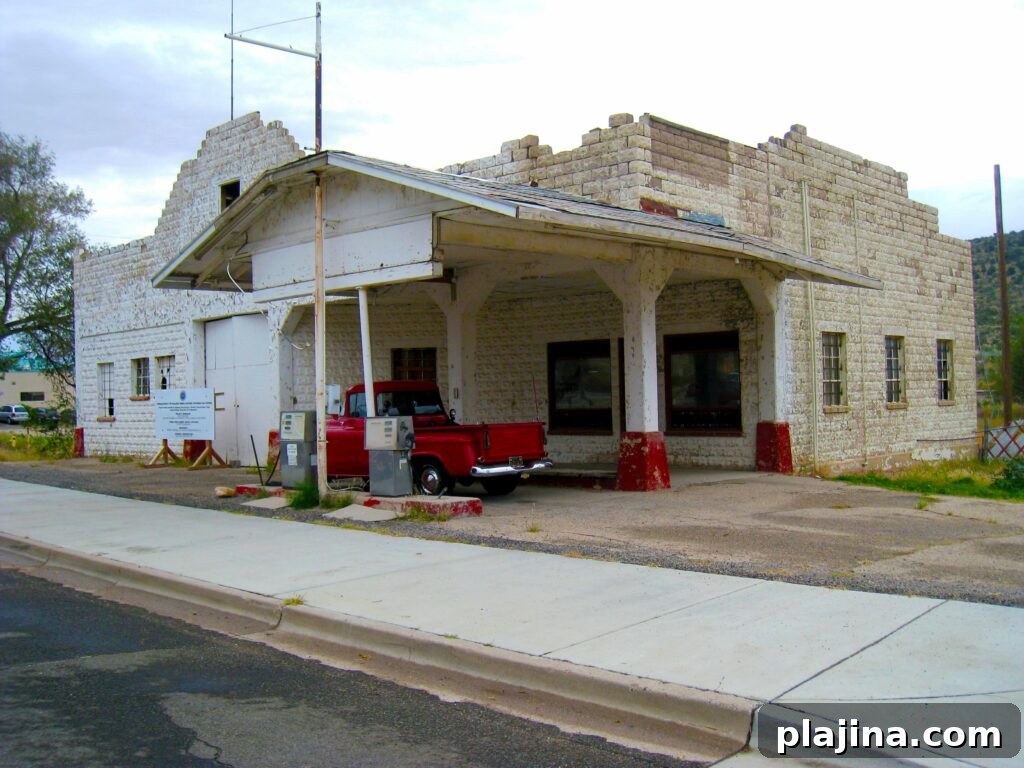
Built in 1929 along Route 66 in Peach Springs, Arizona, the Osterman Gas Station has long been a gathering place for the Hualapai Tribal community. Years of deterioration and recent extreme weather have left the station in urgent need of stabilization and rehabilitation to continue serving residents and travelers on this iconic highway.
Little Santo Domingo, the cultural and commercial heart of Allapattah in Miami, represents a vibrant neighborhood center. Rising development pressure has led to displacement, demolition, and escalating rents. Local groups such as the Allapattah Collaborative are working to balance growth with preservation to protect the neighborhood’s heritage, businesses, and cultural identity.
© Courtesy of Marshall Media
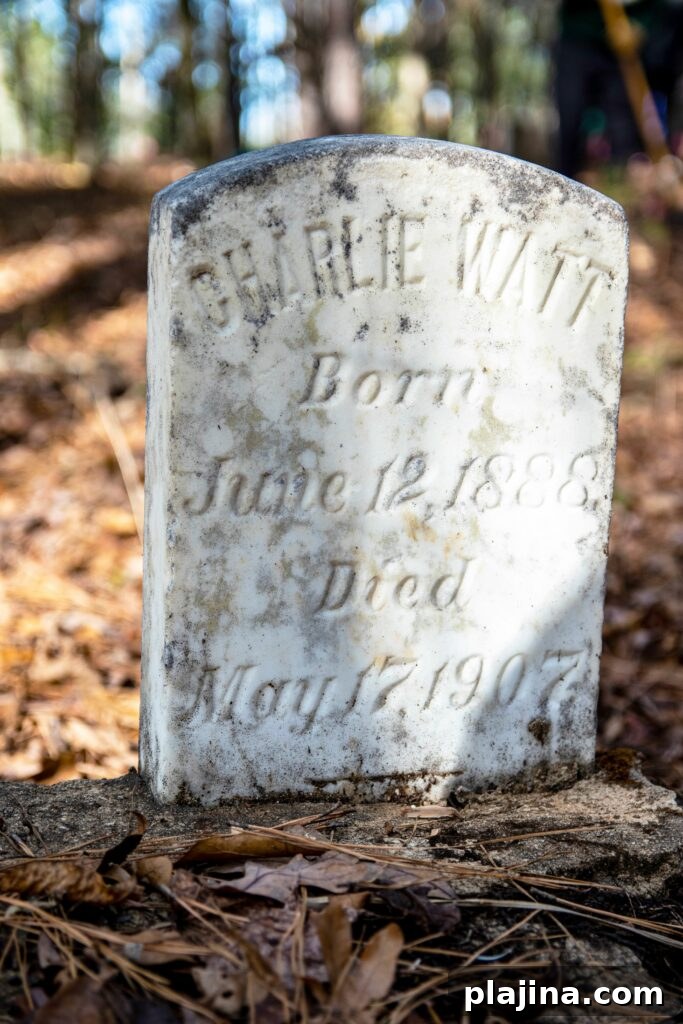
Established around 1828, Pierce Chapel African Cemetery in Harris County, Georgia, is one of the earliest burial grounds for people enslaved on area plantations and for their descendants. Over time the cemetery has fallen into disrepair and has sustained damage from heavy construction equipment, highlighting urgent needs for protection, documentation, and respectful stewardship.
Two landmark early skyscrapers on Chicago’s historic State Street—the Century and Consumers Buildings—contribute to the architectural character of the Loop. Despite their significance, both buildings have sat vacant since the General Services Administration acquired them in 2005, and current plans could lead to demolition unless viable preservation-compatible reuse is pursued.
© Courtesy of Brian M. Davis/Louisiana Trust for Historic Preservation
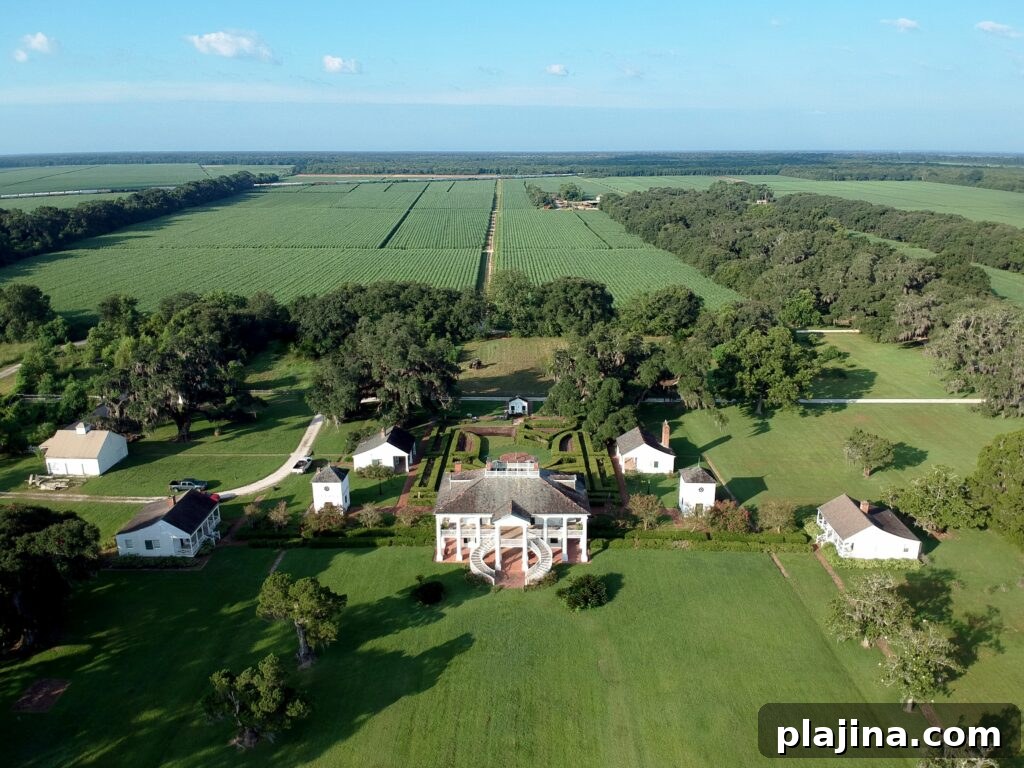
An 11-mile stretch along the Mississippi River on the West Bank of St. John the Baptist Parish, Louisiana, contains historic villages, agricultural landscapes and plantation sites where the lives of enslaved people are preserved and interpreted. Proposed industrial development—specifically a permit application by Greenfield Louisiana LLC to build a massive grain elevator—could threaten these nationally significant cultural resources and the landscape that supports them.
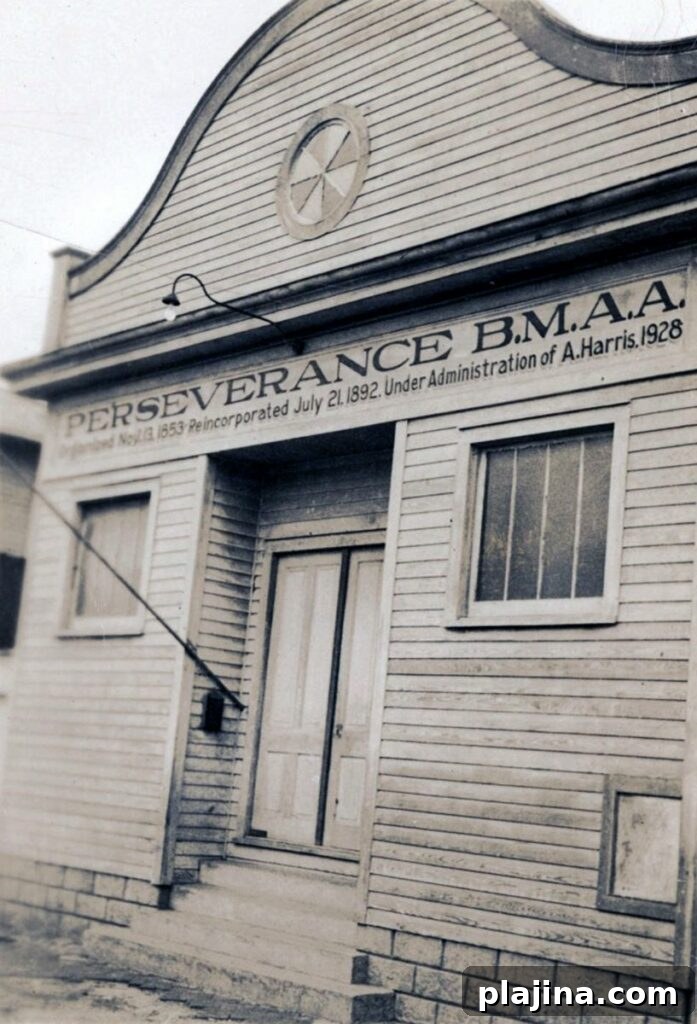
In New Orleans’ 7th Ward, a building dating to about 1880 first housed the Perseverance Benevolent and Mutual Aid Society, with a main hall that doubled as an early jazz venue, and later served the Holy Aid and Comfort Spiritual Church of Eternal Life. Repeated hurricane damage has left the surviving portions of the structure at risk of collapse, demanding immediate attention to stabilize and conserve what remains.
© Courtesy of Williams Research Center of the Historic New Orleans Collection
African American artist L.V. Hull turned her Kosciusko, Mississippi, home into an immersive art environment that drew visitors from near and far. After Hull’s death in 2008, her work was relocated and conserved, but her vacant house has suffered neglect, vandalism, and weather exposure. Filmmaker and friend Yaphet Smith purchased the property and is collaborating with advocates to create an arts campus that honors Hull’s creative legacy while stabilizing the site.
In North Philadelphia, a rowhouse built in 1871 was the home of Henry Ossawa Tanner, the internationally acclaimed African American painter, and other members of the Tanner family who achieved prominence. The Tanner House, now seriously deteriorated, faces pressures from gentrification that threaten the neighborhood’s Black cultural history and the survival of this important landmark.
Philadelphia’s Chinatown, established in 1871 and among the oldest continuously active Chinatowns in the United States, remains a vital cultural and commercial neighborhood. Proposals for a new arena adjacent to Chinatown have raised concerns from community advocates, including the Philadelphia Chinatown Development Corporation, who worry the project could further isolate the neighborhood and erode community cohesion and cultural assets.
© Courtesy of Brent Fortenberry/Tulane University
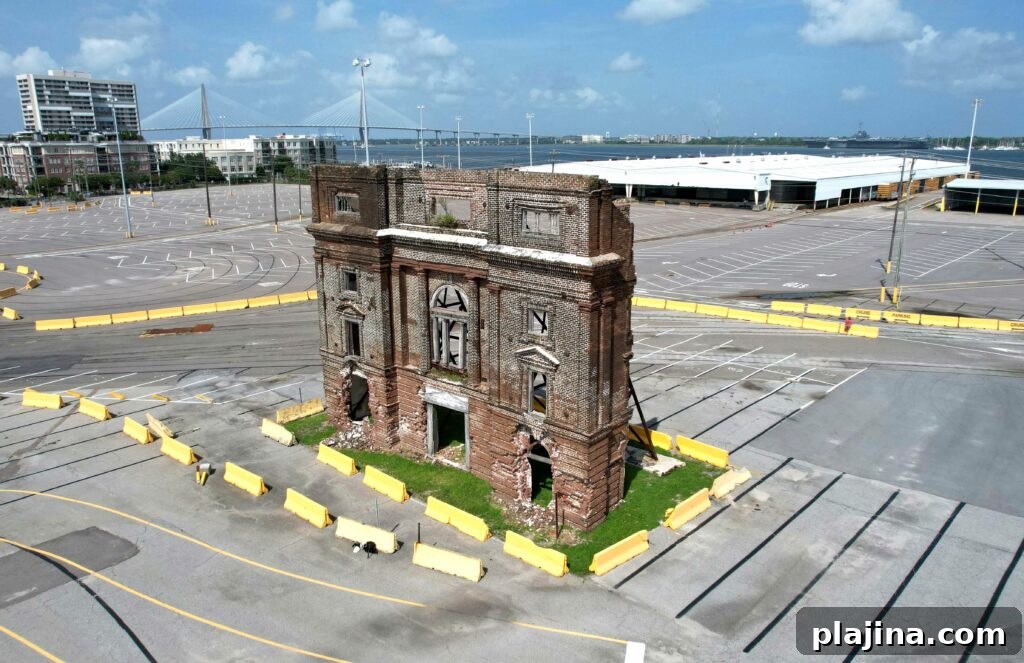
Union Pier, a 65-acre waterfront site along the Cooper River in downtown Charleston, has served maritime shipping, industrial production, and port operations since the early 18th century. The South Carolina Ports Authority has proposed selling the pier to a private developer for a mixed-use district. Such redevelopment could alter historic character, disrupt important viewsheds, and compromise the area’s resilience to climate impacts if not sensitively planned.
The Seattle Chinatown-International District is one of the West Coast’s oldest Asian American neighborhoods and has anchored cultural life for more than a century. Current transit expansion options under consideration by Sound Transit could affect transportation access and the community’s cultural preservation, prompting calls for planning that protects the district’s heritage while improving mobility.