
Once labeled the “End of the World” or the “Untouchable Continent,” Antarctica welcomed 51,707 passengers between 2017 and 2018, reflecting how travel to this remote region has moved steadily into the spotlight. That shift owes much to one pioneer whose vision was to bring curious, education-minded travelers to remote places aboard small expedition ships.
In 1966 Lars-Eric Lindblad led the first tourist expedition to Antarctica, establishing a template for future voyages: small ships, French-made inflatable Zodiac boats for shore access, and a knowledgeable crew that included naturalists and lecturers to help guests understand the environment they were visiting. Lindblad had launched Lindblad Travel in 1958 and continued expanding expedition offerings, driven by a passion for exploration and environmental stewardship.
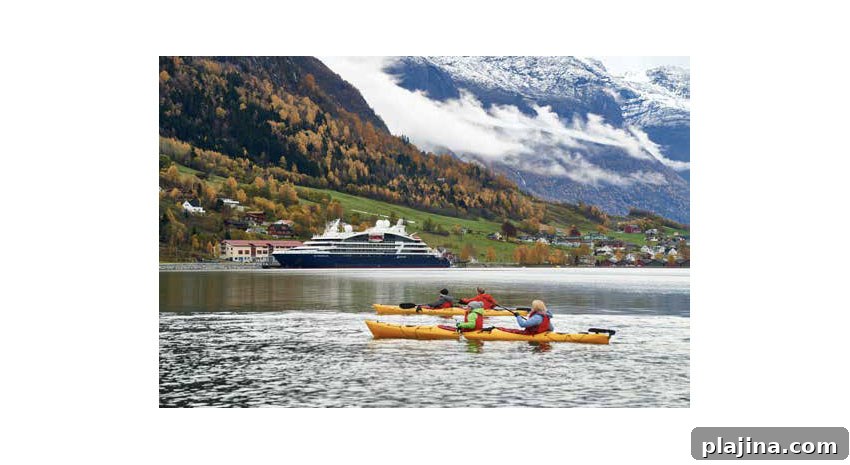
Often called the father of ecotourism, Lars-Eric Lindblad passed the adventurous torch to his son, Sven-Olof Lindblad, who developed the company into the modern Lindblad Expeditions. In 2004, Lindblad Expeditions formed a partnership with National Geographic to offer immersive, educational journeys across all seven continents. Together, they pioneered experiences that blended cultural awareness and environmental responsibility, introducing early kayaking programs in the Arctic, Antarctica and the Galápagos, and launching undersea exploration initiatives.
Today, Lindblad Expeditions emphasizes photography and interpretation: every expedition includes a full-time, certified National Geographic photo instructor, and the National Geographic Explorer and National Geographic Orion sail with a National Geographic photographer on each departure. These professionals mentor guests and help them capture meaningful photographs to bring home.
Aboard Lindblad voyages, education and expert access remain central. Passengers regularly interact with scientists, researchers, explorers and photographers who join trips to deepen understanding of local ecosystems, history and culture. The company maintains a staff-to-guest ratio of no more than one to 16, ensuring ample opportunities for one-on-one conversations with onboard experts.
Itineraries span all seven continents and often combine multiple destinations in a single voyage. Notable options range from a 13-day Passage Through Egypt and a 14-day Journey to Antarctica: The White Continent, to an eight-day Sailing the Caribbean. Once aboard, most fares cover a broad array of services: meals and non-alcoholic beverages, filtered water, snacks and hors d’oeuvres during daily recaps, fitness center access, library resources and onboard physician services. Some ships extend the all-inclusive concept to include bar tabs, gratuities and WiFi. Onshore benefits commonly included in the fare are complimentary excursions, hotel arrangements when included in the itinerary, meals ashore, entrance fees, transfers and onboard presentations.
What distinguishes Lindblad Expeditions is the consistent focus on education, expert staffing and responsible travel practices. Each year the company expands its program offerings, giving travelers more opportunities to explore remote places responsibly, learn from leading specialists, and return home with lasting memories and a deeper appreciation for the natural world.