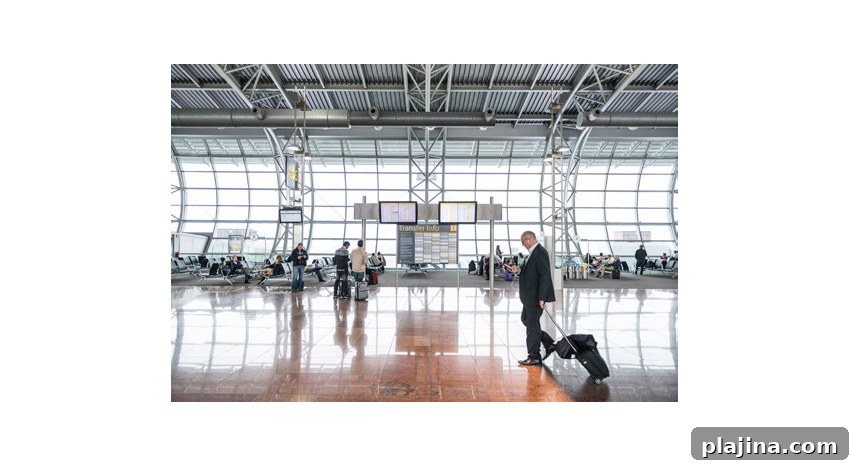
In March 2016, Brussels Airport suffered a coordinated terrorist attack when two bombs exploded, forcing the airport to close for an unprecedented 13 days. Long-haul flights were diverted to other European hubs, and reopening was repeatedly delayed because of extensive damage to the terminal and infrastructure.
Nearly a year later the airport reopened with reinforced safety measures and improved operations. During a late-July visit to Brussels Airport, I met with Brussels Airlines officials to discuss how both the airline and airport adapted after the attacks. The airline and airport work closely together to ensure operational resilience and passenger confidence.
Before March 2016, Brussels Airport had been one of Europe’s fastest-growing hubs, posting double-digit growth early that year. The aftermath of the attack brought a sharp downturn—traffic dropped by about 60 percent in April and May—but by June 2016 the airport began recovering, registering a 4 percent increase in traffic. The facility returned to full operational capacity by mid-June, with business travel rebounding more quickly than leisure travel.
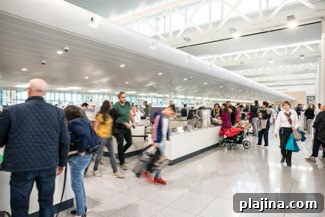
Security screening © BRUSSELS AIRPORT COMPANY
Even before the attacks, Brussels Airport had invested in advanced security screening technology. The terminal features 24 security positions—one of the largest and fastest configurations in Europe. Screeners operate from a remote room, using high-resolution scanners that indicate precisely where to inspect a passenger’s belongings if something appears suspicious. Automated conveyors route carry-ons into different lanes depending on whether they are cleared or require additional checks, reducing delays for passengers who pass initial screening and segregating items that need further inspection. The overarching aim is to create an efficient, predictable flow through security.
After the attacks, Brussels Airport consulted with security experts, including representatives from Ben Gurion International Airport, to upgrade protective measures. Key changes include limiting vehicle access: private cars can no longer pull up to the terminal entrance, and drop-offs are positioned roughly 260 feet away. Passengers now move through an initial security screening outdoors as they approach the building, and approaching vehicles are subject to license plate recognition and road checks to detect potential threats before they reach the terminal perimeter.
Brussels Airport’s central location in Europe makes it a natural connecting hub, and its streamlined processes help travelers move from curb to gate efficiently—often in 45 minutes or less. While perceptions from the attack linger for some, the airport and Brussels Airlines continue to invest in passenger experience, resilience, and above all, safety.
Looking forward, Brussels Airport’s Strategic Vision 2040 outlines a long-term plan for the airport and the wider region. The initiative aims to grow employment associated with the airport to around 120,000 jobs by 2040, expand import and export opportunities, and strengthen Belgium’s role in international trade and connectivity. The plan emphasizes dialogue with local stakeholders, environmental responsibility, and thoughtful development that balances operational growth with community needs.