
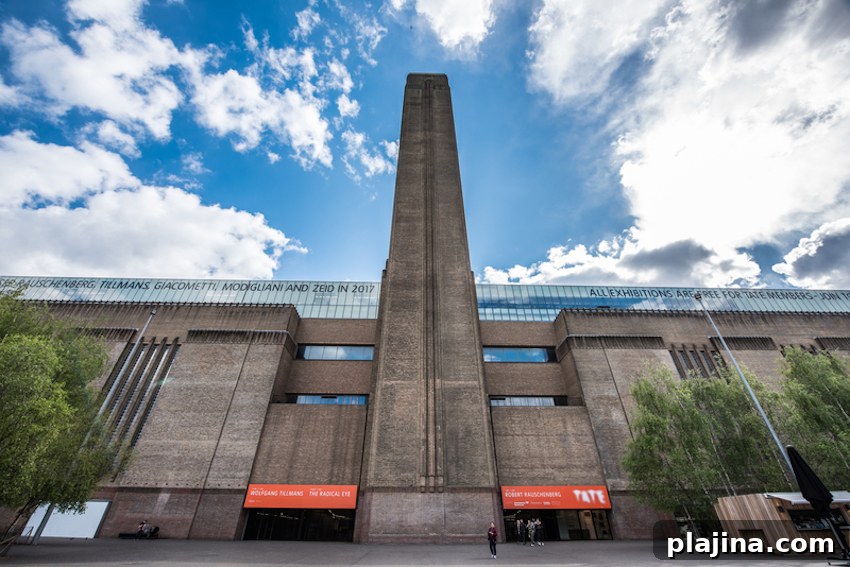
Until May 6, visitors to London can visit Tate Modern to see “The C C Land Exhibition: Pierre Bonnard: The Colour of Memory,” a major retrospective of the French artist Pierre Bonnard. The show brings together around 100 of his most beloved landscapes and domestic scenes, drawn from museums and private collections worldwide. This is the first time in twenty years that a large selection of Bonnard’s work has been displayed in the United Kingdom. Highlights include the pastoral Summer 1917 and the urban Piazza del Popolo, Rome 1922, offering a broad view of his range.
A contemporary and friend of Henri Matisse, Bonnard had a significant influence on later generations of painters. His work often approaches abstraction through deliberate acts of painting from memory, producing images that are both intimate and emotionally resonant. Many of his paintings responded to the upheavals of the First and Second World Wars, filtered through his personal perspective rather than literal documentation.
One recurring subject throughout Bonnard’s career was his wife, Marthe de Méligny. Frequently unwell, she underwent hydrotherapy and became the focus of many of his most intimate compositions—scenes of bathing, dressing and quiet domestic life rendered with sensitivity and private feeling. The Tate Modern exhibition is curated by Matthew Gale, head of displays, with assistant curators Helen O’Malley and Juliette Rizzi, who have assembled works that trace Bonnard’s evolving approach to colour, memory and everyday subject matter.
Visitors to the exhibition can expect a carefully organized presentation that highlights Bonnard’s use of colour to convey mood and recollection. The paintings often trade strict realism for a more subjective logic: tones, light and compositional choices are shaped by recollection and emotion, making each canvas feel like a memory made visible. This exhibition provides an opportunity to see how Bonnard balanced domestic intimacy with broader landscapes and city scenes, and to appreciate his contribution to modern painting.
Displayed together, the selected works reveal recurring motifs—interior spaces, gardens, seaside views and urban scenes—that Bonnard revisited throughout his career. The selection emphasizes how his late works, in particular, intensified colour and loosened form, leading some later artists to cite him as a formative influence. Curators have arranged the rooms to guide visitors through thematic and chronological stages of his practice, allowing both newcomers and long-time admirers to experience the rhythms of his creative life.
If you are in London before May 6, the Tate Modern presentation of “Pierre Bonnard: The Colour of Memory” offers a timely chance to explore an artist who turned private experience into a rich public language of paint. The exhibition not only reunites important works from across the world but also invites reflection on memory, intimacy and the ways colour can shape our recollection of place and people.