
With dramatic landscapes, rich folklore and unpredictable weather that can deliver all four seasons in a single day, the Faroe Islands in the North Atlantic rank among the world’s most extraordinary destinations. What makes Denmark’s Faroe Islands worth a visit?
© Visit Faroe Islands
Interesting Accommodations
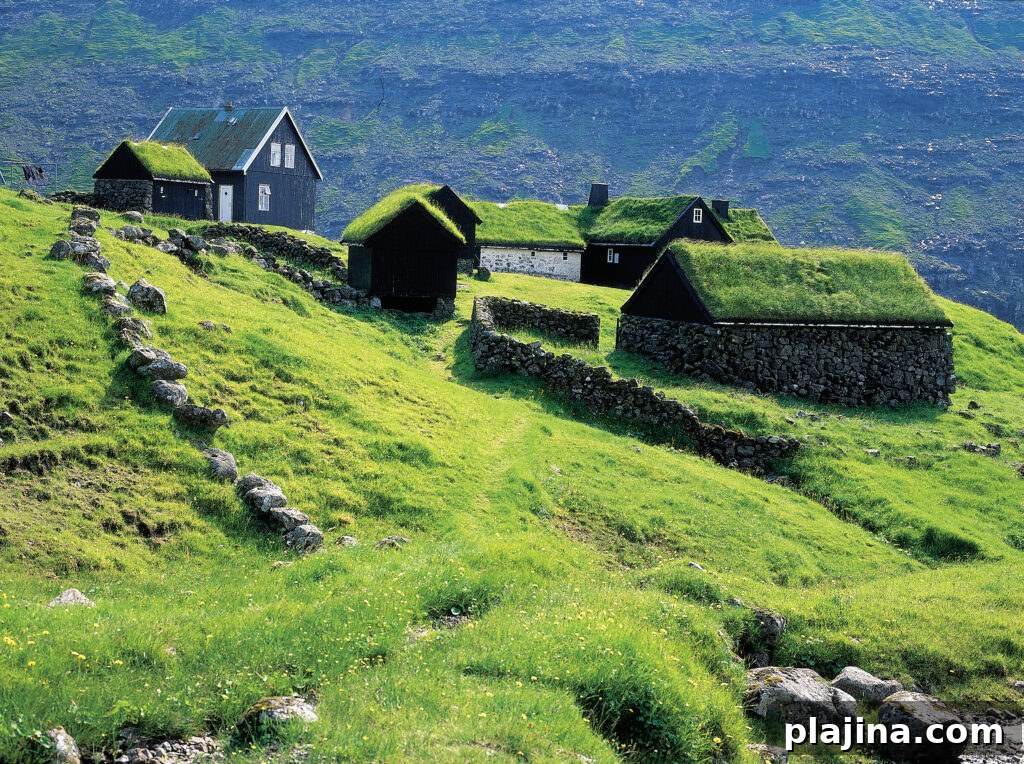
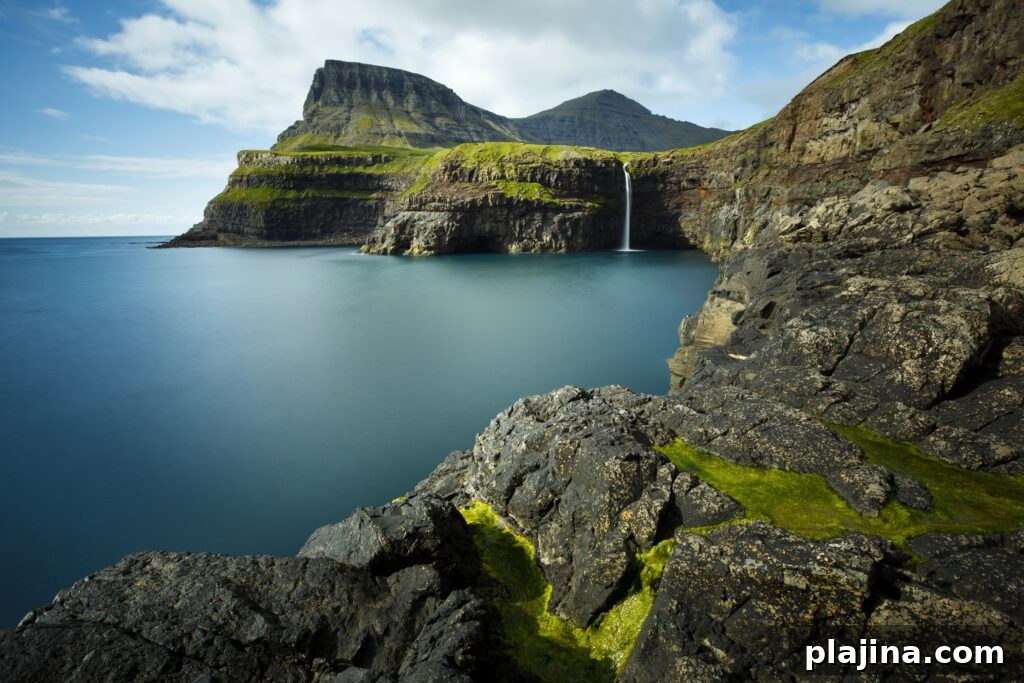
Embracing traditional Faroese architecture with dark wooden cladding and turf roofs, The View offers a cluster of remote cottages in the village of Bøur. Set on a working farm where chickens, ducks, dogs, sheep and cows are part of daily life, these cottages sleep up to four guests and provide fully equipped kitchens, Wi‑Fi and modern climate control—plus spectacular views. They are also located just a few miles from Gásadalur and the iconic Múlafossur waterfall.
Kalsoy Cottages, situated in Mikladalur village, present another distinctive option. Newly built with contemporary interiors, these properties deliver exceptional panoramas and a convenient base for exploring Kalsoy island, from local food experiences and Faroese-style tapas to visits to the lighthouse at Trøllanes.
© Visit Faroe Islands
Discover Island Culture with Social Knitting
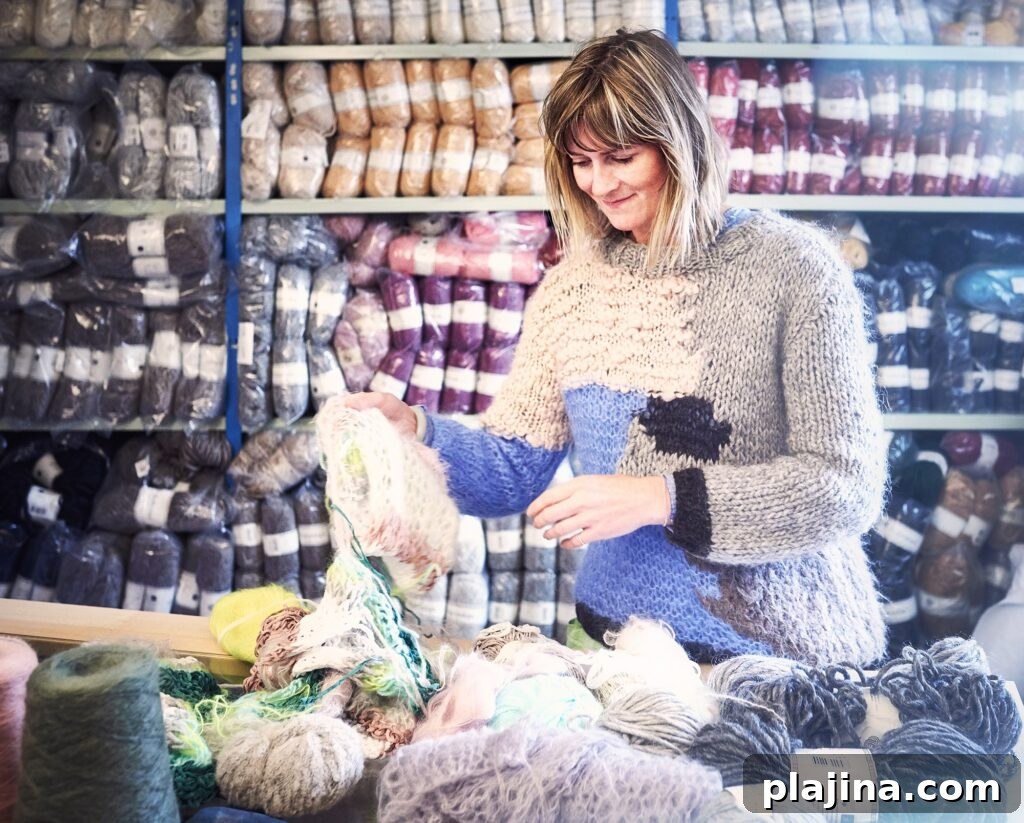
Skyming knitting club opens a window into Faroese culture and daily life. Join a three-hour bindiklubbur session, where the steady rhythm of knitting needles accompanies conversation and storytelling. These gatherings are a relaxed way to connect with locals and learn about traditional techniques, patterns and the social role knitting plays across the islands.
Nordic House in the Faroe Islands
Located in Tórshavn, the Nordic House is the islands’ leading cultural institution. It promotes Faroese and wider Nordic culture through rotating exhibitions, performances, lectures and community events, making it a vital hub for contemporary and traditional artistic life.
© Visit Faroe Islands
Landscapes Rich in Lore
Stories and legends are woven into the Faroes’ landscape and local identity. One well-known tale tells of Kópakonan, the seal woman who, after losing her seal skin and briefly living on land, returned to the sea only to have her companions and offspring killed by villagers. The legend says she cursed the community, and descendants of the union between the seal woman and a farmer are traditionally said to be born with webbed toes. Another myth, Risin & Kellingin, recounts an Icelandic giant and witch who tried to steal the Faroe Islands, with rock formations and coastal features often referenced as evidence of ancient supernatural events.
The archipelago is dotted with places where folklore and natural features meet, offering a layered experience for visitors who enjoy both nature and narrative.
Magnus Cathedral
In Kirkjubøur stands the ruins of Magnus Cathedral, begun in the early 14th century and recognized as the largest medieval building in the Faroe Islands. The site is significant historically and culturally and houses the only known relic associated with St. Thorlak of Iceland, making it a must-see for history enthusiasts.
© Visit Faroe Islands
New Exhibition at the National Gallery of the Faroe Islands
The National Gallery’s Thread exhibition explores textile and material art—wool, yarn, fabric, nylon, even VHS tape—woven and knitted into immersive installations that engage floors, walls and ceilings. The exhibition presents innovative uses of common materials to create atmospheric, tactile environments and runs through March 6, 2025.
New Flights to the Faroe Islands in 2025
Accessibility to the islands will improve in summer 2025 when Atlantic Airways introduces a non-stop service between London Gatwick (LGW) and Vágar Airport (FAE). The seasonal schedule runs twice daily from May 31 to August 30, making summer travel to the Faroes easier for international visitors.