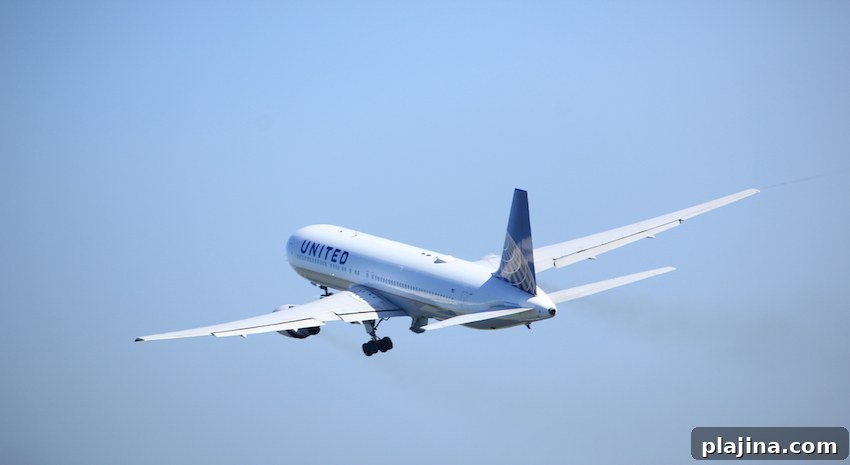
An episode of severe turbulence injured at least 10 people aboard a United Airlines flight last month. Nine passengers and one crew member required medical attention on the ground after the flight from Panama City, Panama (PTY), to Houston (IAH) encountered turbulence while flying over Mexico.
“United Flight 1031 experienced turbulence while en route from Panama City, Panama to Houston,” the airline said in a statement. “Paramedics met the aircraft to provide medical care and initial reports are that nine customers and one crew member were transported to the hospital for evaluation. Our thoughts and concerns are with those who were injured and our team is reaching out directly to our customers to provide further care and support.”
The incident followed a similar event on China Eastern Airlines two days earlier. That flight, operating from Paris (CDG) to China, encountered turbulence and left several people injured, four of them seriously.
While turbulence can be alarming, it is a common, naturally occurring phenomenon and rarely threatens the integrity of an aircraft. Injuries do occur, typically when passengers or crew are unseated or not wearing seat belts during sudden movements. Aviation authorities and airlines emphasize the importance of keeping seat belts fastened while seated and following crew instructions to reduce the risk of injury.
After turbulence-related incidents, airlines and emergency services often coordinate to evaluate and treat affected passengers and crew. Investigations may follow to determine weather conditions, flight altitude, and any contributing factors, but such events seldom indicate a broader safety failure. Passengers concerned about turbulence can minimize risk by fastening seat belts, securing carry-on items, and following preflight safety briefings.
Both passengers and crew play a role in safety during turbulent conditions: crew members can suspend service and advise everyone to remain seated, while passengers can heed warnings and avoid moving about the cabin. In most cases, these precautions are sufficient to prevent serious harm.