
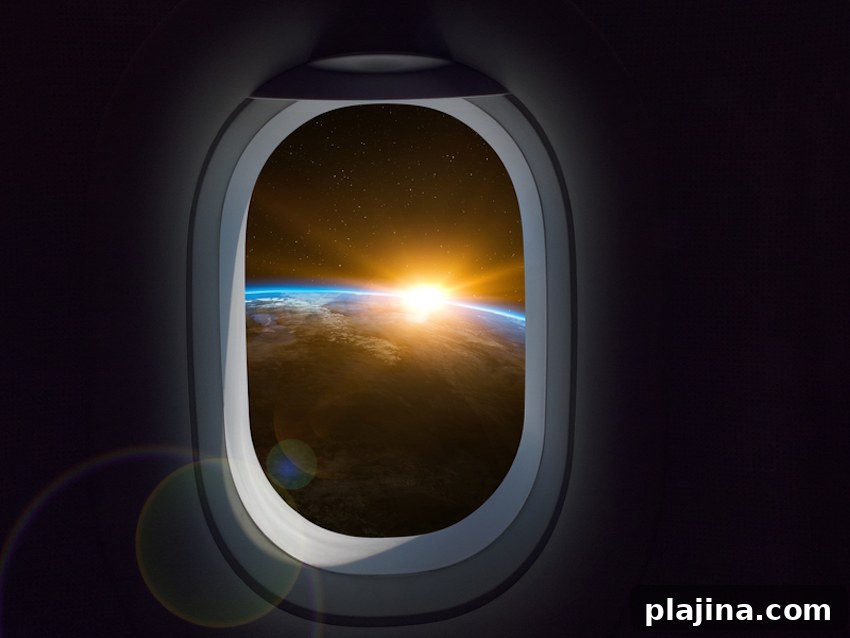
Could spacecraft compete with airlines on long-haul routes? According to a UBS report, that possibility could arrive as early as 2030.
UBS projects the private spaceflight sector could grow from roughly $400 billion today to about $805 billion over the next decade. Within that expansion, space tourism is expected to be a meaningful segment, and point-to-point long-distance transport by rocket could emerge as a new market worth billions.
The analysis suggests rocket point-to-point travel may begin to rival conventional airlines on journeys that now take roughly 10 hours or more. For instance, a trip that typically takes 15 hours—New York to Shanghai—could be reduced to under an hour by rocket, with estimated transit times on the order of minutes rather than hours.
“While space tourism is still at a nascent phase, we think that as technology becomes proven, and the cost falls due to technology and competition, space tourism will become more mainstream,” wrote Jarrod Castle and Myles Walton, analysts at UBS. They argue that expanding consumer demand for space experiences could pave the way for broader adoption of space-based transport.
The report also highlights that if long-distance rocket transport becomes viable and cost-effective, it could disrupt established aviation markets. The authors note the potential for this emerging industry to draw passengers away from conventional airlines on routes where time savings are substantial.
Key factors will determine whether rocket travel moves from concept to daily reality: technological maturation, safety certification, regulatory frameworks, infrastructure such as spaceports, and a sustainable economic model that brings prices toward affordability for a wider customer base. Progress on reusable launch vehicles, rapid turnaround, and reduced operating costs will be essential for turning one-off flights into a reliable, frequent service.
Other considerations include environmental impacts, noise and sonic boom management near populated areas, and the logistical challenges of integrating new point-to-point services with existing airport and ground-transport networks. Public acceptance and passenger comfort on high-acceleration flights will also influence demand.
UBS’s outlook is ambitious but cautious: the infrastructure and market shifts required are significant, yet if they occur, the result could be a reshaped landscape for long-distance travel, where rockets supplement or even replace some traditional airline routes on the longest segments.