
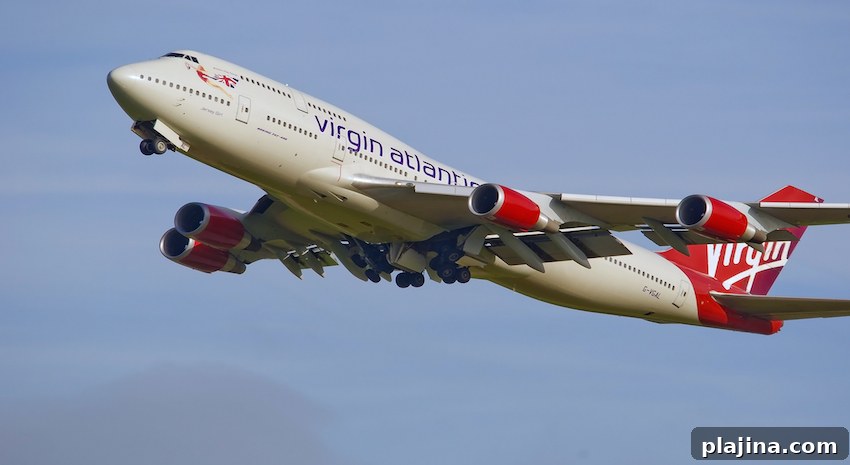
Richard Branson, who sold Virgin America to Alaska Airlines in December for $2.6 billion, expressed disappointment when Alaska announced it would retire the Virgin America brand in 2019.
Could Branson be hinting at launching another airline?
The CEO pointed out that Alaska Airlines is required to pay royalties for the Virgin America name “unless we decide to start another airline. So, we’ll see what happens.”
When asked whether he planned to create a successor to Virgin America, Branson replied, “Watch this space.”
Branson and Alaska Airlines are currently in a dispute over those royalty payments. Alaska contends it should not be required to pay for a brand it no longer uses, while Branson maintains that the Seattle-based carrier is obligated to continue payments under the agreement through 2040.
Industry observers say the move raises questions about Branson’s next steps. Samuel Engel, an aviation consultant, suggested Branson might be looking to replicate aspects of Virgin America’s success. “There’s always space for another airline in the U.S.,” Engel said. “The market is competitive and dynamic. Consolidation over the past decade, combined with capacity constraints, can create openings for new entrants.”
If Branson were to re-enter the U.S. market, he would face a complex landscape: entrenched legacy carriers, low-cost competitors, tight airport slots in major cities, and evolving regulatory and environmental standards. Still, the Virgin brand’s reputation for customer experience and innovation could be an advantage if leveraged carefully.
For now, the situation centers on the legal and financial dispute over royalties and whether Branson’s remarks signal concrete plans or are simply a negotiation tactic. Alaska’s decision to retire the Virgin America name closes a chapter, but the disagreement over payments and Branson’s public comments leave open the possibility of new developments in U.S. commercial aviation.