
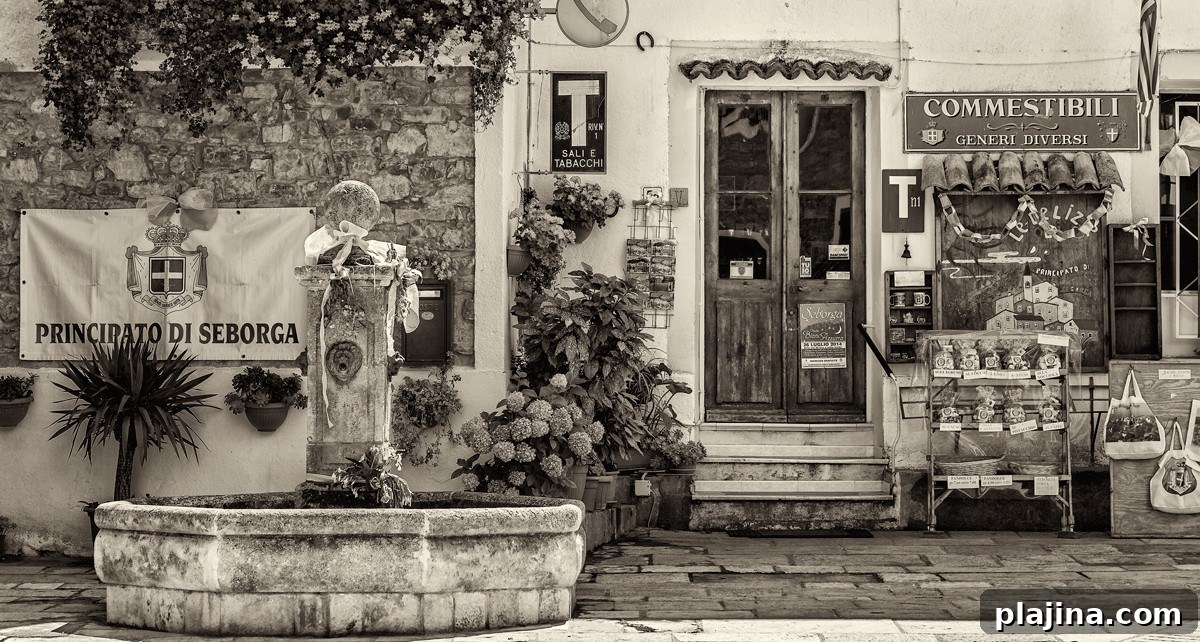
“Micronations are a fascinating phenomenon. In essence, a micronation is a territory—often very small—claimed by an individual or a group who assert it does not belong to any recognized government but to their own community. These self-declared states typically appoint leaders, create their own flags and symbols, issue local currencies, observe unique holidays, and sometimes even run independent postal systems. While many micronations are short-lived or largely symbolic, some persist and develop distinct identities that attract curious visitors.
Visiting a micronation can be an unusual and memorable travel experience. Some are open to tourists and welcome visitors who want to learn about their history, customs, and creative nation-building efforts. Others exist primarily as private projects or artistic statements, with limited access, but still draw attention online and in niche travel guides. The variety among micronations is vast—some are founded on humor or satire, others on political protest, cultural preservation, or simply the desire to create an experiment in self-governance.
Many micronations form communities around shared ideals. They may hold ceremonies, publish newsletters, and maintain websites that outline their laws, citizenship processes, and cultural events. Although their claims are rarely recognized by established states or international bodies, micronations often cultivate a strong sense of identity and pride among participants. This sense of belonging can be compelling for travelers interested in unconventional destinations and alternative forms of social organization.
For prospective visitors, practical considerations vary. Some micronations are situated within a larger country’s borders and involve little more than a visit to a marked site or museum exhibit. Others occupy remote land or private property, requiring advance permission, an appointment, or adherence to local rules. Researching each micronation’s access policies, visitor guidelines, and any required etiquette can make the experience smoother and more respectful.
Photographs, souvenirs, and symbolic “passports” or stamps are common attractions. Many micronations create merchandise, certificates, or commemorative items that appeal to collectors and travelers looking for a unique memento. Engaging with residents—when possible—offers the best insight into the community’s story, motivations, and ongoing projects.
While exploring micronations, it’s important to balance curiosity with respect for local laws and land ownership. Even when a micronation claims independence, it typically exists within the jurisdiction of an established state, and visitors should be mindful of applicable regulations. Treating these places with courtesy helps preserve their creativity and encourages positive interactions between micronation founders and the wider public.
Ultimately, micronations offer a window into human imagination and the many ways people experiment with identity, governance, and culture. Whether you encounter a tiny community celebrating its own national day, a whimsical artistic project, or a long-standing alternative society, a visit to a micronation can add an intriguing chapter to your travels.”
Read more at trazeetravel.com.