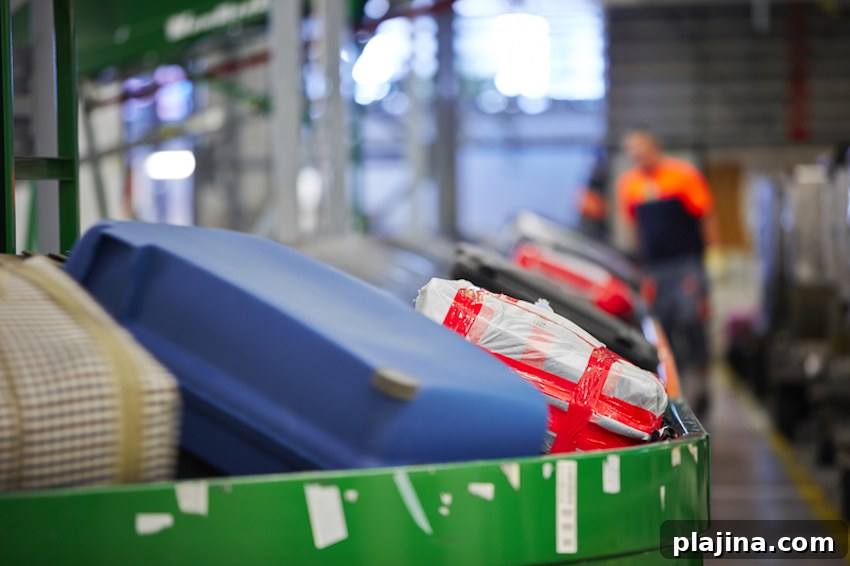
Some U.S. lawmakers are pressing airlines to explain why fees for checked baggage and ticket changes have risen.
Senators Ed Markey and Richard Blumenthal, together with Representative Steve Cohen, requested that major carriers provide detailed estimates of their actual bag-handling costs and the administrative expenses involved in changing flights. The lawmakers want to know whether those costs have grown over the past decade.
They noted that many travelers see a low base fare at booking but end up paying substantially more in fees for services like checked bags and last-minute changes.
According to industry data, airlines collected roughly $4.6 billion from checked-bag fees in 2017, an increase of about 30 percent compared with 2012. Unlike base airfares, which are subject to federal taxes, checked-bag fees are not taxed in the same way.
Airlines for America, the trade association representing major U.S. carriers, defended the practice of charging for checked bags. A spokesperson, Alison McAfee, said that fees and surcharges can help airlines generate revenue or offset costs for services that some passengers don’t use, allowing carriers to cope with an operating environment where costs have been rising.
Several airlines, including Alaska Airlines, JetBlue and United Airlines, recently raised the price for a first checked bag from $25 to $30, illustrating the trend lawmakers are scrutinizing.
The lawmakers’ request for cost breakdowns aims to shed light on whether fee increases reflect genuine higher costs or are being used to boost airline profits. If carriers provide the requested documentation, it could influence whether lawmakers seek regulatory or legislative changes to how ancillary fees are disclosed or taxed.
For travelers, the issue highlights the importance of reviewing total trip costs—not just the advertised base fare—before booking. Fees for services such as checked luggage, seat selection and ticket changes can add significantly to the final price, and transparency about those charges remains a key point of contention between consumers, lawmakers and the airline industry.