
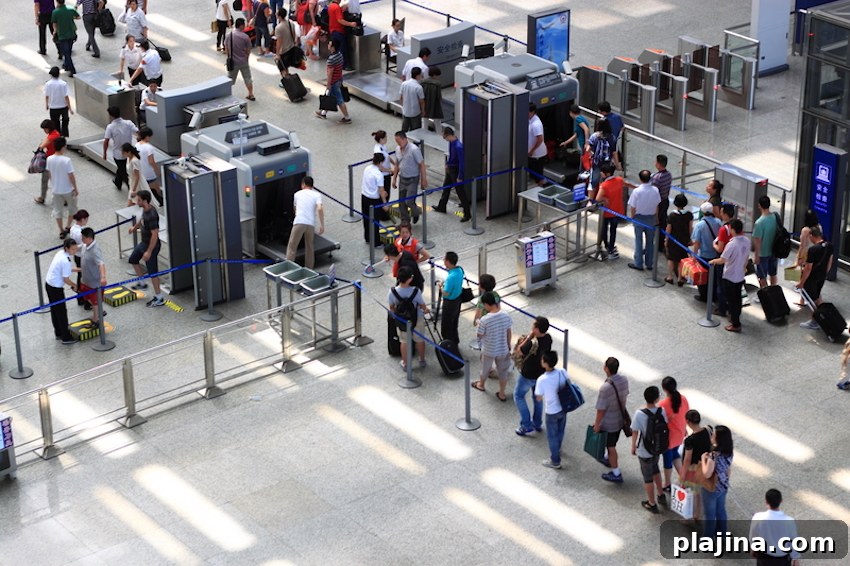
The Transportation Security Administration (TSA) has expanded its TSA PreCheck expedited screening program by adding nine new domestic and international carriers. The newly enrolled airlines are Air India, Asiana Airlines, China Airlines, Eastern Airlines, Elite Airways, EVA Air, Japan Airlines, TAP Air Portugal, and Volaris. With these additions, the program now includes 65 carriers across domestic and international routes.
“I am pleased to welcome these new partners to the TSA PreCheck program,” said Administrator David Pekoske. “By continuing to expand TSA PreCheck, and engaging more and more with our international partners, we are increasing the overall effectiveness of the security we provide, raising the baseline of global aviation security and improving the passenger experience.”
TSA PreCheck speeds up airport screening for low-risk travelers at more than 200 airports nationwide. When using PreCheck lanes, eligible passengers generally do not need to remove shoes, laptops, compliant 3-1-1 liquids, belts, or light jackets, which streamlines the security process and reduces wait times. This year, 94 percent of passengers using TSA PreCheck lanes experienced waits of less than five minutes.
In addition to passengers who enroll directly in TSA PreCheck, travelers who belong to any of the U.S. Customs and Border Protection Trusted Traveler programs—Global Entry, NEXUS, and SENTRI—are also eligible for PreCheck benefits. The program also extends expedited screening to U.S. Armed Forces service members, including those in the Coast Guard, Reserves, and National Guard.
The ongoing expansion of airline participation and international collaboration aims to improve passenger throughput while maintaining a strong security posture. As more carriers join, travelers on participating routes can expect wider availability of PreCheck lanes, better predictability in screening times, and a smoother airport experience overall.
Passengers interested in PreCheck should verify eligibility and enrollment requirements through official channels, and ensure their frequent flyer profiles include the Known Traveler Number (KTN) where applicable to receive the benefit when booking flights with participating airlines. With broader adoption among carriers, the program continues to support efficient travel for qualifying low-risk travelers while preserving robust security standards.