
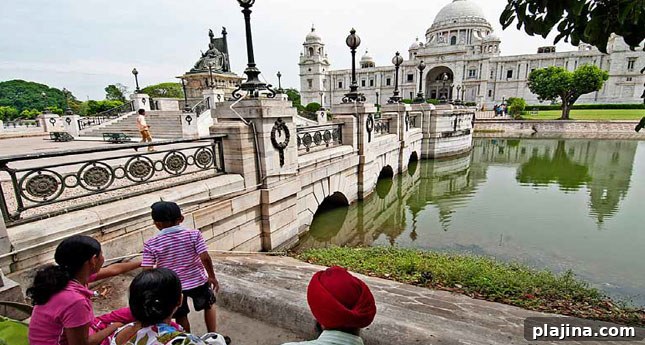
Exhilarating and intense, Kolkata is a vibrant city of striking sights, aromas and sounds that can easily take your breath away. Crowded streets, busy traffic and a constant hum of activity give the city an energetic, always-on character. Kolkata is direct and lively — never dull.
Formerly known as Calcutta, Kolkata sits on the east bank of the Hooghly River. As the capital of West Bengal, it serves as the primary commercial and financial center of eastern India and a key gateway for the country’s northeastern states. Many major Indian companies maintain substantial operations here, so business travelers frequently visit the city.
Kolkata’s economic roots date to the colonial era, when it served as the capital of British India and the hub for trade in the eastern empire. After independence, industrialization accelerated economic growth, though the city faced setbacks in the 1970s. Economic reforms introduced in 1991 — including lower tariffs and fewer controls on foreign trade and investment — helped revive growth and encourage renewed private and foreign investment.
India today is among the world’s fastest-growing economies, supported by a young population, a growing middle class and significant infrastructure needs. Kolkata’s key industries include electronics and information technology, textiles, pharmaceuticals, heavy engineering and tea production. The city is also home to the Calcutta Stock Exchange, one of India’s oldest exchanges.
U.S. citizens need a visa to enter India; frequent travelers often find a 10-year visa the most convenient option.
Although Bengali is the official language, most residents also speak Hindi and English. Business visitors will generally find good English proficiency among colleagues and contacts.
The local currency is the Indian rupee. Carrying smaller bills and coins is useful for taxi fares and tips. ATMs are widely available, but be aware of service fees and exchange commissions. Using credit cards where accepted can simplify transactions, particularly at hotels, restaurants and boutiques.
Tipping practices vary: upscale restaurants and cafés often include a service charge, in which case additional tip is not required. When no service charge is added, a 10 percent tip is customary. Porters at 4- and 5-star hotels typically receive about 5 rupees per bag, and rounding taxi fares up to the nearest 10 rupees is standard.
Merchants at Kolkata’s flower market © Ellen Clark
Weather in Kolkata changes dramatically through the year. Temperatures begin to rise in April, with humidity peaking from June to September during the monsoon season. The most comfortable months are generally October through March, when conditions are cooler and drier.
Dress conservatively in Kolkata, especially for business. Local professionals tend to favor formal attire; men commonly wear suits and ties despite the heat, and women should opt for modest professional clothing. A well-tailored suit is usually appropriate for business meetings.
Transport options include buses, the Metro Rail and hand-pulled or automatic rickshaws, but taxis are often the simplest choice. Bright yellow taxis are common and affordable. Although many cabs have meters, drivers may prefer negotiated fares, so consult your hotel concierge or a local about a reasonable price and agree on the fare before starting the trip.
Business travelers generally prefer to stay near the main commercial areas around Park Street. Prominent hotel options include Taj Bengal and The Oberoi Grand, both known for excellent service and convenient locations. Taj Bengal blends contemporary design with antiques and original artworks, while The Oberoi Grand combines Victorian and Indian architectural elements and has a longstanding reputation for refined hospitality. More budget-conscious business visitors may consider Hotel Lytton, which offers a business center and competitive rates.
Business culture in Kolkata places strong emphasis on efficiency, and business lunches are common. Restaurants near Esplanade and Park Street — the city’s commercial hubs — often fill with professionals at midday. While lunch remains the preferred time for business discussions, power breakfasts and evening business dinners have become more frequent. Five-star hotels and upscale downtown restaurants are popular venues and can be crowded, so reservations are recommended.
Top venues for hosting clients include The Oberoi Grand and The Park Hotel, both praised for excellent food and attentive service. Downtown favorites also draw business crowds: Peter Cat, established in the 1960s, is famous for its chelo kebab, a generous rice-and-kebab platter topped with butter and poached eggs. For regional cuisine, Aaheli at The Peerless Inn specializes in Bengali dishes, while the Oceanic coffee shop at The Peerless Inn operates 24 hours — a convenient choice for early breakfasts or late meetings.
When planning visits to Kolkata for business, anticipate a dynamic urban environment, prepare for warm weather and humidity during the summer months, and choose central accommodations to minimize travel time between meetings. With a mix of historic charm and modern commerce, Kolkata offers a distinctive setting for business and cultural engagement.