
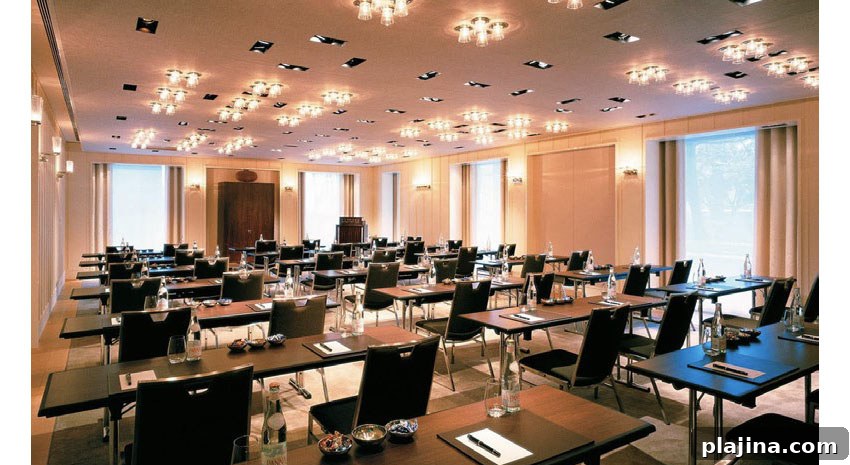
“MADE IN TAIWAN.” For many Western visitors those words are familiar, but over the past decade Taipei City’s government and business community have reshaped what the phrase represents—bringing fresh energy, opportunity and recognition to the city.
Statistics from the Taiwan Tourism Bureau show this transformation in numbers. Overall arrivals exceeded 10.4 million in 2015 and rose to nearly 10.7 million in 2016. Business-related travel—meetings, conferences and corporate visits—accounted for roughly 833,415 arrivals in 2015 and about 812,548 in 2016, underscoring Taipei’s growing role as a meeting and incentive destination.
“Taipei offers a mix of Asian culture and modern business amenities,” says Paul Ou, communications manager at Grand Hyatt Taipei. The hotel’s expansive ballrooms and diverse dining options make it a natural fit for international conferences. For North American companies and meeting planners seeking a foothold in Asia, Taipei delivers strong value: luxury hotel rooms and meeting spaces can be about 10 percent less expensive than comparable facilities in Tokyo or Hong Kong, which becomes significant for large events and extended stays.
Geography and transport links are also major advantages. Taiwan Taoyuan International Airport and Taipei Songshan Airport serve as gateways to Asia, with Taoyuan handling about 5 million passengers and nearly 60,000 flights annually. The Taipei Metro and Taoyuan Metro provide efficient connections across the city and to major attractions, while the YouBike bike-share program, launched in 2009, offers a convenient, healthy way for visitors to explore Taipei on their own or as part of team-building retreats.
“Taiwan is a leader in Asia’s technology sector, and Taipei, as the capital and financial hub, plays an important role in the region,” says Brad Shih, director of the Taiwan Tourism Bureau’s Los Angeles office. As Taipei continues to grow rapidly, it creates more opportunities for local companies to connect and collaborate with international partners, strengthening the city’s global presence.
Major, cross-industry exhibitions and conventions take place at Taipei Nangang Exhibition Center Hall 1 in the Xinyi district. The venue provides about 490,000 square feet of exhibition space and capacity for more than 18,000 attendees. Since opening in 2008, the center—also known as TWTC and TaipeiEx—has been recognized for sustainable construction and operations, earning ISO 20121 certification. Hall 2 is expected to expand the center’s capabilities, and together both halls will host up to 5,000 booths when fully completed.
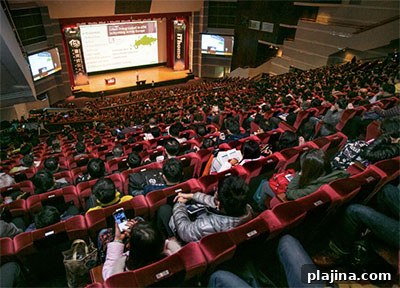
The Plenary Hall at Taipei International Convention Center © TAIPEI INTERNATIONAL CONVENTION CENTER
Xinyi also hosts the Taipei International Convention Center, open since 1989, which stages roughly 850 major conventions and events each year. The convention center sits beside the Taipei World Trade Center, operated by the Taiwan External Trade Development Council since 1986. Outside the city center, the Taoyuan Aerotropolis Vision Hall is under construction with plans to open in the early 2020s as part of a larger mixed-use development that integrates green energy and smart-city solutions. Project leaders emphasize efficiency and sustainability, aiming to meet standards for low energy use, low pollution and low water consumption while delivering high added value.
Taipei’s cultural, historical and outdoor attractions also serve corporate groups well. Taipei 101 includes a private event space near the tower’s summit and top-tier dining. The National Palace Museum pairs world-class exhibits with the Silks Palace Restaurant, which offers elaborate dining inspired by imperial treasures. For serene outdoor retreats, the Maokong Gondola climbs from Taipei Zoo to a mountaintop tea village, while local experiences like tea tasting at Yoshan Tea Qingtian Club or hiking Elephant Mountain provide relaxed team activities and scenic views.
Urban creative hubs such as Huashan Cultural and Creative Park and Songshan Cultural and Creative Park—both adaptively reused industrial sites—offer inspiring settings for events and networking. Hotels like The Mandarin Oriental, Taipei, blend luxury service with green practices and creative culinary programs, while the Grand Hyatt remains a longstanding partner with local trade organizations to attract international meetings to the city.
UNIQUE VENUES
Food-focused tours are a memorable way for visitors to discover Taipei. Taipei Eats Tours offers guided culinary walks that introduce neighborhoods off the main tourist routes. Those tours act as social icebreakers for business groups, allowing participants to engage with locals and sample night-market specialties tailored to dietary preferences.
In the Beitou district, The Gaia Hotel provides boutique business accommodations with luminous public spaces, a strong wine and dining program, panoramic terraces and well-equipped meeting rooms. Its notable feature is the integration of natural hot springs—public soaking areas, private rooms and a therapeutic pool fed by white sulfur springs historically prized by the local community—making the property appealing for wellness-focused corporate retreats.