
As cruise ships grow larger, they are also becoming greener. This shift toward more eco-friendly cruising comes as the industry faces criticism for its environmental impact. On a typical 10-day voyage, a cruise ship carrying around 3,000 passengers can discharge roughly 1 million gallons of gray water, 210,000 gallons of sewage, 25,000 gallons of oily bilge water, and produce about 50 tons of garbage and solid waste. Some estimates suggest a medium-sized ship can emit the same volume of air pollutants as millions of cars traveling the same distance, and air quality on deck can at times approach levels found in the world’s most polluted cities.
Given these concerns, the cruise industry has been working to reduce its footprint, even though cruise ships represent less than 1 percent of the world’s roughly 50,000 commercial vessels. A new generation of passenger ships—an estimated 87 new cruise vessels expected by 2026—will include the latest eco-technologies, and existing fleets are being upgraded across the board, from engine rooms to staterooms, to cut pollution and improve efficiency.
Holland America Line is among the companies taking comprehensive steps to green its operations. An environmental officer embarks on each vessel, and crew members receive environmental training. The line uses multiple systems to treat bilge water, encourages towel reuse, equips bathrooms with low-flow faucets and showerheads, and chooses nontoxic cleaning products. Tinted cabin windows reduce air-conditioning demand, and silicon-based hull coatings lower drag to improve fuel efficiency. Where available, ships connect to shore power while in port to reduce emissions. Holland America has also implemented computer systems designed to reduce the risk of collisions with whales.
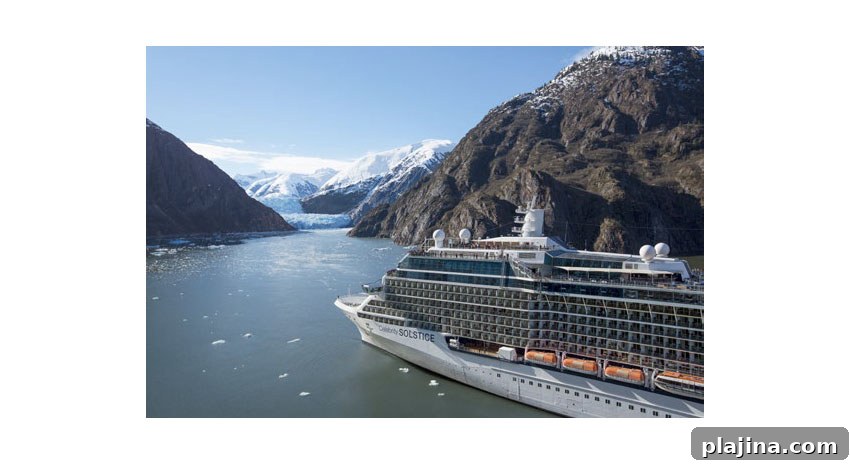
Other cruise lines are pursuing similar initiatives. Celebrity Cruises operates glass crushing and aluminum and tin recycling programs, and its Solstice-class ship deploys 216 solar panels and some 7,000 LED lights to cut energy consumption. Disney Cruise Line captures and recycles around 280 tons of condensate from air-conditioning systems for use in laundry and deck cleaning. Royal Caribbean has eliminated disposable utensils, reduced excess packaging, and phased out plastic water bottles onboard many ships. Lindblad Expeditions, known for small-ship eco-touring, emphasizes locally sourced and sustainably harvested seafood in its dining rooms. Carnival Cruise Line has introduced recycling bins fleetwide and donates replaced furniture, appliances, and linens to charities instead of sending them to landfills. For its Zambezi voyages, AmaWaterways uses battery power at night and heats water with solar systems.
The future promises further advances. Travelers who already favor hybrid vehicles on land will soon see hybrid options at sea. Hurtigruten’s Roald Amundsen, a 530-passenger vessel, is among the first cruise ships to feature fully electric hybrid technology, enabling stretches of emission-free sailing. Ponant has also announced plans to introduce an electric hybrid-powered icebreaker-style cruise ship, expanding hybrid technology into polar expedition cruising.
These changes reflect a broader industry trend toward cleaner operations, greater energy efficiency, and more responsible waste and resource management. While challenges remain, shipping companies are increasingly investing in technology and practices that reduce environmental harm, improve onboard air and water quality, and offer passengers more sustainable travel choices. As newer vessels enter service and retrofit programs continue, cruising is expected to become steadily less polluting and more aligned with global environmental goals.