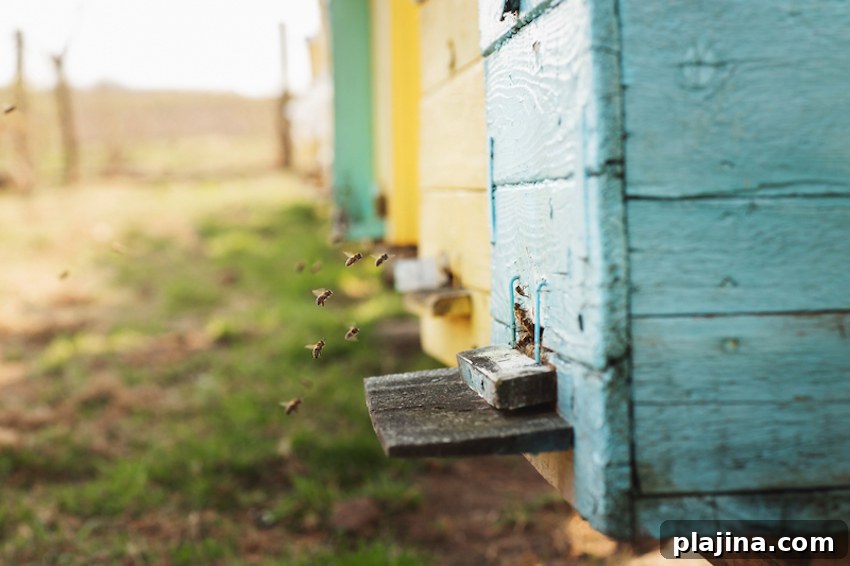
Fairmont Hotels & Resorts has introduced more than two million honeybees across its properties worldwide as part of its Bee Sustainable program. The chain has also launched a new digital platform where guests and the public can learn more about these important pollinators and observe the hotel apiaries in action.
Called Fairmont Bee Sustainable, the platform explains why global bee health matters and lets visitors monitor hives in real time. Rooftop apiaries and bee hotels at Fairmont locations—currently including Vancouver; Washington, D.C.; China; Kenya; and San Francisco—stream live footage of bees coming and going. The site also provides daily data, such as average foraging distances, and analyzes the honey produced in each hive by identifying the flowers, trees, and plants the bees are visiting.
Sharon Cohen, vice president of the Fairmont brand, said the program reflects the hotel group’s long-standing commitment to sustainability. “As the first luxury hotel brand to develop comprehensive onsite bee programming, Fairmont is an industry leader in the support of sustainable practices,” she said. “Over the past decade we’ve continued to expand our commitment through the Bee Sustainable initiative. Our hotels take pride in contributing to local communities, and by creating on-property hives and pollinator habitats we help raise awareness of pollinator health around the world.”
Laurie Davies Adams, president and CEO of Pollinator Partnership, noted the conservation value of Fairmont’s efforts. “Fairmont’s Bee Sustainable programming provides two important benefits: the hives and bee hotels create safe habitats for a variety of pollinating species, and the onsite displays and programs at each Fairmont property engage guests and staff with pollinator issues,” she said. “Together these elements reach new audiences and foster direct involvement with nature.”
The digital platform enhances the educational reach of the program by combining live observation with measurable insights, making it easy for visitors to see how pollination works and why it matters to ecosystems and food systems. Monitoring tools track hive activity and help visitors understand seasonal patterns, foraging behavior, and honey composition without requiring in-person access to the rooftop apiaries.
Beyond observation, Fairmont’s Bee Sustainable initiative supports local biodiversity through thoughtfully sited bee hotels and habitat-friendly landscaping at participating properties. These features offer refuge for solitary and social bees alike and complement conservation efforts undertaken by local partners and staff. By integrating habitat creation with guest-facing education, the hotel chain seeks to inspire visitors to think about pollinator-friendly choices they can make at home.
Through this combination of onsite conservation, public education, and digital monitoring, Fairmont aims to elevate awareness of pollinator health while providing tangible benefits for local ecosystems. The initiative demonstrates how hospitality brands can contribute to environmental stewardship by turning underused rooftop and garden spaces into thriving habitats, and by using technology to bring the experience to a broader audience.