
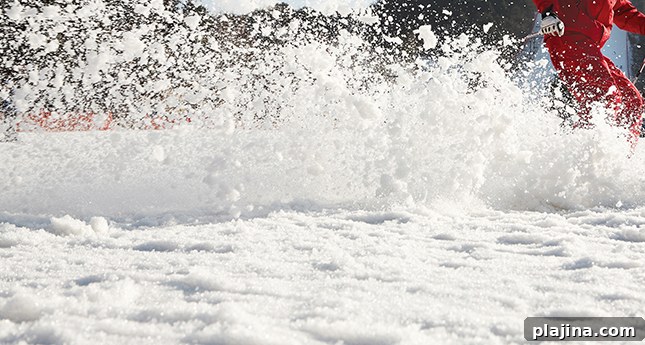
With nearly 70 percent of the country covered by mountains and winter temperatures often around 28 degrees Fahrenheit, South Korea is a surprising but increasingly popular destination for alpine sports. The winters are long and cold, but dry, which means natural powder is limited on many forested slopes. Korea’s mountains are modest in elevation—the highest, Hallasan, tops out at 6,398 feet—yet advances in snow-making since the 1970s have transformed the nation into a reliable place to ski and snowboard. Resorts are convenient from major cities, and with extended, crisp winters, Korea offers excellent conditions for those seeking fair-weather ski holidays, according to winter-sports writers.
Korea’s rise as a ski destination has been intentional. The country upgraded facilities during bids for the Winter Olympics and hosted regional competitions such as the Asian Winter Games. Major events, including a Snowboard Big Air competition staged in central Seoul, underscore the government and private sector investment in winter-sports infrastructure. The province of Gangwon-do, home to many of the top resorts, has been a particular focus of development and promotion.
Resort development has taken a distinctive Korean path: many ski areas function as year-round leisure complexes. In addition to downhill trails, resorts frequently feature golf courses, spas, shopping centers, clubs and indoor water parks. Daemyung Vivaldi Park, for example, includes nightlife, a golf course and Ocean World, an underground themed water park. High 1 Resort pairs skiing and snowboarding with a casino open to Korean residents, performance venues and a rotating mountaintop restaurant. These mixed-use offerings make resorts attractive to families and groups with varied interests.
Thermal bathing is an integral part of the Korean mountain experience. After a day of hiking or skiing, visitors often head to nearby hot springs and jjimjilbang-style spas. These range from modern, pampering facilities to traditional springs believed to have medicinal benefits. Many spas incorporate rare materials such as yellow clay, jade, or hinoki wood, and fragrant botanicals like jasmine or tangerine may be added to the waters. Soaking outdoors while snow falls is commonly cited as one of the season’s most memorable pleasures.
Korean skiers and snowboarders take their sports seriously. Resorts close to Seoul often offer 24-hour access to slopes with time-based ticketing enabled by electronic scanning. This flexibility attracts both locals and visitors who want to ski late into the night or make the most of a short trip. Trails tend to vary in length and difficulty, with some challenging runs for advanced athletes and plenty of gentler slopes for learners.
Snowboarding has a strong following in Korea. Several resorts favor snowboarders, and events such as national Burton competitions draw enthusiastic crowds. Although off-piste opportunities are limited by the scarcity of consistent natural snow, resorts invest heavily in freestyle terrain—half-pipes, terrain parks and mini-pipes are common and well maintained.
Many resorts tailor offerings to younger guests: nightclubs, big-name DJs, themed slope names and multimedia screens are common attractions. The lively resort atmosphere can make beginner areas feel crowded, especially during peak holiday periods, but local culture tends toward tolerance and good humor when slopes get busy. Visitors accustomed to a more tense on-slope environment often notice how relaxed interactions are among Korean skiers and snowboarders.
Access from Seoul is straightforward. Resorts in neighboring Gyeonggi province are within an hour’s drive of the capital, while larger destinations in Gangwon-do are usually two to three hours away by car or bus. Tour buses from Seoul often include lift tickets and equipment rental in tour packages. High 1 Resort is notable for being reachable by direct train service from Seoul and Busan, making it one of the most accessible major mountain destinations.
Mountain dining is more casual than Seoul’s dynamic restaurant scene. Food courts, fast-food outlets and self-catering kitchens dominate resort dining. Visitors should watch for street vendors around resort towns and transit hubs: hot, portable snacks such as freshly made pancake-and-egg sandwiches are inexpensive, warming, and popular with locals and tourists alike.
Accommodations at resorts range from budget hostels to condominiums and luxury rooms. Many properties use ondol, the Korean underfloor heating system, which provides strong warmth through the night and contributes to the distinctive winter lodging experience. Traditional sleeping arrangements on heated floors remain common in some options and can be a comfortable, authentic way to spend cold winter nights.
Top Resorts
Muju Resort: Famous for the Silk Road Slope, Muju offers the nation’s longest run and significant altitude differences across 1,700 acres. The resort is split between two bases with a combined network of trails, plus cross-country routes, sledding, skating rinks, an outdoor spa and an open-air shopping district.
Phoenix Park: A favorite with snowboarders, Phoenix Park in PyeongChang features valley-style trails with facilities ranging from beginner mini-pipes to expert super pipes and an extreme park. Nightlife, shopping and karaoke complement an 18-hole Jack Nicklaus-designed golf course.
Daemyung Vivaldi Park: The first Korean resort to operate 24 hours, Vivaldi Park offers diverse attractions including a golf course, water park, supermarkets, beauty salons and a large lodging complex that accommodates thousands of guests across multiple room types.
YongPyong: Opened in 1975, YongPyong remains one of Korea’s largest and most celebrated resorts. It has hosted international competitions and features many trails and lifts, extensive snowboard facilities, golf courses and ample meeting space and accommodations.
Konjiam Resort: Located in Gyeonggi province close to Seoul, Konjiam is popular for short getaways. The resort limits daily visitors during peak times and pairs its slope offering with a golf course, condominiums and themed dining options.
High 1 Resort: Built in a former mining region, High 1 has expanded into a full-scale resort with multiple trails, a sizable casino, the rotating Top of the Top restaurant and unique experiences such as gondola dining. It is the first major Korean resort with dedicated train access.
Diversions
Winter festivals are a highlight of Korea’s cold season. The Hwacheon Sancheoneo Ice Festival attracts hundreds of thousands each January for ice fishing, ice sculpture displays and sledding on traditional wooden boards. Participants can try barehanded fishing for mountain trout or sample their catch at festival stalls. The Inje Ice Fish Festival on Soyang Lake offers similar activities, including ice sledding, ice football, horse-drawn carriage rides and local crafts.
For a true spa experience, a handful of Korean hot-spring resorts meet strict national health-spa standards, which require consistently high water temperatures and proven environmental benefits. Seorak Waterpia, for example, combines therapeutic baths with water-park attractions such as a long wave pool and themed outdoor thermal baths designed for relaxation and skin benefits.
Info to Go
Incheon International Airport (ICN) is roughly two and a half hours from Gyeonggi-do resorts and about three hours from many Gangwon-do destinations. Shuttle buses and tour packages are available from downtown Seoul, often including transportation, lift tickets and equipment rental. High 1 is also reachable by rail from Seoul’s Cheongnyangni Station, with direct resort trains serving visitors from major cities.