
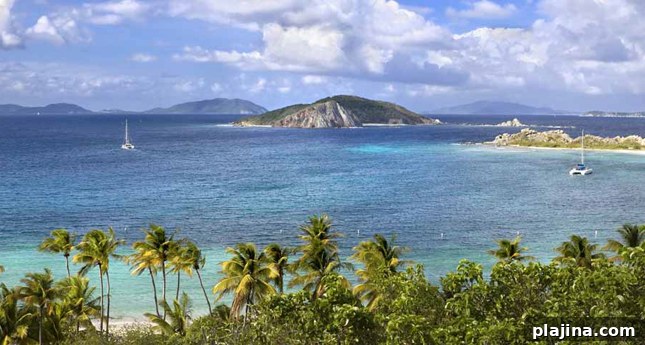
It felt wonderful to return to Tortola — to inhale the salty sea air and let the tropical sun loosen muscles stiff from long hours in airports and on planes. We had visited the British Virgin Islands before, staying at resorts and diving popular sites. One winter we enjoyed an unforgettable week kayaking among the islands, camping on deserted beaches and cooking over campfires.
This trip would be different. We planned to explore the islands aboard a sleek 44-foot sailboat. The B.V.I. remains a magnet for yachting enthusiasts — from wealthy yacht owners to families chartering boats. The region is praised for well-charted waters, abundant harbors, and excellent diving, snorkeling and fishing. As a British territory, it’s easy for many visitors: English is the official language and the U.S. dollar is widely used.
On the taxi ride to our yacht I remembered crossing the Sir Francis Drake Channel in a kayak. After countless paddle strokes, the horizon blurred and sea and sky seemed to merge. Our small flotilla of white kayaks drifted in a palette of blues — cobalt sea below, turquoise sky above. Two thousand years ago, the Arawaks crossed from South America in bark vessels shaped like ours. Ahead, though not yet visible, lay Tortola, the largest of the British Virgin Islands.
“Largest” is relative: the roughly 60 islands and cays that make up the B.V.I. together cover slightly less land than Washington, D.C., and their population of about 28,000 is tiny compared with many cities. That scale is exactly why we escaped the gray of winter to paddle and sail in one of the Caribbean’s most pristine areas.
Snorkeling in turquoise water among huge granite boulders at The Baths on Virgin Gorda © Alexander Shalamov | Dreamstime.com
Only 16 islands in the B.V.I. are inhabited, with Tortola, Anegada, Virgin Gorda and Jost Van Dyke the principal ones. The others have sparse populations or are uninhabited volcanic cays with lush vegetation, white-sand beaches and crystal-clear waters teeming with marine life.
Shallow coral reefs protect many islands from larger boats, but kayaks and small sailboats provide easy access to secluded coves and hidden snorkeling spots. On our kayaking trip we camped on remote beaches, snorkeled reefs at will, and swam in warm Caribbean water. Evenings meant pulling a dry T-shirt over a swimsuit, cooking dinner over a campfire, and falling asleep to the sounds of tree frogs and waves lapping the shore.
My daydream faded as we reached Fat Hogs Bay on Tortola and boarded the sailboat arranged by Womanship Sailing School. Over the next seven days we learned to sail and experienced the yachting lifestyle: swim, eat, sail, snorkel, sail, eat, sleep. Each night we watched a different harbor’s sunset. We cooked aboard or took the dinghy to waterside restaurants. Meeting other sailors at anchor or ashore, we exchanged knowing smiles — all of us enjoying a simple, fulfilling way of life.
The B.V.I. offers many ways to enjoy its islands: watersports, hiking, birding, and exploring uninhabited cays, nature preserves and historic sites. Each island has its own character and attractions.
Christopher Columbus sighted these isles in 1493 and named them Las Virgenes (The Virgins) after St. Ursula’s legendary companions. He called one hilly island “Virgin Gorda” (Fat Virgin) for its shape. Despite modern access, the islands retain a sense of natural charm, helped by sustainable tourism efforts.
Cave at The Baths on Virgin Gorda © Alexander Shalamov | Dreamstime.com
Road Town, on Tortola, is the B.V.I. capital and home to Terrance B. Lettsome Airport, the main air gateway. Beyond the town’s shops and restaurants, you’ll find secluded beaches and a range of accommodations from campgrounds to luxury villas and resorts. Local museums and eateries offer a taste of history and authentic island cuisine — fresh lobster and conch, curried goat, johnnycakes and roti. Sage Mountain National Park preserves vestiges of a primeval rainforest and provides scenic hiking opportunities.
Virgin Gorda, though small at 8.5 square miles, contains six national parks, including the famed Baths. There, massive granite boulders form grottoes and tidal pools ideal for snorkeling and exploration; mooring buoys and a dinghy dock help protect reefs and shorelines. Hiking trails crisscross natural areas, and high-end resorts like the Bitter End Yacht Club on the North Sound cater to sailors and families. Nearby is Necker Island, Sir Richard Branson’s private resort, known for its exclusivity.
Sailboats along the coast of Jost Van Dyke © Donelle Oxley
Jost Van Dyke, named in local lore for a Dutch pirate, delights visitors with vibrant beach bars, fresh seafood and lively celebrations. The island’s culinary highlights include conch stew, grilled lobster, barbecue and flying-fish sandwiches. White Bay’s Soggy Dollar Bar claims the invention of the “Painkiller” cocktail, and Foxy’s Tamarind Bar on Great Harbour is a popular spot for parties and its annual New Year’s celebration.
Most Virgin Islands are volcanic, but Anegada — which means “drowned land” — is a flat coral atoll with a highest point of about 28 feet. Protected by the 18-mile-long Horseshoe Reef, one of the Caribbean’s largest, Anegada offers long, quiet beaches and excellent diving on shipwrecks and healthy reefs. The island supports fishing and tourism; its lobster is a local staple. Anegada is also home to rock iguanas, several turtle species and flamingos that frequent its salt ponds. Overfishing has sadly depleted local conch populations, leaving large shell deposits as a reminder.
British Virgin Islands Info to Go
There are no direct flights to Terrance B. Lettsome International Airport on Tortola from most mainland destinations. Visitors connect through Caribbean hubs such as San Juan, St. Croix, Antigua, St. Maarten, Barbados or St. Thomas. St. Thomas is a common gateway and offers an affordable ferry to the B.V.I. Once on the islands, travel between them by chartered boats, water taxis or scheduled ferries. Many hotels and resorts provide shuttle service to ferry docks.
Where to Stay in the British Virgin Islands
Bitter End Yacht Club — Family-friendly cottages and waterfront dining overlook the North Sound, a favorite anchorage for sailors. Virgin Gorda
Guana Island — A private, all-inclusive island retreat with multiple beaches and extensive tropical grounds, offering intimate luxury accommodations. Guana Island
Villa Aquamare — Spacious villas on Mahoe Bay designed for families and groups, featuring multiple master suites, large living spaces and private pools. Virgin Gorda
Restaurants in the British Virgin Islands
Caravela Restaurant — Creative Caribbean dishes highlighting Anegada lobster, conch and tuna, served with attentive service and pleasant views. Scrub Island Resort, Spa & Marina
The Sugar Mill Restaurant — Set in a historic mill and tropical garden, this romantic setting complements daily-changing entrées like grouper baked in banana leaves. Apple Bay, Tortola
Tradewinds Restaurant — A chic island restaurant known for excellent seafood and standout dishes such as Angus tenderloin with eggplant caviar. Peter Island Resort & Spa, Peter Island