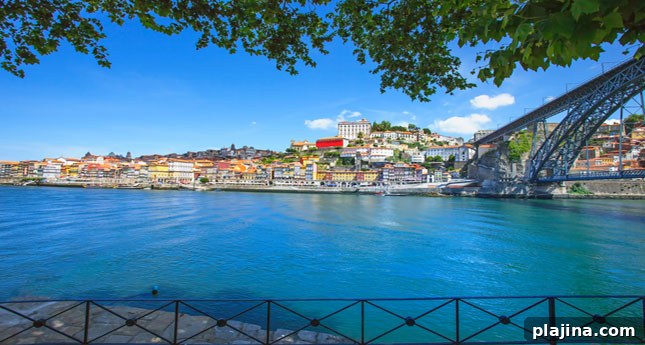
A superb way to take in the landscape that produces some of Portugal’s most distinctive wines is to view the grape-draped hillsides from the Douro River. Cruises along its stately course range from luxury riverboats to smaller private vessels, and many operate year-round, traveling eastward from Oporto toward the Spanish border.
Beyond the cities of Oporto and Vila Nova de Gaia at the river mouth, Portugal’s northern banks are largely rural, with only a few small towns such as Peso da Régua and Foz do Tua. While the terraced vineyards are the region’s best-known feature, northern Portugal also preserves remarkable cultural and archaeological treasures. Near the river’s eastern reaches, along the Côa tributary, the Côa Valley is a UNESCO World Heritage site that holds an extensive collection of prehistoric rock art. The panels include zoomorphic figures, geometric motifs and abstract symbols whose origins date back millennia.
These engravings and paintings span Paleolithic, Neolithic and Chalcolithic periods and reflect the long human presence in the valley. Scholars have linked many of the images to early Iberian inhabitants and the cultural groups that moved through this landscape. Visiting the Côa Valley offers a complementary experience to the river cruises: a glimpse into the deep history of a region that continues to shape Portugal’s winemaking traditions and rural life.