
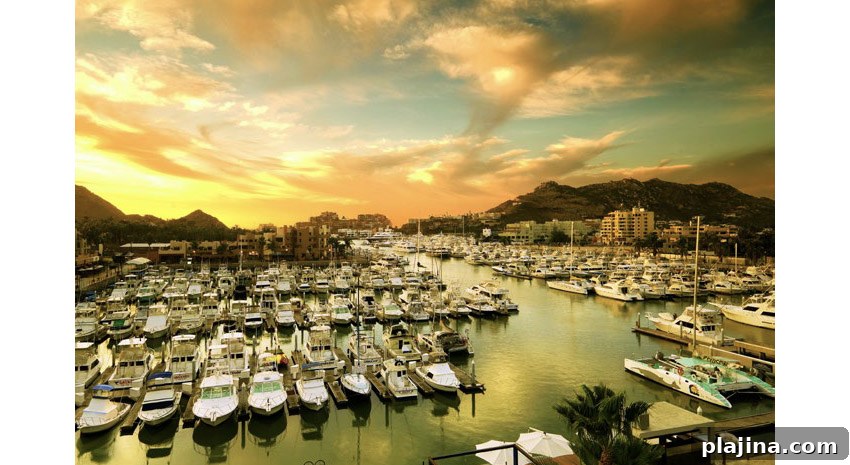
Tucked away at the distant tip of Mexico’s Baja Peninsula, framed by towering rock formations rising from azure waters, a once-sleepy fishing village has transformed into a lively center for adventure and luxury. That village is Cabo.
Cabo San Lucas gained wider recognition in the mid-20th century when American anglers discovered its abundant marlin and began bringing affluent visitors by private plane and yacht. Since then, improved infrastructure and growing investment have fueled a booming tourism industry across Cabo San Lucas, nearby San José del Cabo and the 23-mile Transpeninsular Highway known as the hotel corridor, where many of the region’s most desirable resorts enjoy prime beachside locations and sweeping ocean views.
While Cabo still offers exceptional seafood harvested from the waters where the Sea of Cortez meets the Pacific Ocean, the town’s modern identity centers more on celebration and high-energy leisure than on quiet village life. That said, pockets of understated elegance and wonder remain for travelers seeking a more intimate experience, particularly during daylight hours when the coastline and wildlife take center stage.
With more than 300 days of sun annually and average daily temperatures near 80°F, Los Cabos is quintessentially a beach destination — though much of the appeal is visual and wildlife-focused rather than for casual swimming. Pacific-side beaches have strong undercurrents and are generally unsafe for swimming, while the Sea of Cortez side is calmer and hosts extraordinary marine biodiversity. Once referred to by Jacques Cousteau as the “aquarium of the world,” the region supports colorful tropical fish, sea turtles, bustling seal and sea lion colonies and massive migrating whales. December through April is prime whale-watching season, as pods travel from northern waters to breed and raise calves here. Late summer brings the nesting season for several species of sea turtles, which return to the Baja shoreline to lay eggs.

Cabo San Lucas surfers © LOS CABOS TOURISM
Sport fishing remains a major draw—Cabo hosts some of the highest-paying marlin tournaments in the world, including the renowned Bisbee’s Black & Blue. The waters also support world-class surfing events and high-profile sailing competitions. For visitors who prefer leisure to competition, boat excursions capture the essence of Cabo: sunset sails, Champagne cruises, and lively themed parties depart the Cabo San Lucas Marina, often cruising toward Land’s End and the dramatic three-story rock arch known as El Arco. The tiny spit of sand near El Arco creates a unique double beach: Lover’s Beach offers calm, swimmable water while Divorce Beach faces the Pacific’s crashing waves. Day boat transfers make both beaches and their surrounding sea caves accessible to visitors.
Cabo’s culinary scene is anchored by fresh seafood — seafood tacos and Baja chocolate clams are local favorites — but the area has also emerged as a destination for farm-to-table dining. Along the hotel corridor, venues such as Flora Farms, Huerta Los Tamarindos and Acre have helped establish Los Cabos on the radar of organic-food enthusiasts. These eateries pair locally sourced menus with immersive experiences: Acre features accommodations built from on-site materials including elevated treehouses, while Flora Farms now offers a Farm Spa and immersive culinary programming. Nearby Todos Santos, about an hour from Cabo San Lucas, complements the region’s food offerings with well-regarded restaurants like Hierbabuena and Jazamango, making it an appealing daytrip for foodies and art lovers alike.
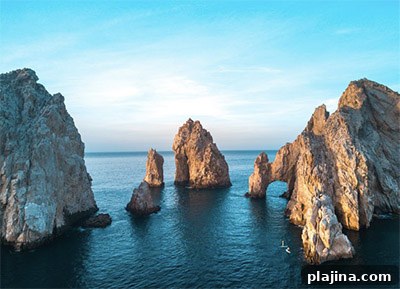
El Arco and Land’s End © BEN HORTON
Cabo San Lucas contrasts sharply with its quieter neighbor, San José del Cabo. Where San José maintains a relaxed, sleepy atmosphere, Cabo San Lucas is energetic and social, especially after dark. Nightlife hubs in downtown Cabo begin lively evenings as early as 10 p.m. and often run into the early morning hours. Popular venues range from multi-level party spots known for exuberant crowds to well-known musician-owned cantinas and waterfront bars favored by both locals and visitors. For a more refined evening, rooftop bars along the marina provide elegant settings to sample fine tequilas and mezcals while overlooking the twinkling lights and tranquil water — an elevated perspective where Cabo’s quieter, more sophisticated side still endures.
Cabo San Lucas Info to Go
Los Cabos International Airport serves numerous airlines with hundreds of weekly connections from dozens of destinations. A shuttle along the hotel corridor to Cabo San Lucas takes about 40 minutes and generally costs around $35 roundtrip; many hotels and the airport offer advance-arranged transfers. Car rentals are also available for travelers who prefer to explore independently.
Where to Stay in Cabo San Lucas
HACIENDA ENCANTADA — Classic Cabo views and evenings by the fire with dramatic vistas of El Arco at Land’s End deliver a quintessential escape. Carretera Transpeninsular Km. 7.3 $$$$
GRAND SOLMAR AT RANCHO SAN LUCAS — For a tranquil, luxurious stay set apart from downtown bustle, the waterfront spa with treatment rooms built like interconnected beach huts offers a restorative experience. Carretera Todos Santos Km. 120 $$$$$
THE TOWERS AT PACIFICA GOLF & SPA RESORT — The most exclusive suites within the Pueblo Bonito collection at Quivira Los Cabos, with highly personalized service and upscale amenities. Previo Paraiso Escondido $$$$$
Restaurants in Cabo San Lucas
MANTA — Blending Peruvian, Japanese and Mexican influences, Chef Enrique Olvera focuses on refined comfort cuisine with ocean views at The Cape, A Thompson Hotel. Carretera Transpeninsular Km. 5 $$$$
SUNSET MONALISA — A top choice for romantic dining, this cliff-top restaurant offers freshly caught seafood and rich pasta dishes with iconic sunset views over Land’s End. Reservations are strongly recommended. Carretera Transpeninsular Km. 6.5 $$$$
LOS TRES GALLOS — A beloved spot for authentic Mexican flavors in a charming courtyard setting, known for its traditional dishes such as mole. Calle 20 de Noviembre $$$