
I had just taken off my sandals and stepped onto the soft white sand for a late-morning walk to a secluded spot recommended by the front desk when I checked my phone. It had just turned 11 a.m., which meant it was only 7 a.m. back home — the perfect time to call my husband and say good morning before he left for work. Not quite ready to head back to the room, I decided to test the WiFi and placed the call while walking toward the shoreline.
“Good morning from Bora Bora,” I said, half-guiltily, as the line connected after just two rings. “Wish you were here!”
The conversation continued as I moved farther from the shaded loungers and sun beds set into the sand. I tightened my grip on the phone as I took my first step into the crystal-clear water, letting the cool salt water wash over my toes and rise up my legs. Waist-deep in the lagoon, I ended the call and placed my phone in a waterproof pouch before reaching my destination.
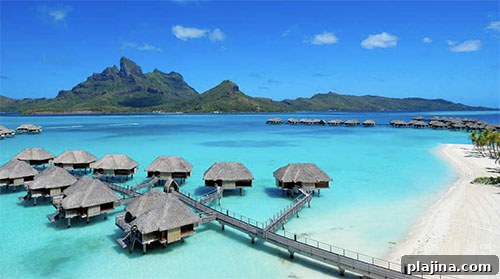
Four Seasons Bora Bora overwater bungalows © MOEAVA DE ROSEMONT / FOUR SEASONS BORA BORA
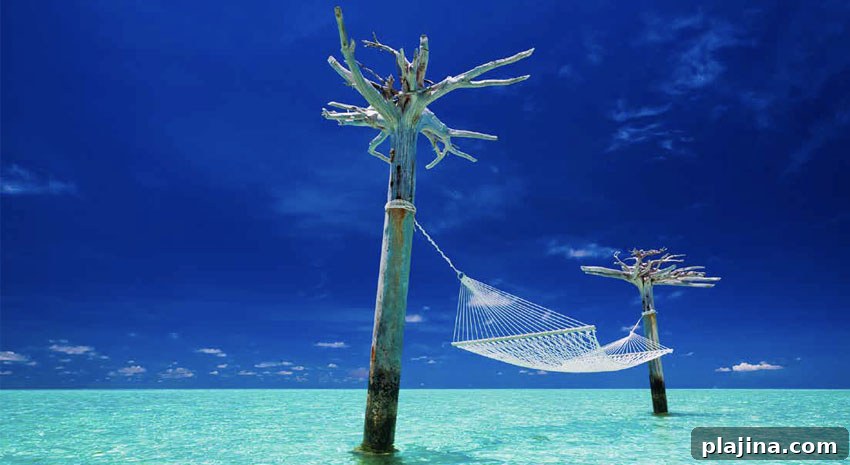
I collapsed into a private overwater hammock suspended between two poles so the netting barely skimmed the water as I rocked gently. All alone, with no one else in sight, I savored the quiet and the view.
Long celebrated as a romantic honeymoon destination thanks to its overwater bungalows and dramatic scenery, Bora Bora has become more accessible to a wider range of travelers as flight schedules and connectivity improve. The island is part of French Polynesia, a French overseas territory made up of five island groups: the Society Islands, the Tuamotu Islands, the Marquesas, the Austral Islands and the Gambier Islands.
Of French Polynesia’s 118 islands and atolls, only 67 are inhabited. Most residents live in the Society Islands, which include Tahiti, Moorea, Tetiaroa and Bora Bora. Often called the Pearl of the Pacific, Bora Bora is small — less than 15 square miles overall — and is composed of a main island surrounded by smaller islets called motus. Many resorts occupy their own private motu and are reached by boat or helicopter from Vaitape, the main island’s port. The island’s centerpiece is a dormant volcano whose dramatic peaks include Mount Pahia and the striking Mount Otemanu.
Many travelers seek accommodations with views of Mount Otemanu, and Le Méridien Bora Bora is renowned for offering some of the best. The Marriott-owned resort has 98 bungalows, and its overwater villas provide unobstructed vistas of the mountain along with direct water access from private decks. The on-site casual restaurant, Le Te Ava, serves meals under a traditional thatched roof on the sand and offers one of the most praised versions of Tahiti’s national dish, poisson cru — raw tuna marinated in lime juice and coconut milk.
Le Méridien is also home to French Polynesia’s only turtle sanctuary, located within its Ecological Center. The resort offers free tours to educate guests about conservation work, and for a small fee visitors can join a Live My Life session to help care for sea turtles alongside biologists.
Resorts on Bora Bora’s motus are generally a short boat ride from one another, so it’s easy to arrange water taxis or transfers to visit other properties or return to Vaitape to explore the markets that spring to life in the early afternoon. A well-known local spot, Bloody Mary’s, attracts visitors and celebrities alike with its sandy floor and relaxed atmosphere. The restaurant’s casual vibe has drawn names such as Pierce Brosnan, Jimmy Buffett, Kurt Russell and Kareem Abdul-Jabbar over the years.
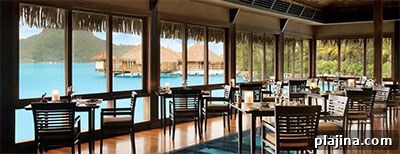
Lagoon Restaurant by Jean-Georges at The St. Regis Bora Bora © THE ST. REGIS BORA BORA RESORT
For fine dining, Lagoon Restaurant by Jean-Georges at The St. Regis Bora Bora is the island’s standout. Perched over the water, the restaurant showcases dishes crafted by the acclaimed chef Jean-Georges Vongerichten. It’s one of the few places in the world where you may encounter uravena, a local fish that demands precise preparation. The dining platform includes glass-paneled flooring that lets diners look down into the water where black-tipped reef sharks sometimes swim.
The St. Regis also offers some of the largest overwater bungalows in the South Pacific, featuring private gazebos, glass floors, plunge pools and direct water access via ladders. The resort’s 90 accommodations range from garden villas with private beaches to expansive overwater villas and a royal estate with three bedrooms across 13,000 square feet, complete with a private chef available upon request.
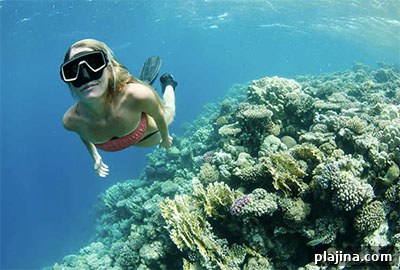
Swimming along coral © THE ST. REGIS BORA BORA
Days on Bora Bora can be split between lounging in an offshore hammock, enjoying drinks at a swim-up pool bar, and joining excursions arranged by the resort. Options range from full-day scuba trips to jet-ski island tours that send guests skimming between motus and through the lagoon. For a more adrenaline-filled experience, visitors can book half- or full-day shark and ray excursions with local operators. These tours often begin with snorkeling in coral gardens, include close encounters with giant manta rays in shallow waters, and progress to swimming with black-tipped reef sharks in deeper areas. Many tours finish with a locally prepared lunch on a private islet, where guides demonstrate how to open and enjoy fresh coconuts.
Coconuts are integral to local life and cuisine, but monoi oil is one of Tahiti’s most emblematic products. Made by infusing coconut oil with tiare flower petals, monoi oils are commonly used in spa treatments across the islands and are featured throughout the Miri Miri Spa by Clarins at The St. Regis. These fragrant oils soften skin and hair and make thoughtful souvenirs that recall the calm and luxury of a stay in French Polynesia.
French Polynesia Info to Go
All international flights arrive in Papeete, Tahiti. From there, a roughly 50-minute domestic flight on Air Tahiti brings travelers to Bora Bora Airport. Upon arrival, guests transfer by car to resorts on the main island or board resort boats that ferry them to private motus.
Where to Stay in French Polynesia
FOUR SEASONS RESORT BORA BORA Thoughtful local design by architect Pierre-Jean Picart shapes the resort’s 107 bungalows, creating a refined and comfortable escape. Motu Tehotu, Bora Bora
LE MÉRIDIEN BORA BORA This retreat’s 98 bungalows offer spectacular views, with the overwater rooms facing Mount Otemanu earning particular praise. Motu Tape, Bora Bora
THE ST. REGIS BORA BORA RESORT Known for discreet service and attention to detail, The St. Regis features 90 luxurious suites, including some of the largest overwater bungalows in the region. Motu Ome’e, Bora Bora
Restaurants in French Polynesia
BLOODY MARY’S Famous more for its iconic Polynesian atmosphere than haute cuisine, Bloody Mary’s is worth a stop to enjoy a drink and soak up the sandy-floor setting. Povai Bay, Bora Bora
LAGOON RESTAURANT BY JEAN-GEORGES Chef Jean-Georges Vongerichten blends French and Asian influences with fresh local ingredients for an elevated dining experience over the water. The St. Regis Bora Bora, Motu Ome’e
LE TE AVA The casual restaurant at Le Méridien prepares a celebrated version of poisson cru — raw tuna marinated in lime juice and coconut milk — often served in a coconut shell. Le Méridien Bora Bora, Motu Tape