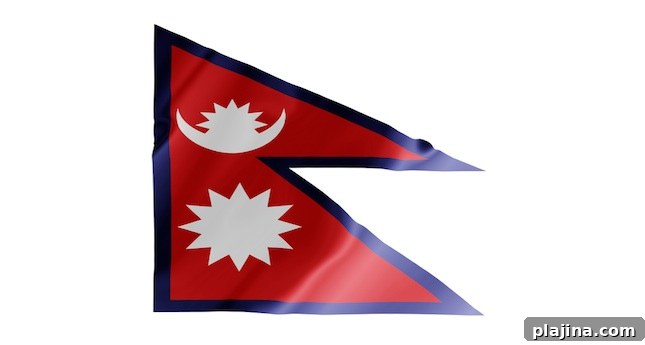
The death toll from Saturday’s 7.8-magnitude earthquake in Nepal and the Kathmandu Valley has risen to more than 3,700, with thousands more injured.
The quake, the strongest to strike the country in 80 years, was followed by at least 15 significant aftershocks measuring between magnitude 5 and 6.6. It caused widespread damage to buildings and infrastructure across Nepal and affected neighboring regions including Tibet and parts of Bangladesh. Tremors were felt as far away as Lahore, Lhasa and Dhaka.
Relief teams from the United States, Israel, Japan, Australia and New Zealand are mobilizing to assist in search and rescue operations for the country’s population of about 28 million. Government agencies and humanitarian organizations have been sending doctors, volunteers and equipment since Kathmandu’s international airport (KTM) reopened, enabling faster delivery of aid.
“We do not yet know the full extent of the damage, but this is undoubtedly the most deadly and devastating earthquake since the 1934 tremor that severely affected Nepal and Bihar,” said Jagan Chapagain, director of the International Federation of Red Cross and Red Crescent Societies. “People will need substantial support including food, clean water, medical care and emergency shelter.”
Responders are prioritizing search and rescue, emergency medical care and the restoration of critical services. Hospitals in the Kathmandu Valley and surrounding districts are treating large numbers of trauma patients while temporary clinics and field hospitals are being set up to expand capacity. Access to remote communities remains a major challenge due to damaged roads and landslides.
Community organizations and international partners are coordinating supply distribution for essentials such as water, blankets and hygiene kits. Shelter is a pressing concern as many homes and historic structures have been badly damaged or destroyed, leaving families exposed to the elements and at risk of disease outbreaks.
Trained search-and-rescue teams, equipment for clearing rubble and medical supplies are a priority. Donations and logistical support can help speed up lifesaving work, ensure continuity of medical treatment and aid in reuniting separated families. Local authorities are also working to assess needs, map affected areas and plan longer-term recovery and reconstruction efforts.
Our thoughts are with the victims, survivors and responders coping with this disaster. The Nepal Red Cross and other humanitarian organizations are providing first aid, search and rescue, blood supplies to medical facilities in the capital and support to emergency personnel. Contributions to established relief organizations help ensure coordinated, effective assistance for those most in need.