
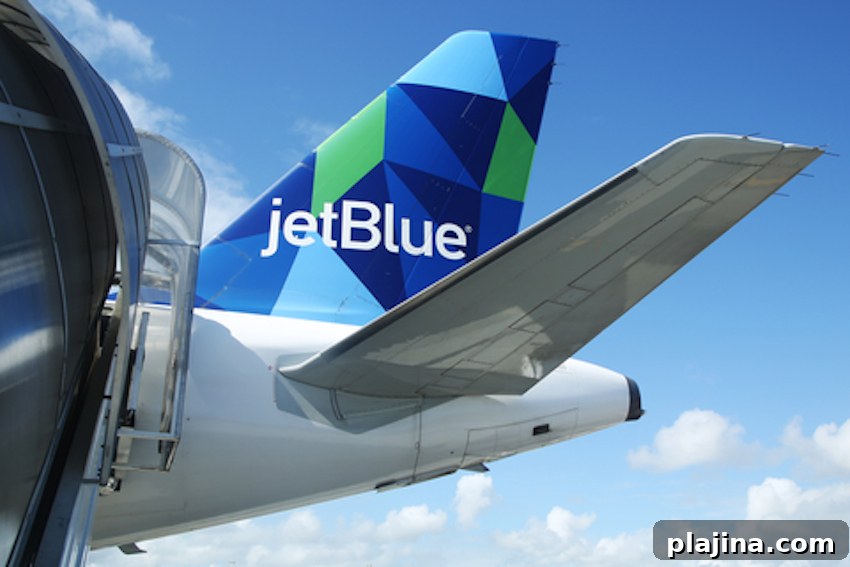
JetBlue founder David Neeleman has announced plans to launch a new low-cost U.S. airline called Moxy.
The startup aims to secure $100 million in initial funding to operate fuel-efficient Bombardier CS300 aircraft from smaller, low-cost airports that serve major metropolitan areas, including New York City, Chicago and Baltimore. By focusing on these secondary airports, Moxy intends to lower operating costs while providing convenient access to large city markets.
Moxy plans to begin service in 2020 with a fleet expansion target of 60 aircraft by 2024. The Bombardier C Series program recently entered a new chapter after Airbus agreed to acquire a majority stake in the C Series Aircraft Limited Partnership; that transaction is expected to be finalized this month. The CS300, known for its fuel efficiency and passenger comfort, is central to Moxy’s strategy to keep unit costs down and offer a competitive product.
According to reporting by Airline Weekly, Moxy will focus on point-to-point routes rather than a hub-and-spoke model, which helps reduce complexity and operating expenses. Early indications suggest the carrier will position itself between ultra-low-cost carriers and full-service airlines: operating with lean costs while providing amenities such as free onboard WiFi and other passenger-friendly features similar to those JetBlue is known for, rather than the stripped-down approach of some ultra-low-cost competitors.
Neeleman’s experience in aviation extends beyond founding JetBlue. He launched Brazilian carrier Azul in 2008 and also holds an investment stake in TAP Air Portugal. That track record of building and advising airlines shapes the operational and customer-focused approach Moxy is proposing.
If Moxy follows its planned timeline and funding path, it could introduce a new option in the U.S. market that blends low fares with a higher level of onboard amenities than many low-cost carriers currently offer. The combination of smaller airports, efficient aircraft and point-to-point routes aims to provide cost savings that can be passed on to travelers, while maintaining a competitive and comfortable travel experience.