
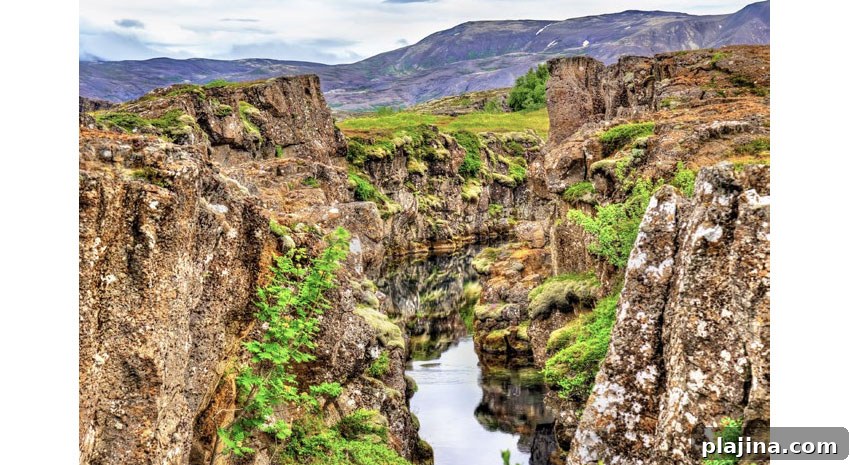
IF ONLY geology lessons were always like this. After a 25-mile drive east of Reykjavík, Iceland’s capital, we change into dry suits and flippers. Like fish out of water, we wade awkwardly along a trail and descend a flight of metal steps. We pull on facemasks, bite down on snorkel mouthpieces and enter the narrow, deep fissure that separates Europe from North America.
Iceland is the ultimate outdoor classroom. Snorkeling the Silfra fissure in Thingvellir National Park is one unforgettable way to see plate tectonics in action and to transform how both children and adults understand the planet.
A guided snorkeling tour lasts about 40 minutes and, with equipment provided, typically costs around $150 per person. Participants must be at least 14 years old (with additional height and weight requirements) and competent swimmers.
The dry suit keeps you warm in the glacial water, although the exposed skin on your face still feels the numbing cold. Small discomforts are a fair trade for the surreal experience of floating in crystalline water above a chasm that plunges roughly 65 feet.
You do not need to get wet to experience the continental divide. Large sections of the fissure are dry and walkable. With steep cliffs on both sides, you are literally standing between the European and North American tectonic plates.
You can sense Iceland’s geothermal power in simple everyday moments. Turn on a hotel’s hot water faucet and you may detect the faint scent of rotten eggs; that sulfurous odor comes from geothermal springs that tap water from miles underground.
(Be cautious: hot tap water can be scalding. Never put your hand directly under a hot faucet.)
The country has learned to harness the abundant energy beneath its surface. Iceland’s electricity and heating rely almost entirely on renewable sources: geothermal water heats homes and buildings, while hydropower and steam turbines generate electricity.
One of Iceland’s most visited geothermal attractions is the Blue Lagoon, created from the runoff of the Svartsengi geothermal power station about 27 miles from Reykjavík. Bring swimwear and conditioner to rinse mineral deposits from your hair; the warm milky-blue waters and silica-rich mud make for one of the most memorable bathing experiences you can have.
Open all year, the Blue Lagoon is especially atmospheric in winter. Brace for a short walk from the changing rooms across a cold path, then relish the relief of sinking into steamy spring water. Many visitors scoop silica mud from the lagoon bottom and apply it to their skin. Children under eight are typically required to wear inflatable armbands provided by the facility.
Another dramatic display of geothermal activity lies near the Hvítá River about a 90-minute drive east of Reykjavík, where steaming fumaroles, bubbling mud pools and geysers cluster among footpaths. The reliably erupting Strokkur shoots boiling water up to about 130 feet every 6–10 minutes. The Great Geysir, less predictable, can surge over 200 feet on rare occasions. In winter, plumes of steam appear even more spectacular against freezing air.
Iceland’s rugged terrain yields abundant waterfalls. Gullfoss, the most famous, pairs well with a geyser visit. In winter, parts of the 100-foot falls can freeze, producing haunting images; in summer the full force of the cascading water creates thunderous roar and towering spray.
Summer is also the best season for whale-watching from Reykjavík’s old harbor. Tour operators report roughly a 90 percent sighting rate in warmer months; if no whales are seen, many companies offer free repeat vouchers. Humpbacks, minkes and white-beaked dolphins are common sights on trips that average about three hours.
Volcanoes are arguably Iceland’s defining natural force. Active volcanoes shape daily life: major eruptions can darken skies, send lava across roads and disrupt international flights. There is no fixed schedule for eruptions, though volcanologists often provide short warnings when seismic activity increases.
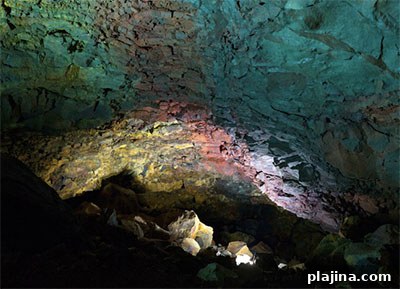
Thrihnukagigur magma chamber © SERGEMI | DREAMSTIME.COM
Volcanic eruptions have created Iceland’s dramatic landscapes and continue to reshape them. For a singular geological experience, visitors can descend into the dormant Thrihnukagigur volcano’s magma chamber, about 30 minutes south of Reykjavík. The tour requires participants to be at least 12 years old and comfortable with heights. Guests are lowered about 400 feet by an open elevator into the crater, a descent that takes roughly six minutes. At the bottom, the chamber’s scale and the textures of cooled volcanic rock give a vivid sense of the forces behind eruptions.
Iceland Info to Go
International flights arrive at Keflavík International Airport (KEF), a former World War II U.S. airbase located about 31 miles southwest of Reykjavík. Book the Airport Express shuttle in advance for a 35–45 minute transfer to the city. Most domestic flights and services to Greenland operate from Reykjavík Airport (RKV), close to downtown.
Where to Stay in Iceland
ION Adventure Hotel — About an hour’s drive east of Reykjavík and close to Thingvellir National Park, this visually striking hotel set on stilts sits within rugged scenery and is a good spot for northern lights viewing. Nesjavellir, 801 Selfoss.
Eyja Guldsmedsen Hotel — A 65-room, eco-conscious hotel in downtown Reykjavík with thoughtfully designed rooms and many views toward Mount Esja. Brautarholt 10, 105 Reykjavík.
Fosshótel Reykjavík — A large, family-friendly 4-star hotel within easy walking distance of the city center, offering good upper-floor views. The Fosshótel chain emphasizes high environmental standards. Þórunnartún 1, 105 Reykjavík.
Restaurants in Iceland
Jamie’s Italian — Casual Italian fare with pizza and pasta on the menu; this outpost follows policies to reduce single-use plastics. Hótel Borg, Posthusstraeti 11, 101 Reykjavík.
The Laundromat Café — A quirky, relaxed spot known for burgers, sandwiches and comfort food; fresh fish such as cod and salmon also feature. Austurstraeti 9, 101 Reykjavík.
GLÓ — A small chain of healthy, mostly vegetarian and vegan restaurants in Reykjavík offering organic dishes; many locations also offer at least one chicken option for meat-eaters. Laugavegur 20b, 101 Reykjavík (and other locations).