
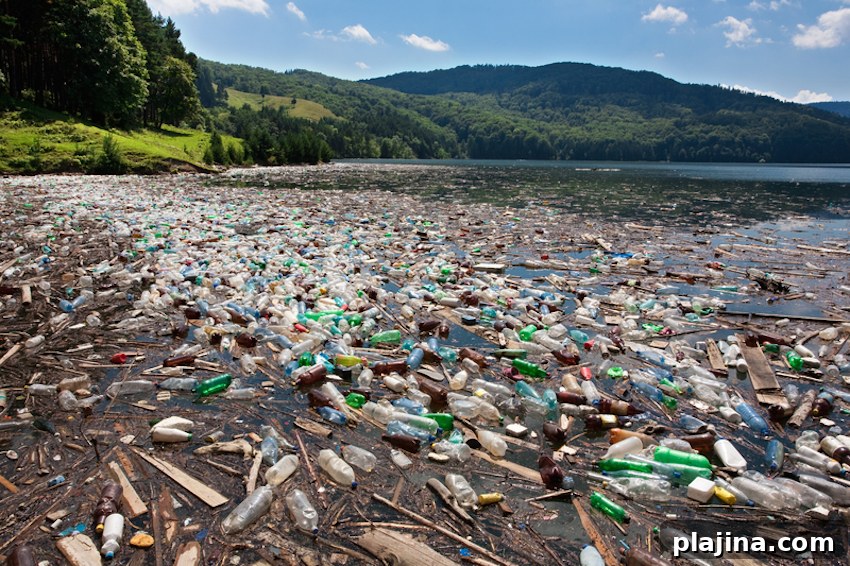
Plastic pollution has become a critical global issue, with landfills and oceans overwhelmed by single-use waste. While individual recycling efforts help, large corporations can drive far greater change by reducing plastic use across their operations. In the travel and hospitality sectors, several major companies are already taking meaningful steps to cut single-use plastics like straws, cups, bottles and disposable laundry bags.
Hilton, for example, has committed to eliminate plastic straws by the end of the year and to stop providing plastic bottles at conference events. Those efforts have produced measurable results: Hilton’s initiatives in China and Mongolia eliminated an estimated 13 million plastic bottles annually, and their changes in Australia, New Zealand and Fiji removed about 2.5 million plastic straws each year. These reductions show how company-wide policies can significantly reduce plastic waste at scale.
Other travel companies are following suit. Alaska Airlines and Carnival Cruise Line have launched programs to reduce the number of plastic straws and single-use items offered to passengers. When airlines, cruise lines and hotel chains adopt sustainable practices, the cumulative effect can be substantial—both in reduced waste and in raising public awareness about alternatives to disposable plastics.
Part of the momentum comes from increased public attention to plastic pollution, often spurred by documentaries and media coverage. Films such as A Plastic Ocean have helped bring the issue to a wider audience; some companies even make such programming available to guests as part of their sustainability messaging. As consumer concern grows and businesses respond, eliminating single-use plastics is becoming an industry-wide trend rather than a niche initiative.
Reducing single-use plastics requires a combination of policy changes, operational shifts and consumer engagement. Practical measures include replacing plastic straws with paper or reusable alternatives, offering water refill stations instead of single-use bottles, using washable or compostable service items, and rethinking in-room amenities like disposable laundry bags. Training staff and informing guests about the environmental benefits of these changes also helps ensure long-term success.
Real progress depends on measurable commitments and transparent reporting. Companies that publish clear targets and results make it easier for customers and investors to assess their environmental performance. As more travel and hospitality organizations commit to eliminating single-use plastics, others face pressure to match those efforts, creating a positive cycle of improvement across the industry.
Ultimately, tackling plastic pollution is not just about reducing visible waste—it’s about reshaping how products are designed, supplied and consumed. By prioritizing reusable, recyclable or compostable options and removing unnecessary single-use items, travel companies can significantly reduce their environmental footprint while encouraging guests to adopt more sustainable habits during their journeys.