
Reykjavik, Iceland’s capital and most-visited city, naturally draws much of the attention when planning a trip to the country. While Reykjavik deserves its spotlight, many smaller towns and villages across Iceland offer distinct character and unforgettable experiences. These communities have preserved their charm and provide a quieter, more intimate way to connect with Iceland’s landscapes and culture.
Grundarfjörður, West Iceland
Perched on the shores of Breiðafjörður Bay along the northern coast of the Snæfellsnes Peninsula, Grundarfjörður is famous for panoramic coastal views. The town’s most iconic sight is Mount Kirkjufell, visible from many vantage points. Nearby Kirkjufellsfoss is a series of picturesque falls that visitors can approach closely for great photo opportunities. A short distance away is Grundarfoss, one of western Iceland’s highest waterfalls, where water plunges roughly 230 feet over a basalt cliff. In town, travelers can enjoy activities such as kayaking, glacier tours, whale watching, horseback riding, sea angling and bird-watching boat trips.
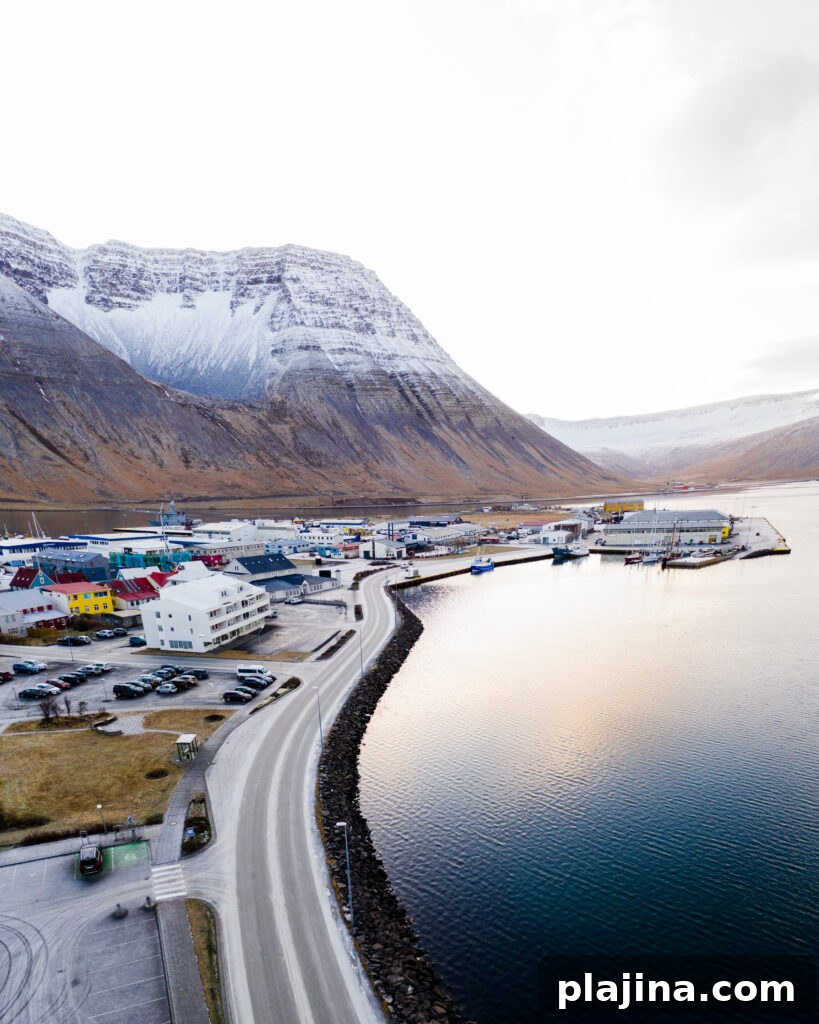
Ísafjörður © Visit Iceland
Ísafjörður, Westfjords
Ísafjörður, the largest town in the Westfjords, is a lively center for fishing, trade and tourism. The town hosts a number of well-known festivals, including the Runners’ Festival, the mud-soccer European Championships, the Act Alone Theatre Festival and the Við Djúpið Classical Music Festival. The surrounding area is ideal for exploring on the distinctive Icelandic horse. Nearby natural highlights include Dynjandi, often regarded as one of Iceland’s most beautiful waterfalls, and Hornstrandir Nature Reserve, reachable by ferry for those seeking remote wilderness and dramatic cliffs.
Keflavik, Reykjanes Peninsula
Keflavik, home to Keflavik International Airport, is often the first Icelandic town visitors encounter. The Gunnuhver geothermal area showcases steaming fumaroles, hot springs and mud pots set in a stark, otherworldly landscape. The Bridge Between Continents offers a chance to stand above the rift formed where the Eurasian and North American tectonic plates diverge. Cultural attractions include the Viking World Museum, featuring a replica Viking ship and exhibitions about explorers such as Leifur Eiríksson.
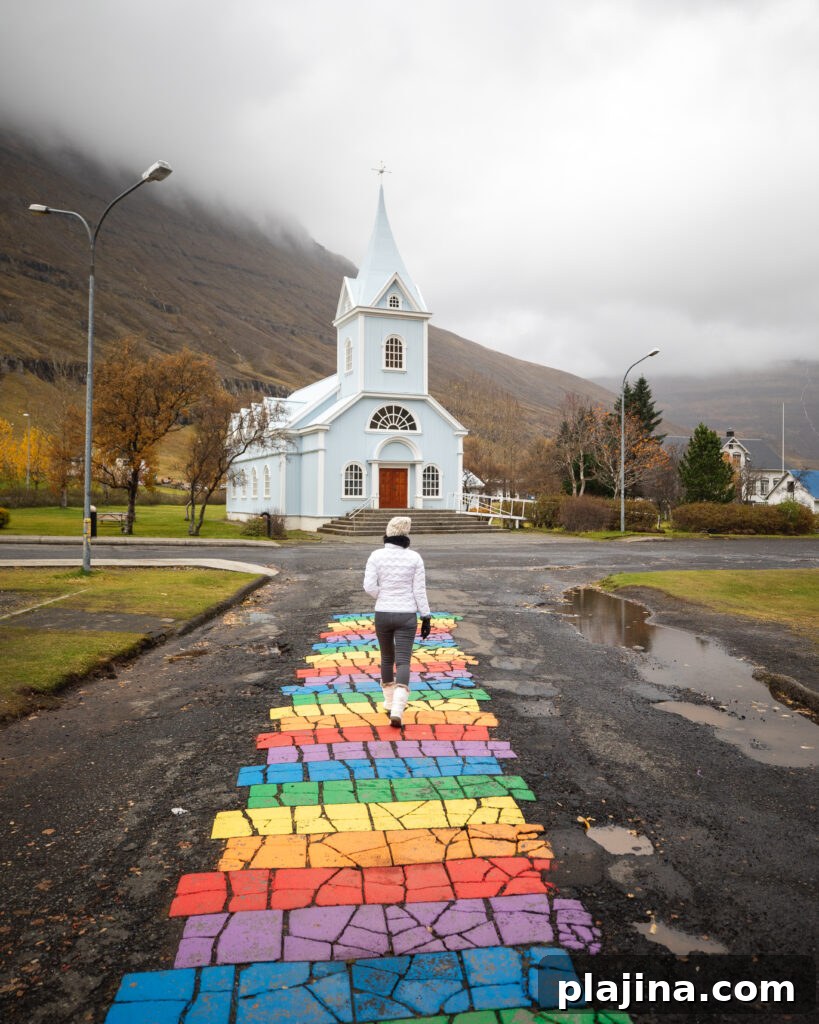
Seyðisfjörður © Visit Iceland
Seyðisfjörður, East Iceland
Seyðisfjörður is a tranquil town nestled between Strandartindur and Mt. Bjólfur, known for its creative scene, historic timber houses and scenic harbor. The town center features many original 19th-century wooden buildings clustered around a lagoon. Seyðisfjörður’s coastline provides access to rocky beaches and nearby seabird colonies, including puffins in season. Summer visitors can enjoy short hikes or day-long walks and sailing excursions, while winter brings skiing opportunities on slopes suitable for multiple skill levels.
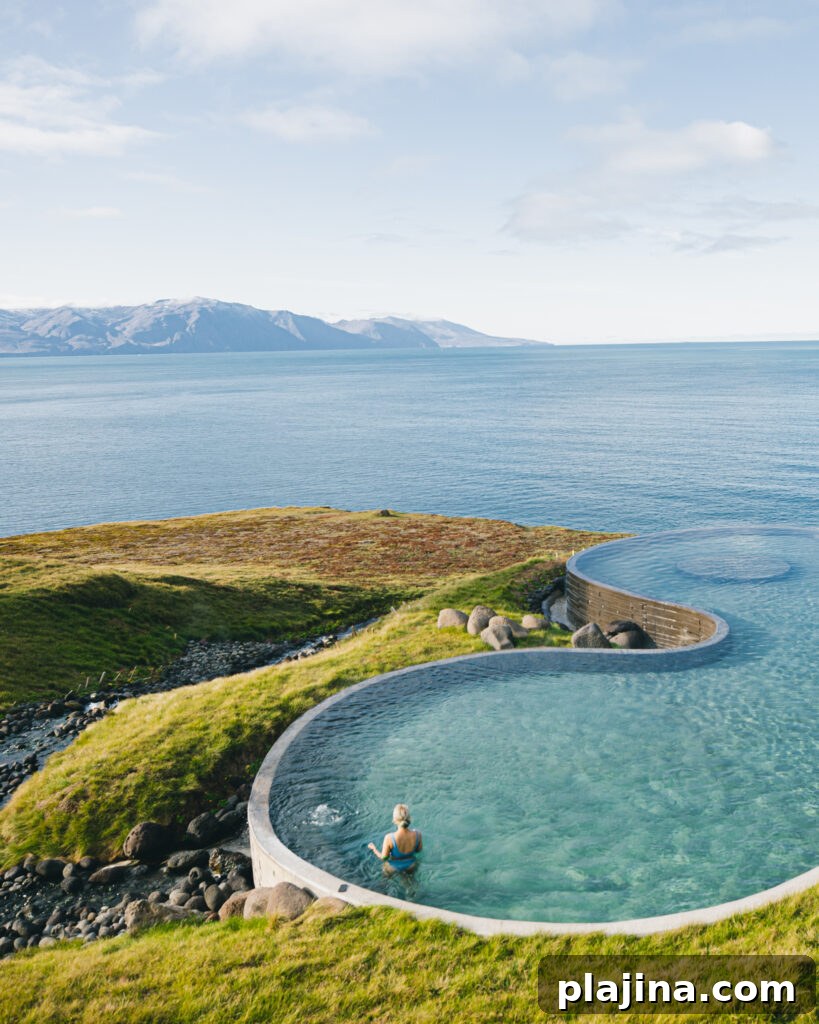
Húsavík © Visit Iceland
Húsavík, North Iceland
Located on the shores of Skjálfandi Bay, Húsavík is one of Iceland’s most charming coastal towns and is often called the Whale Capital of Iceland because of its excellent whale-watching opportunities. The settlement is part of the Arctic Coast Way and marks the beginning of the Diamond Circle route, making it a convenient base for exploring nearby attractions. Húsavík also supports a vibrant local arts scene, including a strong amateur theatre community, and local museums such as the Húsavík Museum and the Húsavík Whale Museum provide engaging cultural context for visitors.