
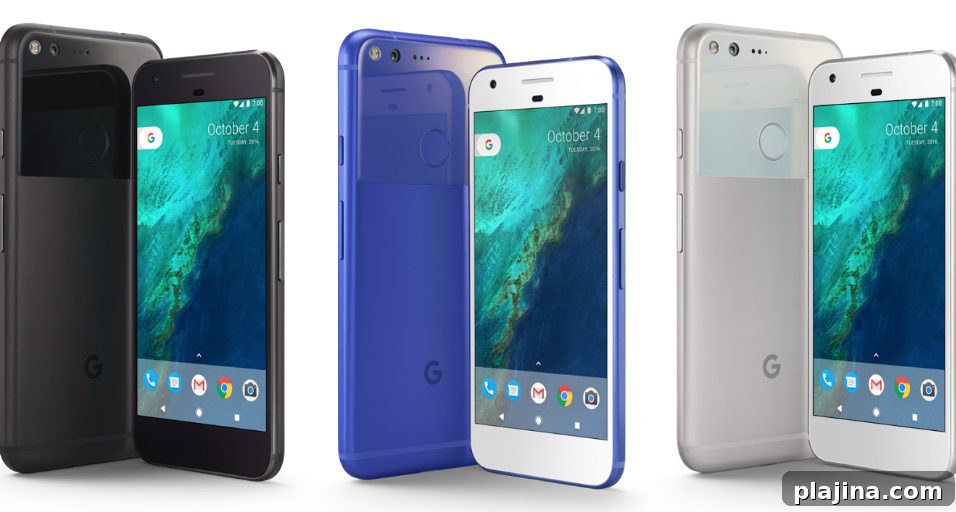
Google has stirred the smartphone market with the launch of its Pixel phone, marking the end of the Nexus brand and establishing a device presented solely under the Google name. Built in partnership with HTC as the manufacturing partner, the Pixel is designed to showcase Google’s vision for a clean, integrated Android experience.
Unlike previous Nexus devices, which emphasized collaboration between Google and various hardware partners, the Pixel aims to deliver a cohesive hardware and software package that highlights Google’s priorities: a polished user interface, timely software updates, and deep integration with Google services. The move signals Google’s intent to compete more directly with other flagship manufacturers by controlling more of the product narrative.
Key features of the Pixel include a refined design, a camera tuned for everyday users, and optimizations that leverage Google’s software expertise. While HTC handled production, the device is positioned as a Google product first and foremost, intended to set a new standard for how Android devices can showcase the platform’s capabilities without the additional layers of manufacturer customizations.
Another notable aspect of the Pixel launch is its focus on delivering a consistent update and support experience. By presenting a phone that is clearly branded and maintained by Google, the company aims to reassure customers that they will receive prompt Android updates and security patches, a concern that has long affected the Android ecosystem.
Although the Pixel represents a shift in branding and strategy, it also carries forward lessons learned from the Nexus program: offering a device that appeals to both enthusiasts and mainstream buyers by marrying solid hardware with a clean, fast software experience. For users interested in a smartphone that reflects Google’s design philosophy and software roadmap, the Pixel offers a compelling new option.
Read more at trazeetravel.com.