
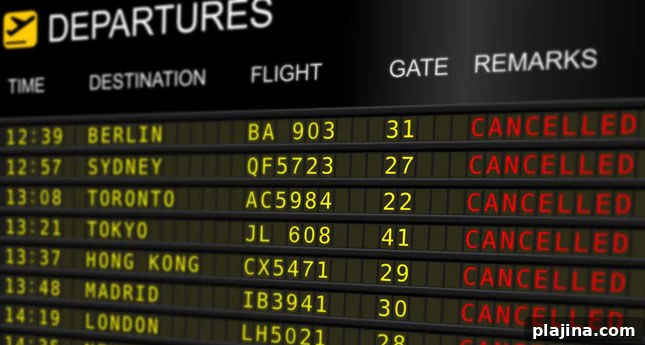
It is difficult to comprehend the events of Sept. 11, 2001, even after more than a decade. Travelers expecting a routine business or leisure trip to New York City or elsewhere found themselves stranded when all U.S. air traffic was grounded and inbound international flights were diverted. That disruption was only a small part of the day’s devastation; thousands were left trying to figure out how to get home.
Preparing for the aftermath of a global tragedy is nearly impossible. Most travelers rarely plan for disaster while on the road. As the world grows more connected and interdependent, the risks of terrorism, civil unrest or natural disasters affecting travel increase. Travel is easier and more widespread than ever, but also more complex: local incidents can quickly ripple into global consequences. Tourism is a major global industry — estimated at roughly $625 billion at times — and its scale and interconnectedness make it especially vulnerable to shocks.
Timing and quick thinking can make a difference. Gene Hellums, a lead software engineer working in Anchorage, Alaska, experienced this firsthand. On Sept. 11, 2001, he was at the airport to pick up a friend when unexpected chaos unfolded. A Korean airliner failed to divert to Whitehorse, Canada, after Anchorage’s airport closed. Elmendorf Air Force Base scrambled jets to intercept the aircraft as downtown was evacuated. Communications were finally restored at the last moment — the cockpit had been on the wrong radio channel.
Global travel continues to grow. According to the United Nations World Tourism Organization, international tourist arrivals reached a record in 2012, with about 1 billion people traveling worldwide that year, and forecasts projected continued growth into the coming decades. That growth brings a higher probability that crises and disasters will disrupt international travel because of increased mobility and connectivity.
Disasters that affect travel fall into two broad categories: natural and manmade. The most deadly natural disasters include earthquakes, hurricanes, tornadoes, tsunamis, volcanic eruptions and floods. Some of these can be forecasted based on seasonality, seismic activity or weather patterns, but others can occur with little warning. Travelers’ best defense is awareness of weather and environmental conditions at their destination.
Manmade crises — terrorism, civil disorder, political instability, piracy, explosions, infrastructure failures, environmental incidents or even the deployment of weapons — are often less predictable and can affect people who happen to be in the wrong place at the wrong time. Any of these events can have far-reaching effects on tourism well beyond the immediate area.
Aftermath of Christchurch, New Zealand, earthquake in 2011 © Nigel Spiers | Dreamstime.com
Chaos theory illustrates how small changes in one place can produce large differences elsewhere. Known as the “butterfly effect,” this concept highlights how interdependencies and complexity create a fragile system. Crises in one country can disrupt travel globally because of the economic and logistical ties within the travel sector. For example, the 2010 eruption of Iceland’s Eyjafjallajökull volcano spewed ash into a major air route and led to thousands of canceled flights across the United Kingdom, Ireland and Western Europe. In June 2012, volcanic ash from Chile again congested airways and disrupted Southern Hemisphere travel.
Not every traveler will recall the 2009 eruption of Mount Redoubt unless they live in Alaska. That volcano erupted on March 22, sending ash about 50,000 feet into the air. Depending on winds, the ash plume could have reached Anchorage and posed a threat to ventilation systems and sensitive electronics. Hellums’ company put a disaster plan in place to protect computers, servers and other equipment. The preventive measures and disaster kit they established were intended to reduce risk and remain in use today.
Disruptions can also occur domestically. For example, on Oct. 1, 2013, the U.S. federal government shut down after Congress failed to pass funding legislation. For 16 days, many routine federal operations were suspended and approximately 800,000 federal employees were furloughed, while 1.3 million “excepted” employees worked without a clear pay schedule. The shutdown had substantial effects on travel and tourism: the U.S. Travel Association estimated $152 million per day in lost travel spending, all 401 national park sites closed (losing roughly $76 million per day), and private concessionaires suffered significant revenue losses.
When travelers find themselves amid a crisis, flexibility and preparedness are crucial. Savvy planning and creative problem solving can help people find safe ways home. Today’s pervasive social media and connected travel communities also provide channels for travelers to share information and coordinate assistance with one another and with travel providers.
Be Prepared
- Research seasonal weather patterns and the climate of your destination before you travel.
- Familiarize yourself with emergency exits and evacuation routes where you stay.
- Learn early warning signs of natural disasters. For example, a tsunami may be preceded by a rapid rise or fall in coastal water levels, a very large earthquake lasting more than 20 seconds, or a loud ocean roar; if you notice these signs, move inland to higher ground immediately.
- Avoid crowds and large gatherings if protests or unrest are possible, especially those aimed at government institutions.
- Keep your passport secure and carry copies in separate bags. Leave a copy of your passport and itinerary with trusted family or friends at home.
- Carry a small emergency kit with bottled water, nonperishable food, basic first aid supplies and a flashlight.
- Keep cellphones, tablets and laptops fully charged and consider portable power banks.
- Consult your travel or health insurance policy for coverage of medical expenses and emergency services abroad, and consider short-term travel insurance if needed. Social Security and Medicare generally do not cover medical care outside the United States.