
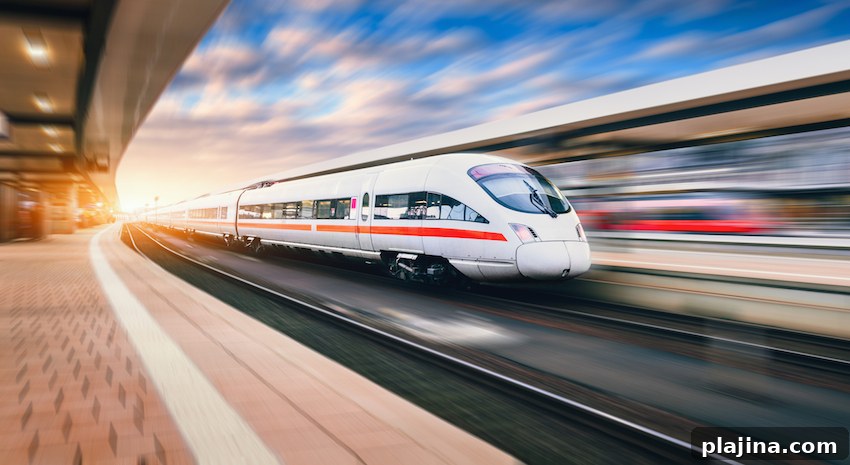
Germany’s long-awaited Deutsche Bahn project to create a high-speed connection between Berlin and Munich remains an ambitious and complex undertaking.
The new line envisions several stretches of upgraded high-speed track designed to allow DB’s ICE trains to run at top speeds, cutting the journey to around three hours and 55 minutes — more than two hours faster than the previous best travel time.
However, the rollout has encountered significant challenges. Technical problems have caused delays, re-routings and cancellations. Many of these issues appear linked to the European Train Control System (ETCS), the advanced signaling and train control technology intended to standardize operations across Europe.
Questions have also been raised about management decisions within DB. Some critics point to staffing and organizational choices that may have contributed to operational problems. Those concerns have been contested by Birgit Bohle, chairwoman of DB Fernverkehr, the company’s long-distance division, who has defended the company’s actions and emphasized efforts to address the service disruptions.
As the project moves forward, resolving the ETCS integration issues and ensuring robust operational procedures will be crucial to achieving the promised travel-time savings and reliable service between Germany’s two largest cities.