
Considered the birthplace of Aphrodite, the ancient Greek goddess of beauty and love, Cyprus preserves millennia of stories, rituals and sites tied to one of history’s most enduring deities. References to Aphrodite on the island go back at least to the eighth century B.C.E., when Homer referred to her as “Kypris,” highlighting the deep cultural connection between the goddess and Cyprus.
Today, Cyprus offers an Aphrodite Cultural Route that lets travelers follow the island’s mythological and historical trail. This self-guided itinerary links archaeological remains, natural landmarks and local lore to provide a vivid sense of how Aphrodite was honored across centuries.
© Deputy Ministry of Tourism Cyprus
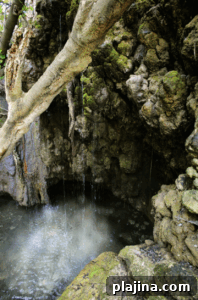
Baths of Aphrodite
Set in a natural grotto at the tip of the Akamas Peninsula, the Baths of Aphrodite are shaded by an ancient fig tree. According to tradition, the goddess bathed here and once met Adonis as he paused to drink while hunting. Legend says Adonis fell instantly in love after tasting the water, and the site remains a magnet for visitors seeking a tangible link to myth.
Kition (Larnaka/Larnaca)
Excavations at Kition reveal a sacred quarter where Aphrodite was worshipped in early sanctuaries and later temples. Archaeologists have uncovered structures connected to ritual activity as well as workshops tied to copper processing, reflecting the island’s historical wealth and how economic and religious life often coexisted.
© Deputy Ministry of Tourism Cyprus
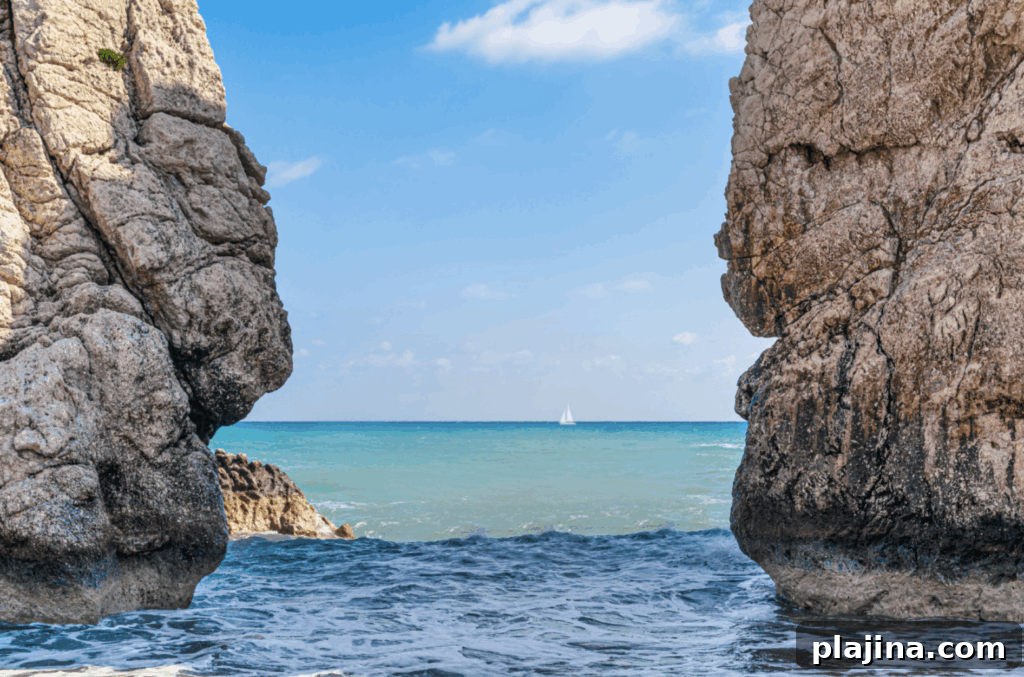
Petra tou Romiou
Known as Aphrodite’s mythical birthplace, Petra tou Romiou is a dramatic formation of rocky outcrops on the southwest coast of the Pafos district. Myth has it that the goddess emerged from sea foam at this spot. Local tradition holds that swimming around the rock three times brings blessings such as beauty, good fortune, fertility and, for some, the hope of true love.
Amathous
Near modern Limassol, Amathous was one of Cyprus’s ancient city-kingdoms and a major center of Aphrodite’s cult. Visitors can still see remains of temples and sanctuaries, along with stone representations associated with the goddess, which testify to the site’s long religious significance.
© Deputy Ministry of Tourism Cyprus
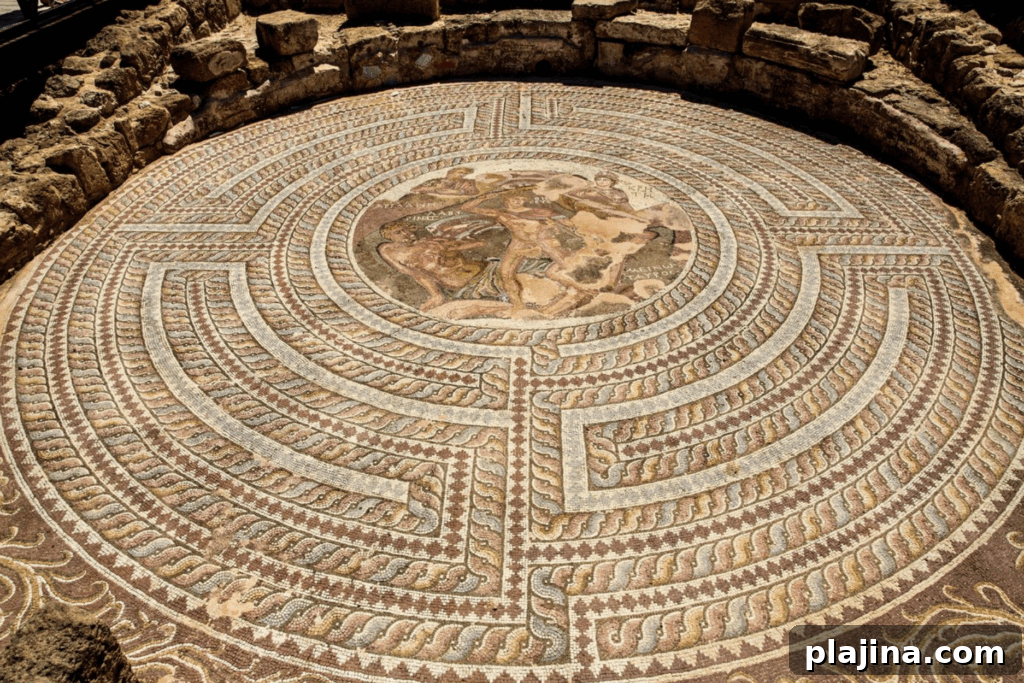
Palaipafos (Kouklia)
Located in Kouklia Village, Palaipafos was another important city-kingdom and became the first Cypriot site inscribed on UNESCO’s World Heritage List in 1980. The site is notable for its long history of worship, where the goddess was venerated in an aniconic form—most famously as a conical stone—well into Roman times.
From coastal grottoes and rocky shores to ancient temple ruins and sacred precincts, the Aphrodite sites across Cyprus offer a compelling mix of myth and archaeology. Whether exploring the natural settings tied to her origin story or walking among the remnants of places where she was worshipped, visitors encounter layers of history that reveal how deeply Aphrodite was woven into Cyprus’s cultural and spiritual landscape.