
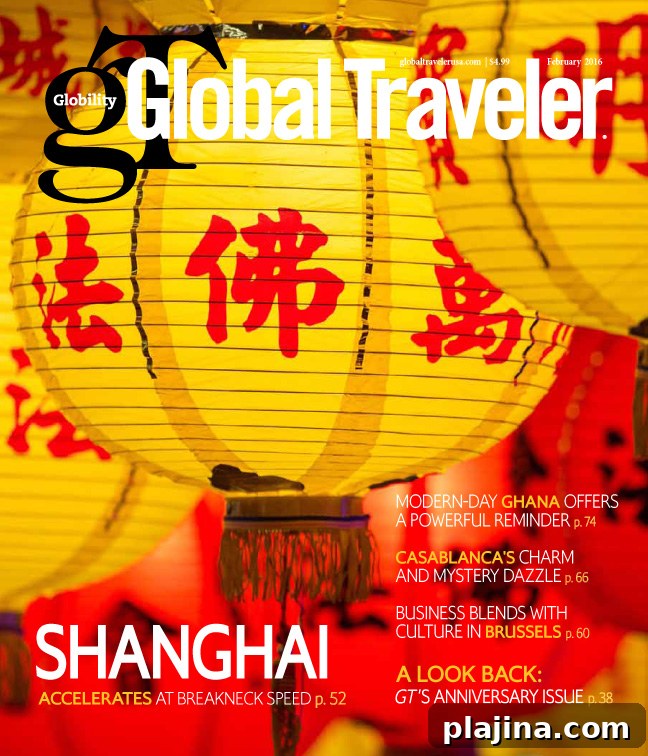
Chinese New Year paper lanterns © Aliaksandr Mazurkevich | Dreamstime.com
Chinese New Year, also known as Spring Festival or Lunar New Year, is the most important traditional holiday in China and for many communities across Asia and around the world. Celebrated at the turn of the lunar calendar, it marks a time of reunion, renewal and widely observed customs meant to invite good fortune for the year ahead. The festival brings families together, fills streets with color and sound, and preserves centuries-old rituals adapted to modern life.
The festivities usually span several days, beginning with thorough cleaning of homes to sweep away bad luck and ending with lantern displays and communal gatherings. Red decorations—symbolizing luck and prosperity—are ubiquitous: people hang red couplets by their doors, place paper cutouts in windows, and give red envelopes filled with money to children and younger relatives. Food plays a central role, with families preparing special dishes that symbolize wealth, longevity and unity—such as fish for abundance, dumplings for prosperity, and niangao (sticky rice cake) for progress.
Public celebrations are characterized by vibrant parades, lion and dragon dances, and spectacular fireworks. The lion dance, performed by acrobatic teams, is believed to chase away evil spirits and attract good luck, while the dragon dance—featuring a long, sinuous dragon manipulated by many performers—represents strength, dignity and auspicious power. Fireworks and firecrackers historically served to frighten off negative forces and remain a loud, joyful part of modern observances where permitted.
Throughout the holiday, people honor ancestors and seek blessings for the household. Many families visit temples to pray and make offerings, while others observe less formal rituals at home. Wearing new clothes and starting the year with a positive mindset are common practices intended to set the tone for prosperity and harmony.
Although the core customs remain rooted in tradition, contemporary Chinese New Year celebrations often blend old and new. Urban centers feature elaborate light shows, public performances and themed exhibitions, while digital culture has introduced online greetings and virtual red envelopes. Migrant workers and students traveling home contribute to one of the world’s largest annual human migrations, a phenomenon that highlights the festival’s deep social significance.
Beyond China, Chinese New Year is celebrated across Southeast Asia and in Chinatowns worldwide, each community adding local flavors and customs. The festival fosters cultural exchange and gives rise to inclusive public events where people of diverse backgrounds share in the food, music and pageantry.
At its heart, Chinese New Year is about renewal, family and hope. Its rituals and festivities—whether quiet home gatherings or elaborate public spectacles—reflect a shared desire for a fresh start, communal bonds and a prosperous year to come.