
Where can you find the oldest cave paintings in the Americas? Nestled in the Sierra de San Francisco Mountains on Mexico’s Baja California Peninsula are some of the continent’s earliest and most impressive rock artworks.
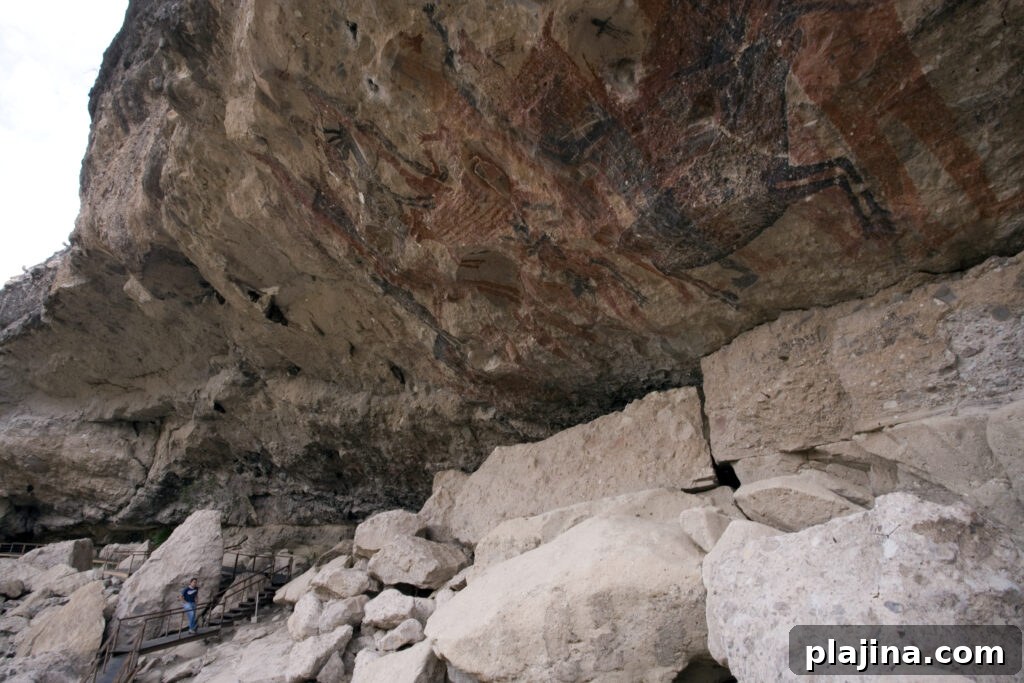
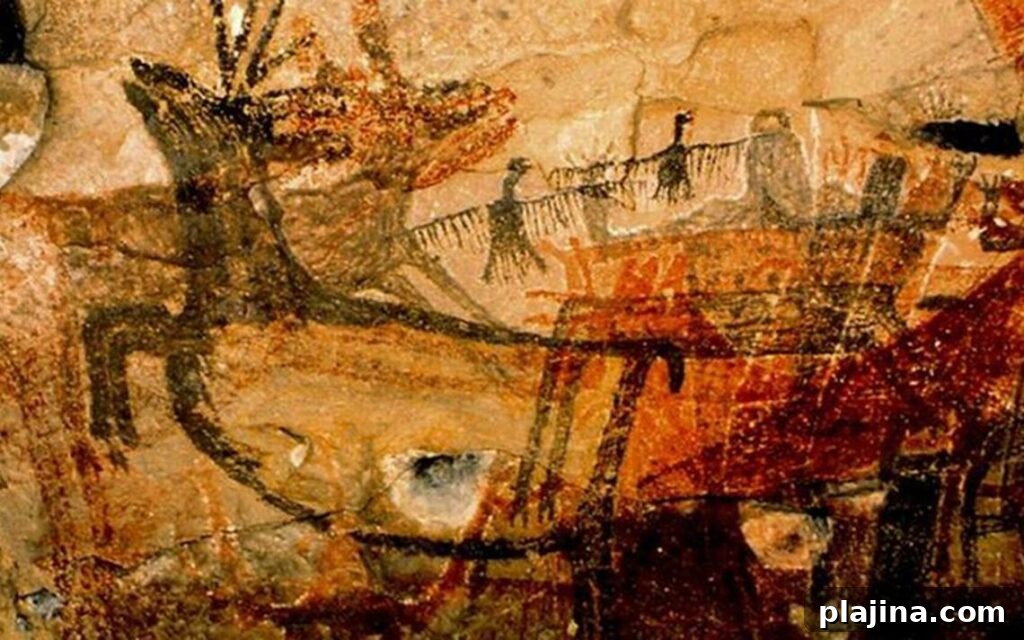
Visiting the Great Murals is an excellent autumn escape, when summer heat and seasonal rains give way to milder weather. The Rock Paintings of Sierra de San Francisco offer a rare window into ancient life and belief systems, widely attributed to the now-extinct Cochimí people. These pictographs span millennia, with dates ranging from as early as 5,500 B.C. to as late as the 18th century, creating a continuous visual record seen across nearly 250 documented sites east of the El Vizcaino Biosphere Reserve.
© Visit Baja California Sur
Recognized as a UNESCO World Heritage site, the rock art can be explored with guided operators that specialize in responsible cultural tourism. These guided experiences typically depart from La Paz and include visits to major sites such as La Pintada Cave, famous for thousands of layered depictions of marine life and human figures, and Boca de San Julio Cave, where unique symbolic markings suggest a lost language or set of meanings preserved on the rock faces.
One popular option is a multi-day itinerary that pairs archaeological exploration with natural and cultural highlights of the peninsula. Over about ten days, travelers may follow trails to remote caves, camp beneath clear desert skies, ride mules into narrow canyons, and visit coastal beaches, oases, and historic Jesuit missions. Accommodations on these trips are usually a mix of simple hotels, camping, and transport in air-conditioned vans, balancing comfort with access to off-the-beaten-path sites.
For those seeking a shorter journey, regional operators out of Loreto run three- to five-day mule-backed rock art excursions. These compact tours offer an immersive way to view key mural sites while experiencing the rugged landscape and traditional travel methods that once connected local communities to their painted heritage.
© Visit Baja California Sur
Conservation measures protect these murals: paths, viewing platforms and support structures are designed to be reversible and minimally invasive, and environmental safeguards help preserve both the paintings and their surrounding habitat. Visitors are asked to follow guidelines that minimize impact, ensuring the paintings remain intact for future generations to study and appreciate.