
Dublin has been a thriving city since the Viking era in the ninth century and remains Ireland’s largest city and primary economic hub. Today it ranks among the top European metropolitan areas by gross metropolitan product. The city experienced significant expansion during the Celtic Tiger years — a period of rapid economic growth in Ireland from the 1990s into the 2000s — and has continued to develop since.
Home to many multinational corporations, Dublin’s economy is strong in information technology, digital media, financial services and pharmaceuticals. Major Irish firms such as Bank of Ireland, Ryanair and AIB Group are based here, and numerous American companies — including Apple, IBM, Pfizer, Microsoft and Google — maintain large operations in the city. Clusters like the Digital Hub and Silicon Docks reflect this concentration of tech and digital businesses. Digital Hub alone hosts more than 50 companies and has previously housed names such as Amazon and Etsy. Because of this activity, Dublin is frequently described as a leading tech center in Europe.
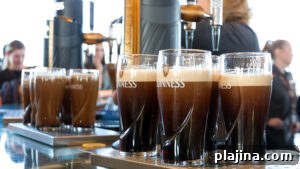
PHOTO: © VANDERWOLFIMAGES | DREAMSTIME.COM
Traditional industries such as food processing, brewing, distilling and textiles remain part of Dublin’s industrial mix, though some of these sectors have declined over time. Iconic brands like Guinness continue to draw visitors: the St. James’s Gate Brewery has brewed Guinness since 1759 and welcomes over a million tourists each year.
Many Americans visit Dublin annually, especially in summer when temperatures typically reach the 60s Fahrenheit. Travelers arriving at Dublin Airport can reach the city center — less than seven miles away — by bus. A new Metrolink underground train line has been approved to connect the airport with the city center across 16 stations, linking north and south Dublin and improving transit efficiency. This system is expected to transform the city’s transport network by 2035.
CHECKING IN WITH ALICE MANSERGH
CEO, Tourism Ireland
What’s new in terms of development?
Dublin is constantly evolving. While the city honors its history, it also embraces reinvention. From a tourism perspective, new experiences appear each year: food trails, festivals and events keep the city fresh for returning and first-time visitors alike. A notable recent trend is the growth of whiskey distilleries. Visitors can tour places like Jameson Distillery Bow St., Roe & Co, Teeling, the Dublin Liberties and Pearse Lyons. These venues combine modern visitor experiences with the city’s longstanding distilling heritage.

PHOTOS: © ALTEZZA | DREAMSTIME.COM
Do you have any tips for a first-time visitor’s trip to Dublin?
Classic attractions such as Trinity College, the Guinness Storehouse and Grafton Street remain popular for good reason: they combine historic significance with vibrant contemporary life. A slightly less obvious but highly recommended destination is EPIC The Irish Emigration Museum, which tells the stories of Irish emigrants and their global influence. Visiting EPIC gives a broader perspective on Irish identity and history.
How does sports and entertainment contribute to Dublin’s tourism?
Sports venues and cultural events play an important role in the city’s tourism. Croke Park, the home of Gaelic games, offers stadium tours, a rooftop walkway and a museum dedicated to Ireland’s national games. Aviva Stadium, close to downtown, hosts rugby and soccer matches and major events. Both venues occasionally host international games that attract large numbers of visitors, such as college football contests that have drawn fans from the United States in recent years.
What are the strongest businesses and industries?
Dublin benefits from a diverse economy. It serves as the European headquarters for many international companies, particularly in the tech sector, thanks to its infrastructure and access to a skilled workforce. Tourism also remains a major employer and contributor to the national economy. The city provides a wide range of accommodations — from luxury hotels to family-run B&Bs — and long-established attractions and civic spaces such as Phoenix Park, Malahide Castle, St. Stephen’s Green and the National Museum make Dublin a memorable destination.
PHOTO: © BORIS BREYTMAN | DREAMSTIME.COM
How will new underground transportation affect business and tourism?
While Dublin is highly walkable and many attractions are within walking distance, improved transport infrastructure will enhance accessibility for both locals and visitors. Easier movement across the city supports a better visitor experience and smoother daily life for residents. New transit links will help spread foot traffic to broader neighborhoods, supporting businesses and cultural sites across the city.
© JOSH KROESE | DREAMSTIME.COM
DIVERSIONS
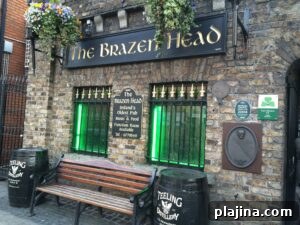
Dublin’s pub culture, live music scene and rich history remain major attractions. Temple Bar is famous for its lively streets, live folk music, DJs, illuminated evenings and boutiques showcasing local designers. That said, excellent and often more affordable pubs are found throughout the city, including historic spots like The Brazen Head and The Duke.
Booking a tour of the Guinness Storehouse remains a classic Dublin experience, and visitors can enjoy interactive elements during their visit.
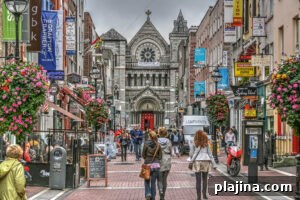
PHOTO: © JOHN
A MEGAW, JR | DREAMSTIME.COM
Grafton Street is a bustling pedestrian thoroughfare of shops and buskers. A stop at Bewley’s Grafton Street offers coffee or lunch amid stained-glass windows and elegant décor. Trinity College, located in the heart of the city, houses the Book of Kells, a ninth-century illuminated manuscript; a visit typically includes the university’s iconic library.
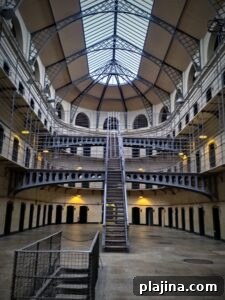
© ALBA PEREZ | DREAMSTIME.COM
Kilmainham Gaol, a former prison and important site in Ireland’s 1916 Easter Rising, is open for guided tours. It holds deep historical significance as the place where many revolutionaries were detained and where leaders of the Rising were executed.
Historical landmarks such as the 11th-century Christ Church Cathedral highlight Dublin’s long cultural history. The cathedral has served as a filming location for productions like The Tudors, and its crypt features artifacts and costumes from the series. Nearby Dublinia offers a hands-on look at the city’s Viking and medieval past.
The National Museum of Ireland – Archaeology displays Irish antiquities, including bog bodies, while EPIC The Irish Emigration Museum provides interactive exhibits exploring Ireland’s diaspora and cultural influence around the world.
LODGING
ANANTARA THE MARKER DUBLIN
This contemporary hotel on the River Liffey features a rooftop bar, modern restaurant, lively lounge, spa, infinity pool and stylish guestrooms and suites.
Grand Canal Quay, Docklands, Dublin, Ireland
$$$$
THE MERRION HOTEL DUBLIN
Set in restored Georgian buildings, The Merrion offers elegant rooms with traditional touches, an upscale restaurant overlooking gardens, an 18th-century wine vault pub and a spa with pool facilities.
Upper Merrion Street, Dublin 2, Ireland
$$$$
THE SHELBOURNE, AUTOGRAPH COLLECTION
Overlooking St. Stephen’s Green, The Shelbourne blends traditional Irish luxury with modern amenities. Guests enjoy opulent rooms, fine dining, intimate cocktail lounges, a spa and historic event spaces.
27 St. Stephen’s Green, Dublin, Ireland
$$$$$
DINING
CHAPTER ONE RESTAURANT
A celebrated restaurant in North Dublin offering refined French- and Irish-influenced cuisine, including tasting menus and curated wine pairings.
18-19 Parnell Square N., Rotunda, Dublin 1, Ireland
$$$$$
FIRE STEAKHOUSE RESTAURANT & BAR DUBLIN
A venue featuring Irish beef selections served beneath Victorian-style vaulted ceilings, with cuts such as filet, sirloin, rib eye, T-bone and porterhouse.
The Mansion House, Dawson Street, Dublin 2, Ireland
$$$
THE SADDLE ROOM
Located in The Shelbourne, The Saddle Room highlights top Irish ingredients, from scallops and crab to premium beef and lamb, crafted into standout dishes.
27 St. Stephen’s Green, Dublin, Ireland
$$$$
JUST THE FACTS
Time zone: GMT
Phone code: Country code: 353, City code: 1
Currency: Euro
Key Industries: Technology, financial services, pharmaceuticals, life sciences and logistics
COMING AND GOING
U.S. citizens need a passport valid for the duration of their stay in Ireland. No visa is required for visits up to 90 days.
OFFICIAL LANGUAGE
English is the primary language in Dublin, though road signs and official signage also display Irish (Gaelic).
INFO TO GO
Dublin Airport’s Terminal 2 serves U.S. airlines including Delta, United, JetBlue and American Airlines, with connections to major U.S. hubs such as Atlanta, New York, Boston, Philadelphia, Chicago, Dallas/Fort Worth, Newark and Washington–Dulles.
The airport is linked to the city by numerous bus and coach routes, with hundreds of daily services. Bus Éireann provides connections from the airport to regional destinations like Dundalk, Waterford and Drogheda. Taxis are available outside Terminals 1 and 2. While there is no direct train from the airport to the city center, rail services operate from stations such as Dublin Connolly and Dublin Heuston for intercity and cross-country travel.