
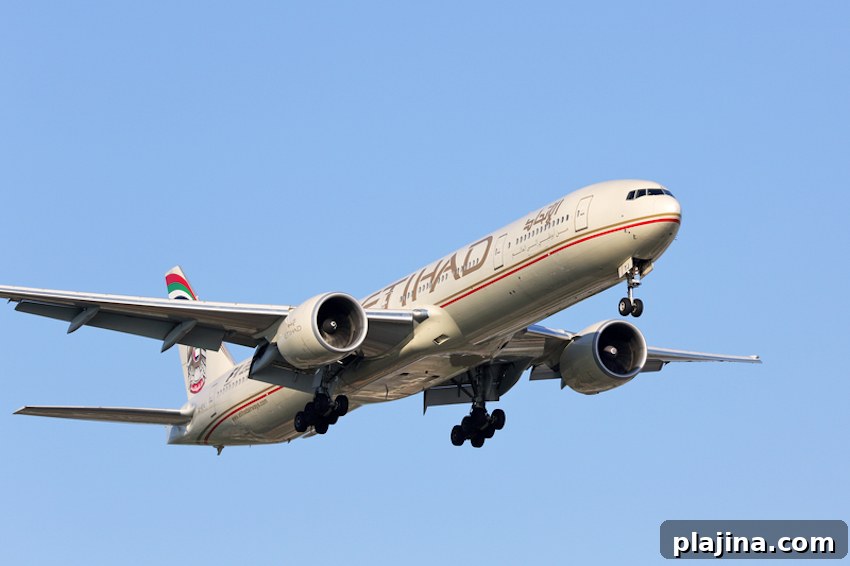
Etihad Airways recorded a $1.28 billion loss from its core airline operations in 2018.
Although still a substantial deficit, this represented a 15 percent improvement from 2017, when the carrier reported a $1.52 billion loss.
Passenger numbers declined in 2018, contributing to the loss. Etihad transported 17.8 million passengers, down from 18.6 million in 2017. Correspondingly, the load factor fell from 78.5 percent to 76.4 percent.
On a more positive note, the airline’s yield rose by 4 percent, driven by capacity discipline, network and fleet optimization, and an increase in market share in premium segments and point-to-point markets.
Etihad is in the midst of a five-year transformation program designed to improve its financial performance and operational efficiency. Measures include route rationalization, removal of premium chauffeur-drive services at some international destinations, introduction of buy-on-board options, rollout of a new Economy Space seating category, and outsourcing selected lounge operations to No1 Lounges.
As part of its network adjustments, Etihad discontinued several unprofitable routes during 2018, including Tehran (IKA), Jaipur (JAI), Entebbe (EBB), Dallas (DFW), Ho Chi Minh City (SGN), Dhaka (DAC), Dar es Salaam (DAR), Edinburgh (EDI) and Perth (PER).
“In 2018, we continued to forge ahead with our transformation journey by streamlining our cost base, improving our cash flow and strengthening our balance sheet,” said Tony Douglas, group chief executive officer of Etihad Aviation Group. “Our transformation is instilling a renewed sense of confidence in our customers, our partners and our people. As a major enabler of commerce and tourism to and from Abu Dhabi, we are intrinsically linked to the continued success of the emirate.”
Looking ahead, Etihad’s focus remains on completing the transformation program while sustaining improvements in yield and cost control. Continued network optimization and product changes aim to position the airline for more stable results as market conditions evolve.