
When it comes to transformation, Dubai is unmatched. It’s difficult to picture this cosmopolitan metropolis—one of the world’s most visited cities—once relying on fishing, trading and pearl diving. The discovery of oil in 1966 began a new chapter, but Dubai did not stop there. In the 1970s the emirate deliberately diversified its economy; today oil accounts for less than 1 percent of GDP compared with more than 50 percent at one time.
Dubai thrives on reinvention and innovation. Its economy now rests on a mix of trade, logistics, financial services, hospitality and tourism, construction, real estate and manufacturing. The Dubai International Finance Centre, established in 2004, helped position the city as a regional hub for finance and professional services. Dubai Internet City hosts major tech names, while Media City accommodates prominent global news and media operations. The city is also a global aviation and auto-export center and a showcase for luxury and exotic cars. Jebel Ali port is among the world’s busiest and anchors much of the Middle East’s export trade. It’s no surprise Dubai ranks as the U.A.E.’s second-wealthiest emirate, behind Abu Dhabi.
Leaders in Dubai embraced a bold development philosophy: build remarkable infrastructure and attractions, and visitors will follow. Although the World Trade Centre, the city’s first high-rise, opened in 1979, the skyline boom accelerated in the 1990s. The city’s drive to attract tourists led to signature projects such as the Burj Al Arab hotel, which helped spark the construction of the dramatic hotels and skyscrapers that define Dubai today.
Dubai’s efforts paid off: international overnight visitors reached a record 16.73 million in 2019. The city also prepared to host Expo 2020, a six-month global innovation fair postponed to Oct. 1, 2021, due to the coronavirus pandemic. Expected to be the largest event ever held in the Arab world, the Expo is designed to promote new thinking and global collaboration to address major challenges.
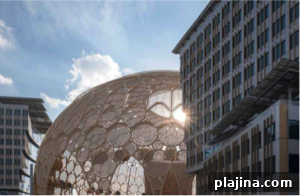
Expo 2020’s legacy will extend well beyond the event. District 2020 will transform much of the Expo site into a mixed-use urban district: more than 80 percent of Expo-built structures will be retained and repurposed. The Sustainability Pavilion will become a Children and Science Centre, while major installations such as Al Wasl Plaza and the Mobility Pavilion will remain as permanent assets. The site will combine commercial and residential space with parks, water features, cultural venues, education facilities, and hospitality, retail and dining options. The Dubai Exhibition Centre will strengthen the emirate’s role in hosting major conferences, supporting long-term business growth and creating a lasting legacy for future generations.
CHECKING IN WITH SUMATHI RAMANATHAN
Director, destination marketing, Expo 2020 Dubai
How was Dubai chosen for Expo 2020? The host city for each World Expo is selected by the Bureau International des Expositions (BIE). In November 2013 Dubai won a record number of votes to host the 2020 World Expo, beating bids from İzmir, São Paulo and Yekaterinburg.
What will Dubai do differently from other World Expos? Expo 2020 Dubai aims to bring the world together to explore solutions for a better future. The program will include more than 60 live shows daily, participation from 192 countries showcasing architecture, culture, design, heritage, music and innovation, and over 200 food and beverage outlets presenting diverse cuisines.
For the first time in World Expo history, each country will have its own pavilion, enabling nations to present their achievements and host events and networking activities. Country Pavilions are organized within three Thematic Districts—Opportunity, Mobility and Sustainability—encouraging collaboration among countries facing similar challenges.
Youth are central to Expo 2020, from an Expo School Program that aims to engage one million students to youth involvement in pavilion design and substantial employment, including managerial roles for young people.
What return on investment do you expect? Expo 2020’s capital expenditure is budgeted at AED 25 billion. A global study by a major consultancy forecasts that the Expo could contribute AED 122.6 billion to the U.A.E. economy through 2031 and support nearly 905,200 jobs across sectors such as transportation, retail, food and beverage, hospitality, construction and business services.
DIVERSIONS
Dubai offers contrasts that make it uniquely compelling. On one side it is a modern, high-tech metropolis defined by iconic architecture and luxury. On the other, Old Dubai preserves Emirati heritage and traditional life. Visit the Sheikh Mohammed Centre for Cultural Understanding for a cultural introduction—sample dishes like chicken biryani, veal machboos and lugaimat while learning about customs and history. The Dubai Museum and the historic Al Fahidi neighborhood offer insights into the city’s past, while the bustling souks showcase gold, spices and textiles.
There is far more to do than most visitors can fit into a single trip. Families can choose from aquariums, waterparks and theme parks such as IMG Worlds of Adventure and Motiongate Dubai. Shoppers will find vast malls filled with designer brands as well as dining, cinemas and entertainment facilities.
For cultural history visit the Etihad Museum, Sheikh Saeed Al Maktoum House and the Coffee Museum; the Hatta Heritage Village offers a living-history experience. For contemporary arts and creative culture, Alserkal Avenue hosts galleries, studios and trendy dining spots.
Adventure seekers can explore the Dubai Desert Conservation Reserve on a Heritage Desert Safari, spotting Arabian oryx and visiting Ghaf tree forests. Traditional experiences include falcon shows, Bedouin camps, Arabic coffee and bread demonstrations, henna painting and camel rides. Water lovers will enjoy Kite Beach, which is popular for kitesurfing, wakeboarding and paddleboarding.
Another signature attraction is La Perle by Dragone, a live show featuring dramatic stunts and special effects. No visit to Dubai is complete without seeing the Burj Khalifa, the world’s tallest building, and the Dubai Fountain at its base, the largest choreographed fountain system in the world.
After a busy day, indulge in a spa treatment or a traditional hammam using locally sourced ingredients. Dubai’s dining scene is equally abundant: from celebrity-chef restaurants to unique venues such as underwater dining at Atlantis, the city offers a wide range of gastronomic experiences.
LODGING
Avani Ibn Battuta Hotel
Convenient to Ibn Battuta Mall, Dubai Marina and JBR Beach, this stylish 4-star hotel features 24/7 dining and a pool bar serving tapas, drinks and shisha.
Sheikh Zayed Road, Ibn Battuta Mall
$$
Burj Al Arab Jumeirah
The sail-shaped landmark on its own island offers opulent suites, multiple restaurants, pools, a private beach and an extensive spa. Located near Wild Wadi Waterpark and Mall of the Emirates.
Jumeirah Street
$$$$$
The Oberoi, Dubai
Rooms with floor-to-ceiling windows present views of the Burj Khalifa and city skyline. The hotel offers fine dining, a signature spa program and live-music lounges.
The Oberoi Centre, Business Bay
$$$
DINING
Camel Station
A modern take on Emirati street-style food, including creative burgers and pizzas and signature dishes featuring local ingredients.
The Dubai Mall, Financial Center Road
$$
Meshico
Contemporary Mexican cuisine with vibrant decor and a lively atmosphere, located at The Pointe on Palm Jumeirah.
The Pointe at Palm Jumeirah, Block B
$$$$
Thiptara
An outdoor waterfront restaurant serving royal Thai cuisine and Bangkok-style seafood with views of the Dubai Fountain and Burj Khalifa.
Palace Downtown, Sheikh Mohammad Bin Rashid Blvd.
$$$$
JUST THE FACTS
Time zone: GMT +4
Country code (phone): +971
City code: 04
Currency: Arab Emirate dirham
Key industries: Trade, logistics, financial services, hospitality and tourism, construction, real estate and manufacturing
COMING AND GOING
U.S. citizens can visit visa-free for up to 30 days, provided their passport is valid for at least six months beyond the date of entry and they hold proof of onward travel. Travel to the U.A.E. now involves public-health measures such as temperature screening, face coverings and COVID-19 testing as required by authorities.
OFFICIAL LANGUAGE
Arabic
INFO TO GO
Fly into Dubai International Airport or Al Maktoum International (Dubai World Central). Before the pandemic, Dubai handled thousands of weekly flights from hundreds of destinations worldwide. Once on the ground, taxis and ride apps like Uber and Careem provide convenient transfers; the Metro is an affordable option for getting around the city.