
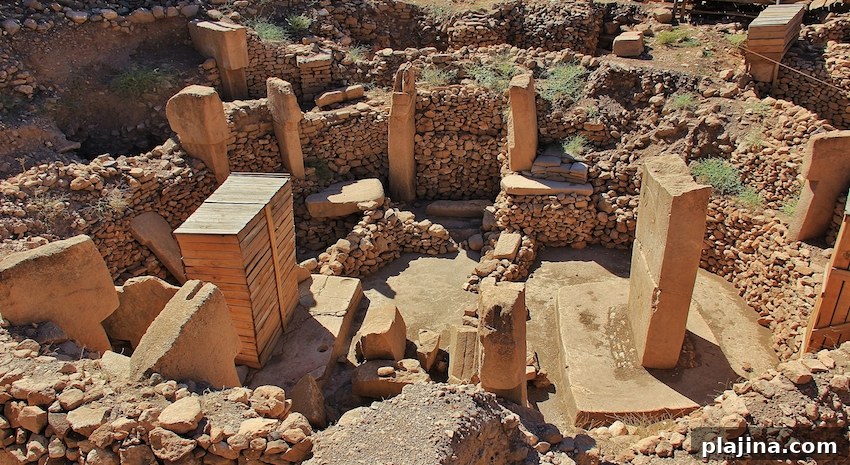
Located near Şanlıurfa in southeastern Turkey, Göbekli Tepe is widely regarded by archaeologists and researchers as one of the oldest known temple complexes in the world. Its monumental stone pillars and carved reliefs have transformed our understanding of prehistoric ritual life and social organization, making it essential viewing for anyone fascinated by archaeology and early civilizations.
Göbekli Tepe is just one highlight in a country rich with ancient monuments. Among Turkey’s other remarkable sites are the well-preserved Roman theater at Aspendos, the Bronze Age capital of the Hittite Empire at Hattusha, and the legendary city of Troy, immortalized in Homer’s epic The Iliad. These sites exemplify the long, multilayered history that spans Anatolia from the Neolithic through classical antiquity.
To deepen your exploration, Turkey’s museums house extensive collections that showcase artifacts from these and many other sites. Notable institutions include the Ankara Archaeological Museum, the Archaeological Museum of Aphrodisias, the Istanbul Archaeology Museums, the Pera Museum, and the Bodrum Museum of Underwater Archaeology. Together, they offer a comprehensive view of Anatolia’s cultural heritage, from prehistoric carvings and Hittite inscriptions to Roman sculpture and Byzantine mosaics.
Visiting Göbekli Tepe and these complementary attractions provides a vivid sense of how human societies in this region evolved over millennia—innovating new religious practices, urban forms, and artistic traditions that influenced civilizations across the ancient Near East and the Mediterranean.