
Gdańsk, Poland, founded in the 10th century, has long been shaped by its strategic position on the Baltic Sea. Throughout the late Middle Ages the city grew into an important port and trading center, later becoming part of the Teutonic State (1308–1457). Severely affected during World War II, Gdańsk has rebuilt into a thriving economic and cultural hub that remains underrated by many North American tourists.
The Main Town district contains numerous historic landmarks, including the Main Town Hall, parts of which date back to the Middle Ages. Recent renovation efforts have refreshed the area, making it particularly pleasant for walking tours. The waterfront has seen new bars, restaurants and shops, and the nearby Ołowianka island features revitalized granaries turned into trendy cultural and dining venues, giving the neighborhood a bohemian atmosphere.
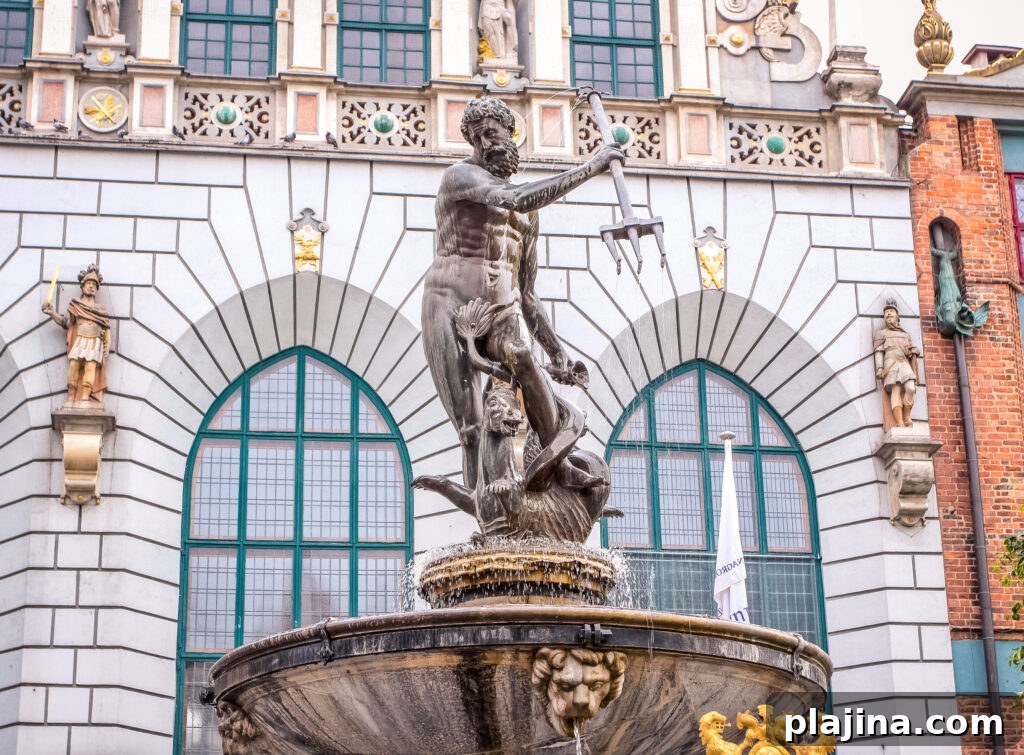
Neptune Fountain © Pawel Przybyszewski | Dreamstime.com
Old Town Gdańsk is home to the Neptune Fountain, a 17th-century bronze statue that has become a symbol of the city. The reconstructed medieval quarter showcases colorful merchant houses along cobblestone streets, with the Long Market running through the center and linking historic gates and fountains. Atmospheric cellar restaurants serve traditional pierogi and regional beers, while nearby museums display artifacts from the city’s Hanseatic League heritage. The boutique Hotel Podewils, situated in Old Town, offers a small number of well-appointed rooms and amenities such as a sauna and a terrace overlooking the Motława River, often earning praise as one of the city’s finest boutique stays.
Przymorze, Gdańsk’s modern seaside district, offers broad sandy beaches and contemporary residential developments. Built largely during the communist era, this planned neighborhood sits about 15 minutes from Old Town by car or public transport and features wide boulevards, green spaces and convenient access to both the coastline and central Gdańsk. Visitors to Przymorze can experience everyday Polish coastal life and popular seaside spots such as Jelitkowo Beach.
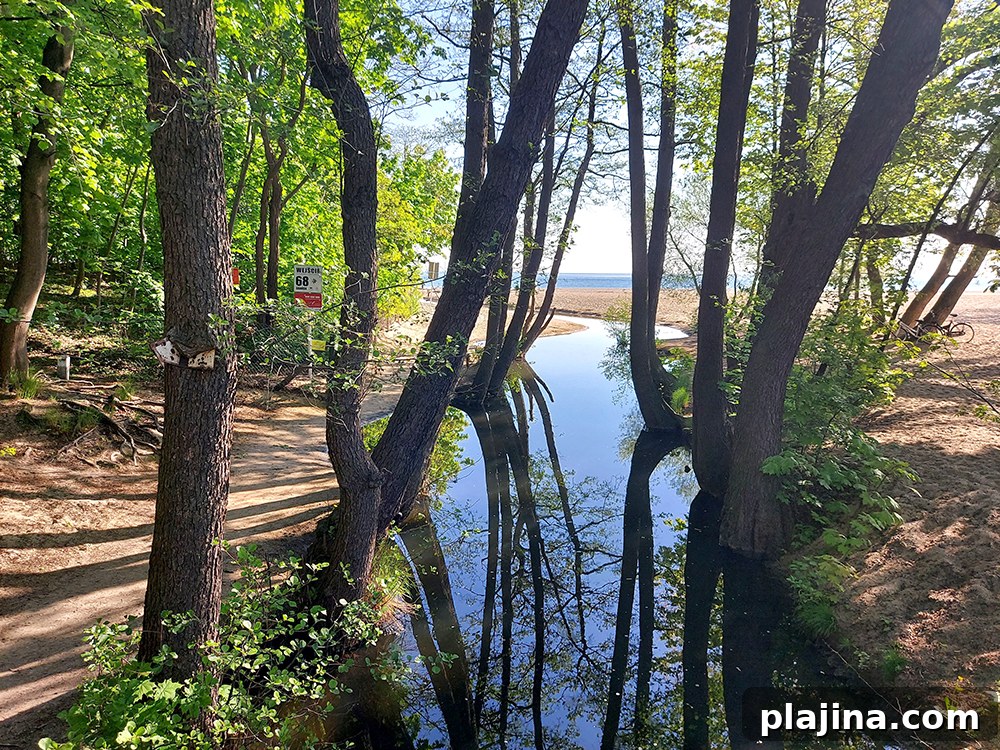
Oliwa Stream at Przymorze © VisitGdansk.com
Wrzeszcz, a lively neighborhood located about seven to eight minutes by car from Old Town, sits inland but offers a wide range of cultural and recreational options. Jaśkowa Valley Park hosts open-air concerts at the Teatr Leśny, while energetic football matches take place at Energa Stadium. Music and performing arts venues include the Baltic Opera for classical programs and the Stary Maneż arts center for contemporary and rock performances. Wrzeszcz is also a strong shopping destination, combining cultural attractions with a vibrant local atmosphere.
Whether you’re drawn to the historic charm of the Old Town, the waterfront energy of the Main Town and Ołowianka, the beachside calm of Przymorze, or the cultural buzz of Wrzeszcz, Gdańsk offers a diverse range of experiences that reflect its long history and modern revival. The city’s compact layout and efficient transport connections make it easy to explore multiple neighborhoods in a single visit, presenting a rich mix of architecture, cuisine and cultural life waiting to be discovered.