
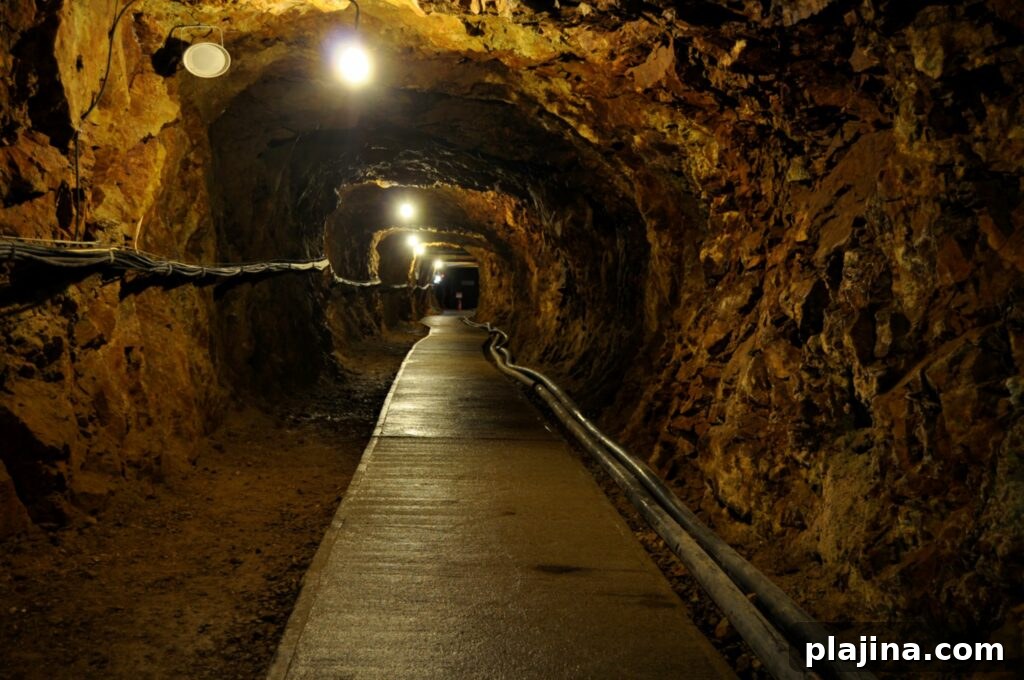
Japan offers many lesser-known destinations and distinctive experiences. One such place is Sado Island in Niigata Prefecture, a large island off the western coast of central Japan reachable by a two-hour ferry or jetfoil. Known historically as “The Island of Gold and Silver,” Sado was a major producer of precious metals from the early 17th century. Although the mines are no longer active, visitors can explore 400-year-old mining tunnels and try gold panning for a hands-on glimpse into that past.
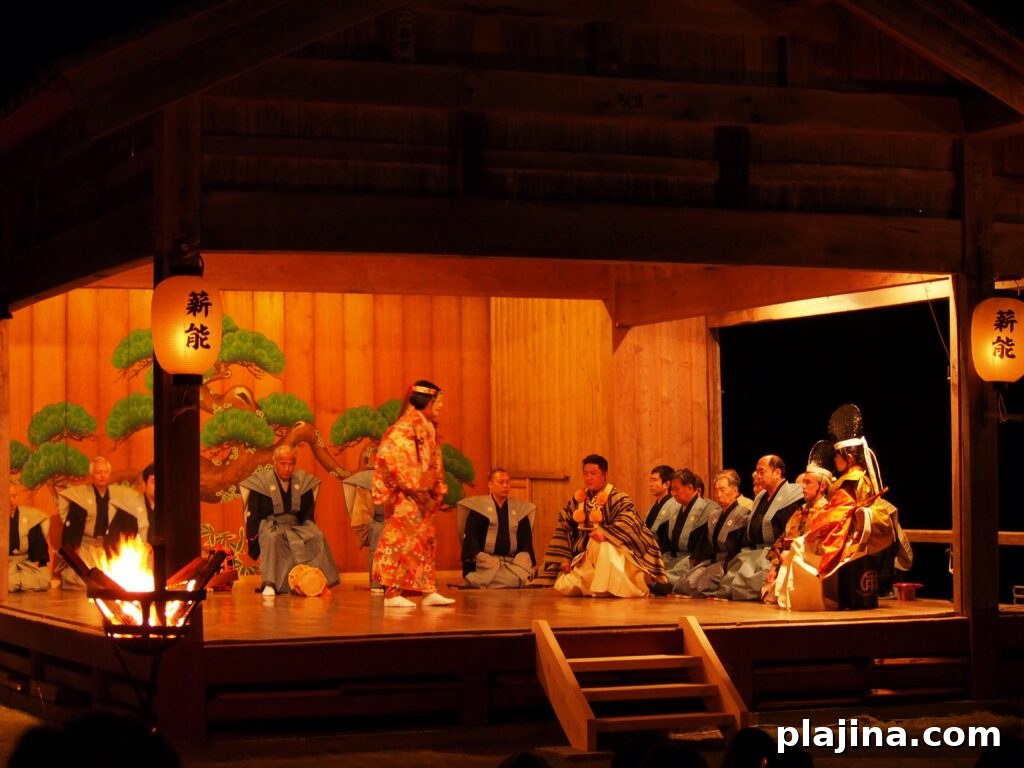
Sado also supports a vibrant arts scene rooted in traditional performance and local crafts. The island preserves classical Japanese theater traditions—forms that combine acting, dance and song and rank among the oldest continuously practiced theatrical arts in the world. In summer, five outdoor nighttime performances are staged at Suwa Shrine in Shiizaki on a specially lit open-air stage, creating an atmospheric cultural experience.
The Niibo Museum of History and Folklore documents and preserves the island’s material culture, displaying silk textiles, handcrafted dolls and archaeological finds that illustrate Sado’s artistic heritage and everyday life across centuries.
© Golden Sado Inc.
Beyond culture, Sado is rich in striking natural scenery that makes for memorable photos. The port village of Shukunegi is known for beaches formed from cooled, multicolored volcanic lava that contrast dramatically with the sea. Nearby Manjojiki features broad, flat lava surfaces that act like natural mirrors, reflecting sunsets and night skies with exceptional clarity.
Coastal erosion has carved scenic caves and grottoes along the shoreline. Ryuodo, often called “Sado’s Blue Grotto,” draws comparisons to the famed Capri grotto for its luminous waters and coastal formations. The small islands of Yajima and Kyojima, linked by a red bridge, offer short glass-bottom boat rides that let visitors view clear emerald waters and underwater features up close.
© JNTO
Agriculture on Sado emphasizes sustainability. The Iwakubi Shoryu rice fields practice environmentally friendly cultivation methods and supply rice and sake to restaurants across the island. The island’s rice is known for its quality and flavor. Visitors interested in local brews can sample offerings at Hokusetsu Sake Brewery, which pairs tastings with a relaxed, music-filled atmosphere that highlights the character of the island’s rice-based beverages.
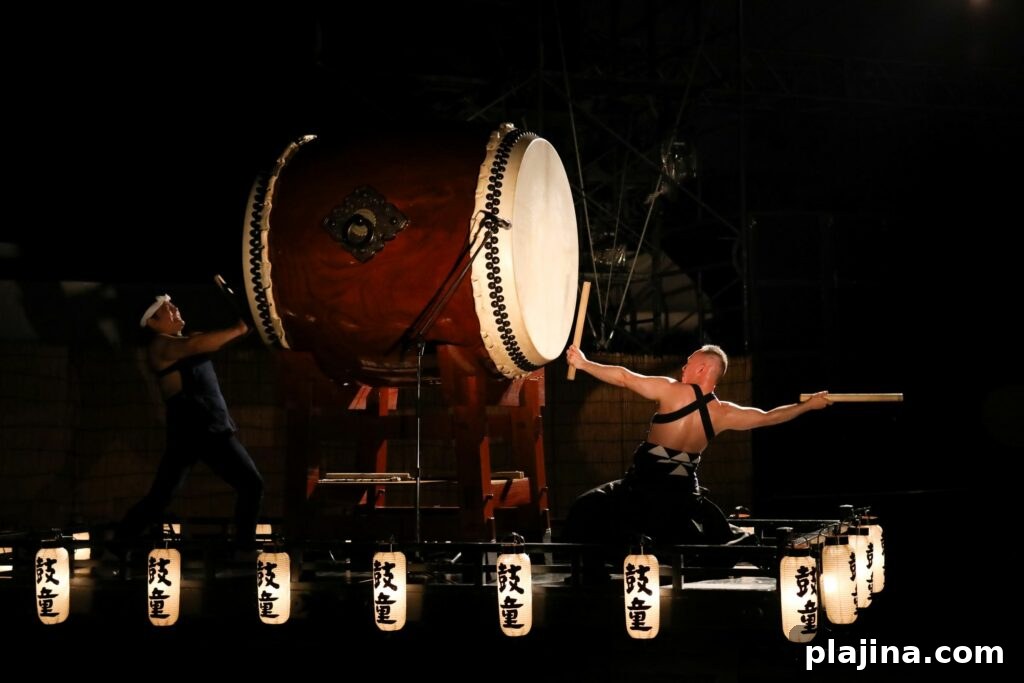
Sado also hosts lively cultural events. One notable gathering is the Earth Celebration Festival held in mid-August in the town of Ogi. The festival features powerful taiko performances, often highlighted by the internationally acclaimed drumming ensemble Kodo, and brings together musicians from around the world. Stalls offer local foods, handmade crafts and traditional attire, making the festival both a musical and cultural showcase.
Noh Theatre © JNTO
Whether you are drawn to historic mining sites, traditional theater, artisan crafts, dramatic coastal geology or sustainable agriculture and sake culture, Sado Island offers a diverse array of authentic experiences. Its combination of natural beauty and cultural depth makes it an appealing destination for travelers seeking something beyond Japan’s main tourist hubs.