
One of the most remote cities in North America, Anchorage sits at a crossroads of continents and is as distinctive as the glaciers and wildlife that surround it. Covering 1,706 square miles—an area larger than the state of Rhode Island—Anchorage is home to about 291,000 residents. Within the city limits lies a half‑million‑acre state park, giving visitors and locals easy access to outdoor pursuits such as biking, camping, horseback riding, off‑roading and snowmobiling.
Lake Hood, the world’s busiest seaplane base, is more than a regional curiosity: it serves as a critical supply hub and lifeline for remote oil camps, hunting outposts and fishing lodges that depend on charter flights for food, equipment and personnel. Most travelers, however, arrive via Ted Stevens Anchorage International Airport, which handles more than 5 million passengers each year and receives scheduled flights linking Asia to the west and Europe to the east, as well as regular service from U.S. hubs. Positioned nearly equidistant from Tokyo, Frankfurt and New York, the airport is also an important FedEx hub. Thanks to a Pacific marine influence, Anchorage enjoys relatively mild average temperatures for its latitude, making it a year‑round destination—particularly popular with cruise passengers in the warmer months.
In mid‑2022 Anchorage welcomed a new carrier, Northern Pacific Airways, which uses the city as a hub to connect Asia with the continental United States and offers stopover options that encourage passengers to explore Anchorage between flights.
The city’s hospitality scene is expanding with new and renovated properties and enhanced meeting facilities. Aloft Anchorage, a contemporary 146‑room boutique hotel with modern connectivity, a 24‑hour fitness center and a recharging pool, is expected to open soon. Meanwhile, Marriott Anchorage Downtown recently completed an extensive renovation that refreshed all 392 guestrooms, dining options and meeting space to better serve business and leisure travelers.
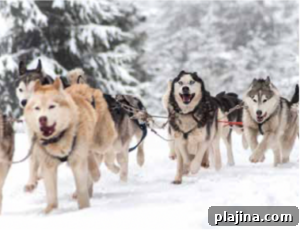
PHOTO: © SALAJEAN | DREAMSTIME.COM
The Iditarod Trail Sled Dog Race, perhaps Alaska’s best‑known event, marked its 50th anniversary while continuing to cover more than 1,000 miles of snowy terrain. The ceremonial start typically takes place in early March in downtown Anchorage, with the official start following near Willow. More than 50 teams usually contend in the race, and sleds commonly take eight to 14 days to reach Nome, depending on weather and trail conditions.
Anchorage is also developing a portion of Fourth Avenue into the Anchorage Mushing District, where permanent attractions will celebrate the sport and its famous dogs, including a designated Hall of Fame. This spring and summer are expected to be among the busiest tourism seasons in Anchorage history, with new airlines and expanded cruise service projected to bring nearly 1.6 million passengers to the city and the state.
SCENIC DRIVES
Roads leading out of Anchorage are limited—Alaska has only nine designated highways—but those who venture beyond the city will be rewarded with spectacular scenery and wildlife.
If you prefer not to drive, the Alaska Railroad offers a comfortable alternative. The famous route from Anchorage north to Denali National Park & Preserve provides views of Mount Denali, North America’s highest peak, and continues to Fairbanks with a stop in historic Talkeetna. Luxury domed rail cars offer panoramic views for wildlife spotting and river scenery, including salmon runs.
Heading south on Highway 1 (the Seward Highway) into Portage Valley along the Turnagain Arm of Cook Inlet brings opportunities to see beluga whales, soaring eagles, Dall sheep on mountain ledges and terns over the bay. Hike the Trail of Blue Ice, visit the Alaska Wildlife Conservation Center, and take a day cruise from Whittier on Prince William Sound to explore numerous glaciers and abundant marine life. Portage Glacier is another close‑up glacier experience in the area.
Alaska’s Glenn Highway leads north and east toward Eagle River and the glacier‑fed Eklutna Lake, where biking, kayaking and ATV rentals are popular. Two cultural and natural attractions are worth carving time out to visit: the Alaska Native Heritage Center offers immersive exhibits and guides showcasing indigenous art and traditions that predate Anchorage, and the Eagle River Nature Center provides trails and wildlife viewing suitable for a range of abilities. Those with more time can continue north on Highway 3 toward Denali National Park for further adventures.